Flower Color Meaning: What Every Shade Says
A practical colour-by-colour guide to choosing flowers by meaning, from red roses and white lilies to yellow tulips, purple lisianthus, and blue hydrangeas.
Start with the message, then choose the shade
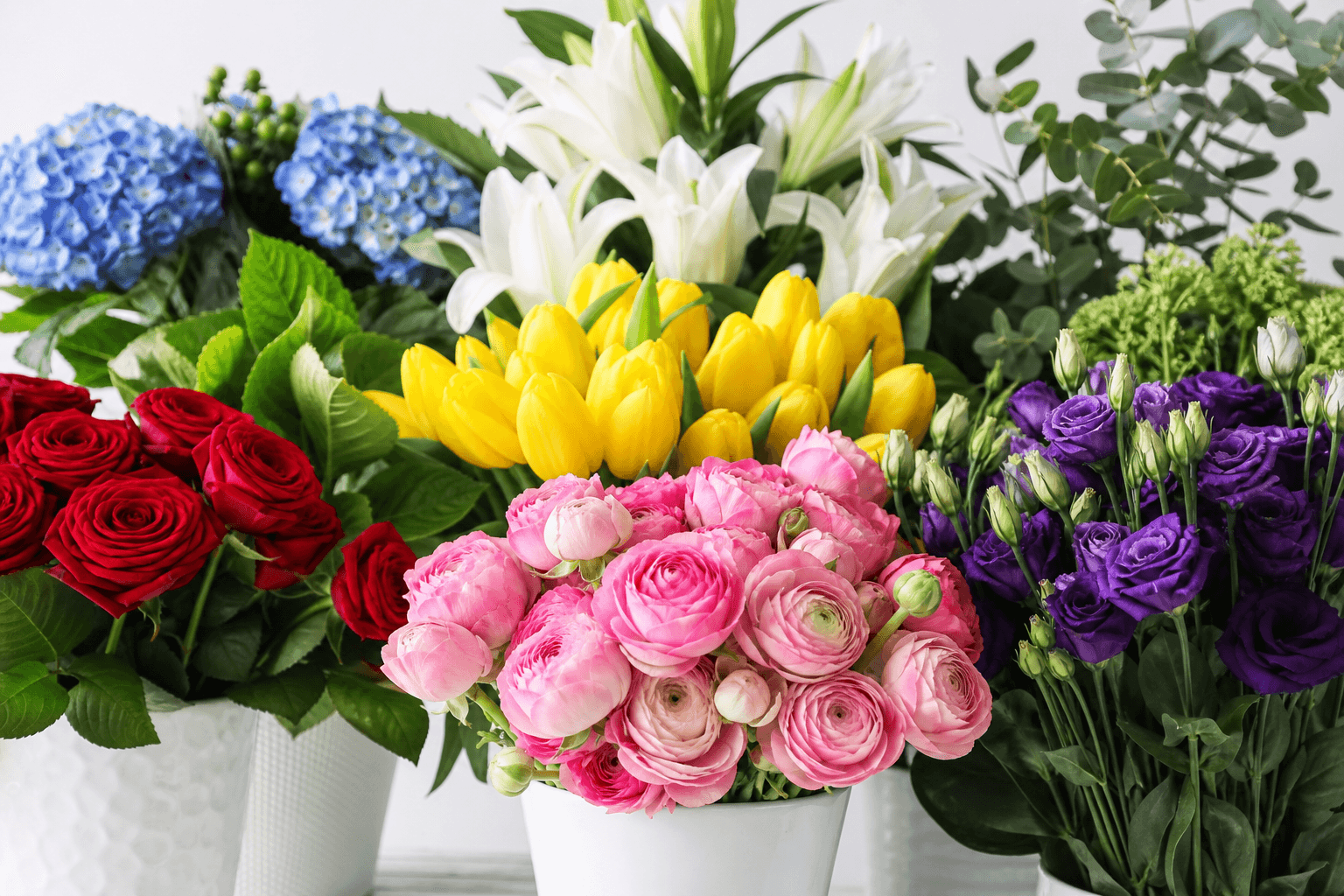
Flower color meaning is a simple way to make a bouquet feel intentional: red usually says love, pink says affection, white says respect or peace, yellow says cheer, purple says admiration, and blue says calm. The flower still matters, too. A red rose feels romantic, while a red gerbera daisy feels bright and celebratory. A white lily can feel solemn at a service, while white tulips can look clean and modern for a new home. Use colour as the first signal, then let the flower type and occasion refine the message.
For Canadian flower delivery, the practical side matters as much as the symbolism. Flowers on Demand delivers across AB, BC, MB, NB, NL, NS, ON, PE, QC, SK, NT, NU and YT through local florists who arrange and hand-deliver. Same-day delivery is available Monday to Saturday when the order is placed by 1:00 PM in the recipient's local time, with no Sunday delivery. Delivery is a flat $19.99 CAD, and prices are in Canadian dollars. If a florist is short a specific stem, a similar substitution of equal value and style may be used.
Flower color meaning for love: red, pink and burgundy
Red flowers are the clearest romantic choice. Red roses, tulips, carnations, ranunculus and gerbera daisies all carry warmth, attraction and commitment, but they do not all say it with the same volume. Roses are classic for anniversaries and Valentine's Day, while red tulips feel a little more understated and spring-like. Red gerberas are lively enough for a birthday when you want romance without formality. The common mistake is thinking red always has to be serious; the flower shape and bouquet style can make it passionate, playful or polished.
Pink flowers are softer: gratitude, tenderness, admiration and happiness. The pink flower meaning changes with depth. Pale pink roses or lisianthus suit thank-you flowers, new babies and gentle sympathy. Hot pink gerberas or lilies feel energetic and confident for birthdays or congratulations. Burgundy flowers sit between red and purple, with a richer mood that suits mature romance, winter bouquets and dramatic centrepieces. If red feels too direct for a new relationship, pink is usually safer. If pink feels too sweet, burgundy flowers add depth.
Yellow, orange and coral for joy, energy and warmth
The yellow flower meaning is friendship, optimism and welcome. Yellow roses, tulips, sunflowers, lilies and chrysanthemums are useful when you want to brighten a hospital room, send birthday flowers, thank a host or lift someone's week. Older etiquette sometimes linked yellow roses with jealousy, but that is not how most people read them now. Today, yellow usually feels cheerful and open. Yellow flowers are a strong choice for spring, summer and get-well occasions, especially when paired with white, green or soft blue accents.
Orange flowers have more movement. Orange roses, spray roses, lilies, alstroemeria and gerberas suggest enthusiasm, confidence and celebration. They are good for promotions, graduations, housewarmings and milestone birthdays. Coral sits between pink and orange, so it carries warmth without the intensity of true orange. Coral flowers are especially useful when you want something friendly, fresh and not too romantic. For a fall delivery in Ontario, Manitoba or Saskatchewan, orange and coral can feel seasonal; in spring, the same shades can look lively and tropical.
White, cream and green for peace, respect and fresh starts
The white flower meaning is peace, remembrance, sincerity and clean beginnings. White lilies, roses, mums, carnations, orchids and tulips are common in funeral-sympathy arrangements because they feel respectful without being loud. That does not mean white is only for funerals. White tulips or roses can also suit weddings, new homes, winter birthdays and professional thank-you gifts. The occasion, vase style and greenery decide the tone. A formal white lily arrangement feels solemn; a loose white tulip bouquet feels simple and fresh.
White flowers can look crisp, but cream is warmer and less stark. Cream flowers, such as ivory roses, pale carnations and soft lisianthus, are helpful when pure white feels too cold. Green brings renewal, balance and a natural garden feel. Green flowers may include hydrangeas, chrysanthemums, bells of Ireland, green trick dianthus or fresh foliage-heavy designs. Green is rarely the whole message on its own; it supports other colours and makes a bouquet feel calm, grounded and less formal.
Purple and blue for admiration, calm and something distinctive
The purple flower meaning is admiration, dignity, creativity and a little drama. Purple lisianthus, irises, stock, roses, carnations and alstroemeria can suit birthdays, sympathy, congratulations and thank-you gifts. Deep purple feels formal and elegant, while lavender reads softer and more comforting. Purple flowers are useful when red feels too romantic and pink feels too sweet. They are also good for someone with strong personal style, because purple stands out without needing a loud mix of colours.
The blue flower meaning is calm, trust and thoughtfulness, though true blue flowers are less common than people expect. Blue hydrangeas, delphinium, iris and dyed or tinted stems may appear depending on season and florist availability. Blue flowers work well for sympathy, get-well wishes, new babies, birthdays and peaceful home arrangements. The main rule is to be flexible. If exact blue hydrangeas are not available in a recipient's city, a local florist may substitute similar value and style, often using purple, white or green to keep the arrangement cool-toned.
Choosing colours by occasion
For birthday flowers, start with the recipient's personality rather than a strict rule. Yellow, orange, coral and hot pink feel bright and celebratory. Purple works for someone who likes richer colour, while white and green suit someone who prefers simple, modern arrangements. For milestone birthdays, deeper shades such as burgundy, plum or strong red can make the bouquet feel more grown-up. For younger or more casual recipients, gerberas, tulips, alstroemeria and mixed seasonal flowers usually feel warmer than a formal rose-heavy design.
For love-romance, red is still the most direct choice, but it is not the only useful one. Pink works for affection, apologies and early relationships. Burgundy feels serious and elegant. White with red can suggest commitment, while cream with blush feels intimate without being showy. For sympathy, white, cream, green, pale pink, lavender and blue are usually safer than bright orange or hot pink unless the family asked for colourful flowers. When in doubt, choose a softer palette and let the card message carry the personal detail.
How delivery and substitutions affect colour choices
Colour choice can depend on season, province and what a local florist can source that day. A florist in Vancouver may have different market options than one in St. John's, Yellowknife, Winnipeg or Halifax. Hydrangeas, tulips, peonies and certain roses are more seasonal than hardy choices such as carnations, chrysanthemums, alstroemeria and many lilies. If the exact stem shown is unavailable, substitution is normal in the flower industry. The goal is to keep the same value, size, general style and colour feeling, not to force a weak stem into an arrangement.
If the colour meaning is essential, make that clear in the product choice and card message. For example, if you need white for a sympathy arrangement, choose a white or cream design rather than a mixed pastel bouquet. If you need cheerful yellow for a birthday, choose a yellow-focused arrangement and order before 1:00 PM in the recipient's local time for same-day delivery, Monday to Saturday. There is no Sunday delivery, so order ahead for weekend services or Monday birthdays. The flat delivery fee is $19.99 CAD anywhere Flowers on Demand serves in Canada.
Common questions
- What flower colour is best for sympathy?
- White, cream, green, pale pink, lavender and blue are usually the safest sympathy colours. They feel peaceful and respectful without drawing attention away from the message. Bright colours can be appropriate if the family requested a celebration-of-life style or the person loved bold flowers.
- Do flower colour meanings change by flower type?
- Yes. Colour gives the first impression, but the flower type changes the tone. A red rose is romantic, a red tulip is warm and elegant, and a red gerbera daisy feels cheerful and less formal.
- What colour flowers should I send for a birthday?
- Yellow, orange, coral, pink and purple are all strong birthday choices. Choose bright shades for an upbeat message, or softer pink, cream and green for someone with quieter taste. If you know the recipient's favourite colour, that matters more than traditional symbolism.
Arrangements to send
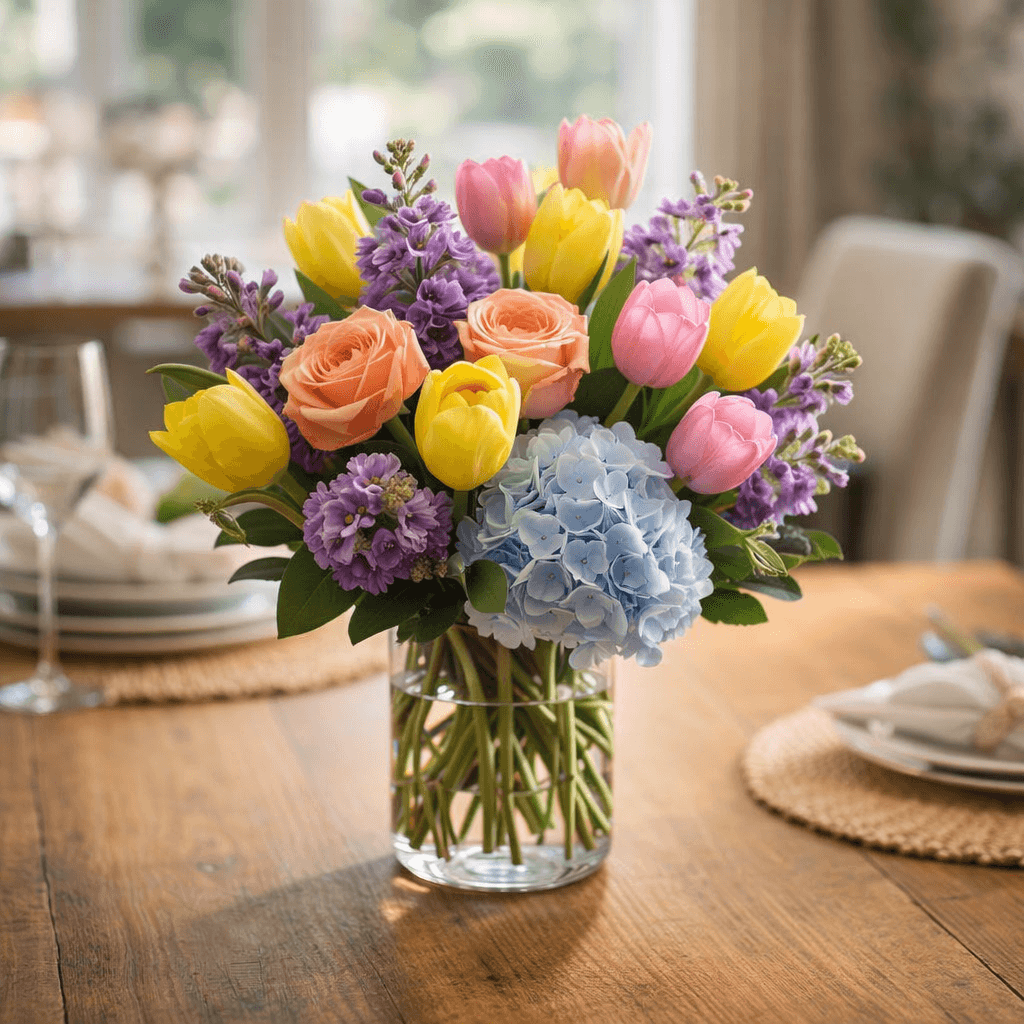
Happy Birthday Balloon Bouquet
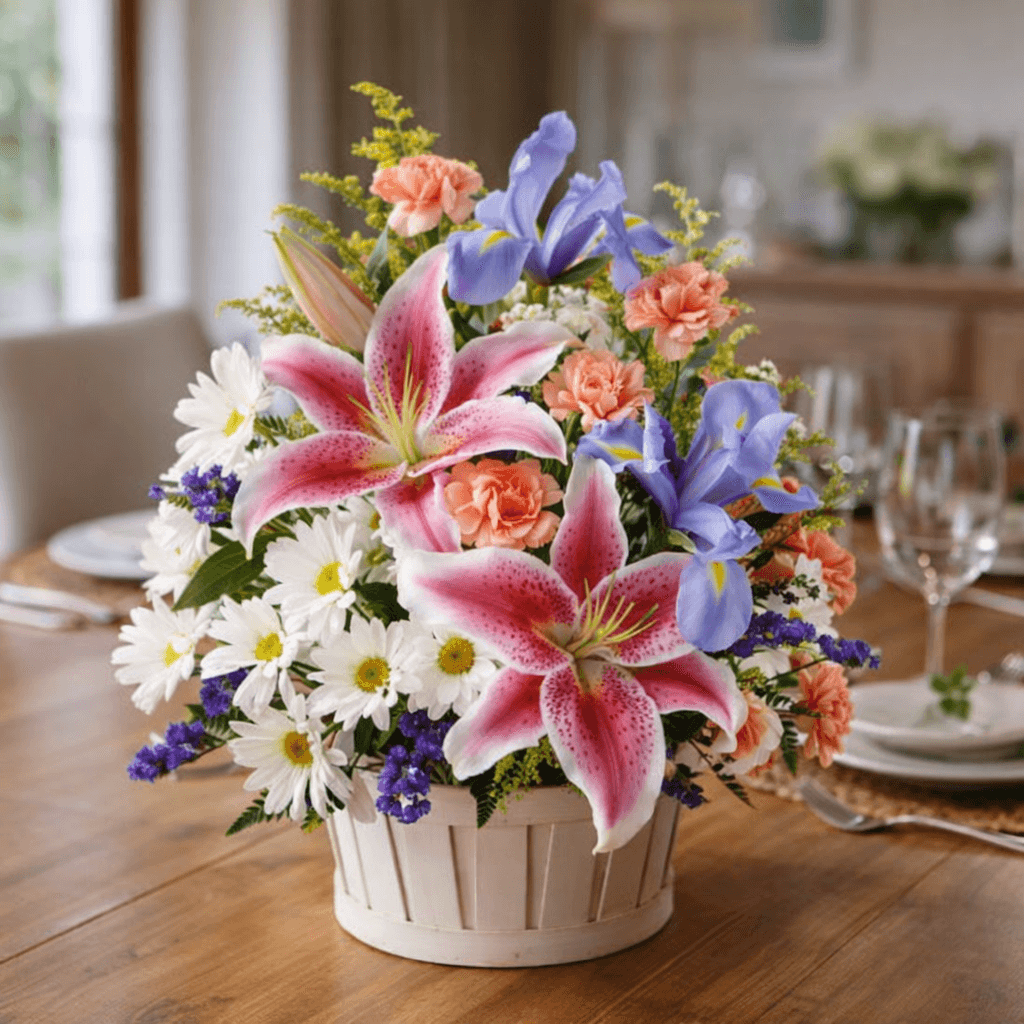
The Wondrous Nature Bouquet
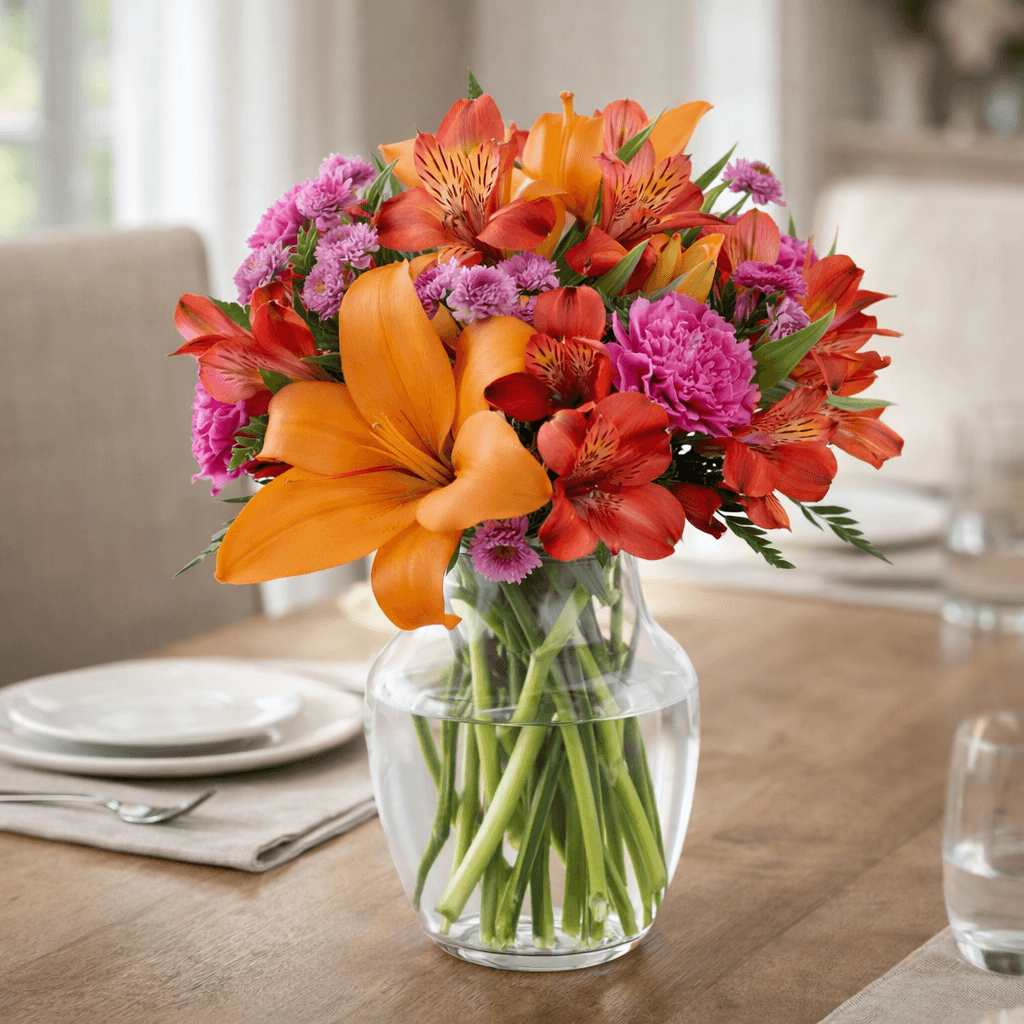
The Light of My Life Bouquet
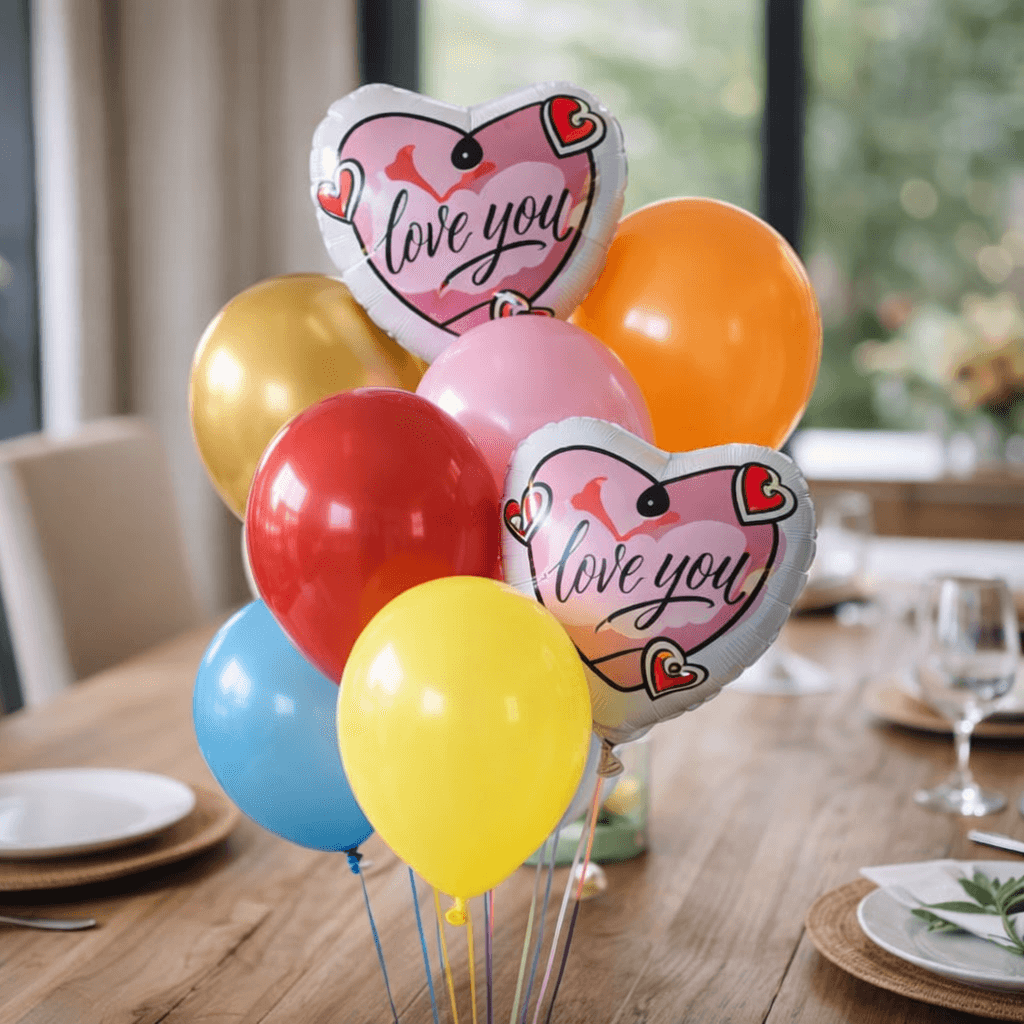
I Love You Balloon Bouquet
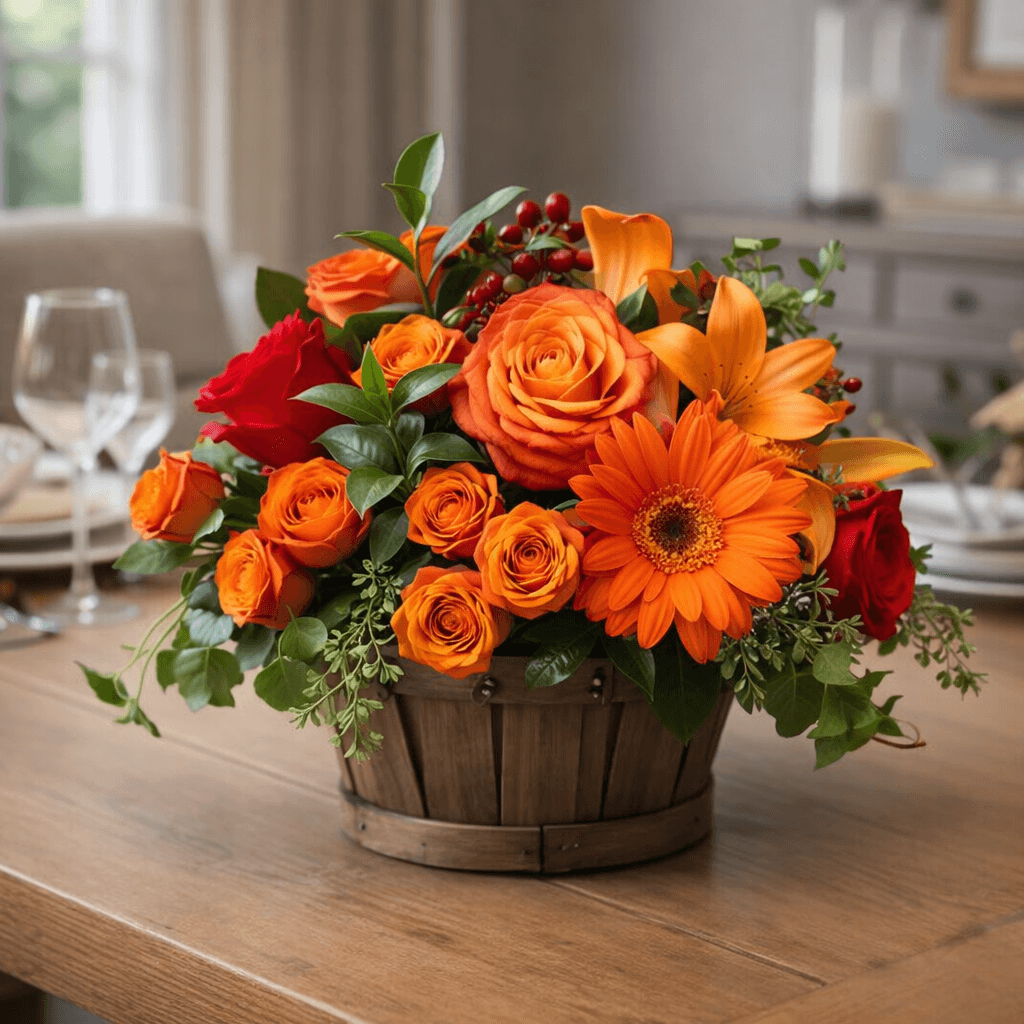
Nature's Bounty Bouquet