Flower Vases: How to Choose the Right Vase for Every Bouquet
A florist’s practical guide to matching vase height, opening width and material to real bouquets, from roses and tulips to table centrepieces and single stems.
As an Amazon Associate, Flowers on Demand earns from qualifying purchases. Links to Amazon.ca in this article are affiliate links: if you buy through one we may earn a small commission, at no extra cost to you.
Start with stem length, not the vase aisle
The right flower vase is the one that holds the stems upright without crowding the blooms or swallowing the arrangement. As a rule, choose a vase that is about one-half to two-thirds the height of the flowers after trimming. Long-stemmed roses, lilies and tulips usually need a taller shape; short carnations, ranunculus, spray roses and gerbera daisies sit better in something lower. If the bouquet is already tied by a florist, do not untie it until you know the vase mouth is wide enough.
The common mistake is buying a big flower vase with a very wide opening because it looks generous on a shelf. Loose stems then fall to the outside, leaving a hole in the middle. A vase flower arrangement needs support at the neck as much as water at the bottom. If you only own one vase, pick a clear cylinder with a moderate opening rather than a dramatic hourglass or flared shape. It will handle more everyday bouquets and will not force you to cut stems shorter than you want.
Flower vase shapes florists reach for most
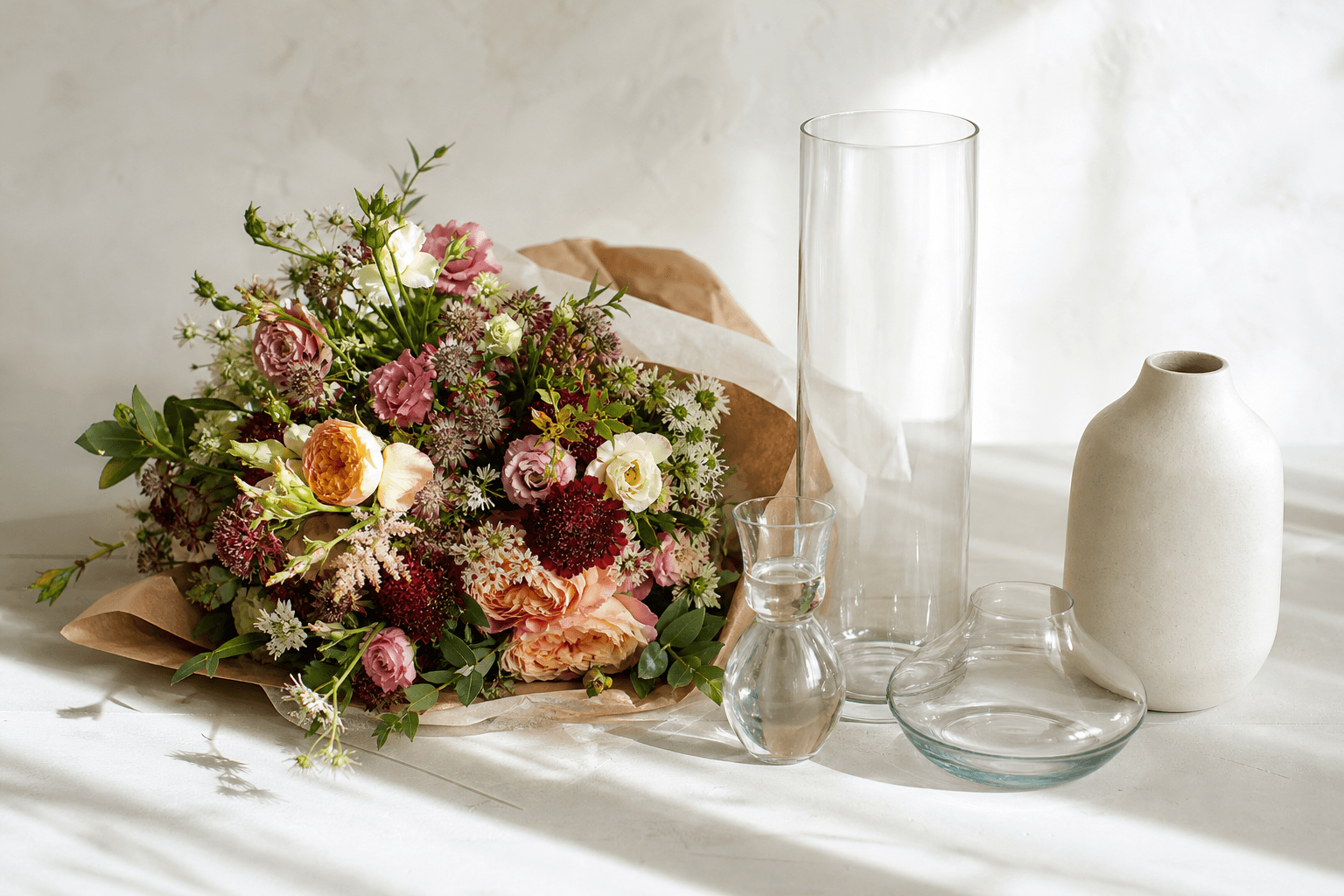
A straight cylinder is the workhorse flower vase. It supports long stems evenly, keeps a dozen roses from leaning, and gives tulips room to continue growing in the vase. For long-stemmed roses, lilies, branches or tall tulips, a tall clear cylinder vase is useful because the sides are straight and the height suits larger stems. If you are sending flowers and do not want the recipient to find a vase, our vased arrangements are made by local florists and arrive already in a vase.
Bud vases do the opposite job. They make one to three stems look deliberate instead of lonely, which is useful for leftover blooms, bedside tables and small apartments. A set of small clear bud vases suits windowsills, party tables and single stems. For dining tables, low and wide vessels are better because guests can see over them; a low wide cylinder vase works for short-stemmed blooms, floating flowers and simple centerpieces.
Glass, ceramic and crystal each change the look
A glass flower vase is practical because you can see the water level, the stem ends and any cloudy film that needs cleaning. Plain clear glass shows everything, which is beautiful with fresh green stems but less forgiving after a few days. If you like glass but do not want every stem and water line on display, a ribbed glass vase is a good compromise. The ribbing softens the view of stems and slightly cloudy water without making the arrangement feel heavy.
A ceramic flower vase hides stems and water lines, so it is useful for loose garden-style bunches, dried stems and flowers with untidy lower foliage. A small white ceramic vase suits people who prefer a clean, opaque look and do not want to see the mechanics. A crystal flower vase can be lovely for formal roses or white lilies, but weight and narrow necks matter. If the vase is hard to lift, empty and scrub, it may be used less often than a simpler glass or ceramic piece.
Match size to bouquet weight and bloom size
A small flower vase is not only for small flowers. It is also for compact, heavy-headed flowers such as ranunculus, spray roses, anemones and short tulips. The vase should feel heavy enough that the arrangement will not tip when the blooms open. For a rose-heavy gift such as Rose Classique ($89.95 CAD), think about neck support first: if you arrange similar stems at home, use a cylinder that lets the roses rest together rather than splay out. Red, pink and white roses all look cleaner when the stems are gathered.
A large flower vase or tall flower vase earns its space when stems are long, woody or top-heavy. Lilies, delphinium, gladiolus, sunflowers and branches need height at the sides and enough water volume at the base. For a fuller bouquet such as The Independence Bouquet ($79.95 CAD), avoid a narrow bud vase even if the stems technically fit. The flowers need shoulder room at the top, while the stems still need a firm hold near the neck.
How to place a flower in a vase without fighting it
Before putting any flower in vase water, strip leaves that will sit below the water line. Leaves rot quickly under water and make the vase smell before the flowers are finished. Cut stems on an angle with clean snips or a sharp knife, then place them into room-temperature water with flower food if you have it. When arranging a flower in a vase, turn the vase as you work instead of building only from the front. That habit gives the arrangement a better shape from a kitchen table, desk or hospital room side table.
If stems will not stay where you put them, use a simple mechanic rather than cutting everything shorter. Clear waterproof tape can make a grid across the mouth of a glass vase; clear floral tape is meant for this job and is hard to see on clear glass. For low bowls, round pin flower frogs hold stems upright at an angle. These tools are especially helpful for loose garden-style flowers, where a perfect tight dome would look wrong.
Keep the vase clean enough for flowers to last
Vase life is often lost in the vase, not in the bouquet. A cloudy ring, slippery bottom or greenish smell means bacteria have built up on the glass or ceramic surface. Rinsing is not the same as cleaning. Tall and narrow vases are the worst for this because a sponge cannot reach the bottom; a long bottle brush helps scrub out the film that shortens flower life. Wash the vase between uses, and wash it again if it has been sitting with old water.
Change the water every one to two days, especially for tulips, hydrangeas, stock and mixed bouquets with soft stems. Recut the stems slightly each time so they can drink through fresh tissue. If you keep flowers in the house often, fresh-cut flower food packets are handy because one packet can be used with a water change. Do not add pennies, bleach splashes or crushed aspirin as a home remedy. Clean water, clean tools and the right amount of flower food are more dependable.
Sending flowers when you do not know their vase
If you are sending flowers across Canada and you do not know what the recipient owns, choose a florist-arranged option instead of loose stems. Flowers on Demand delivers across AB, BC, MB, NB, NL, NS, ON, PE, QC, SK, NT, NU and YT through a network of local florists who arrange and hand-deliver. A design such as Silver Elegance Centerpiece ($79.95 CAD) makes sense for a table, while centerpieces stay low enough for conversation.
Delivery is a flat $19.99 CAD, and prices are in Canadian dollars. Same-day delivery is available Monday to Saturday when the order is placed by 1:00 PM in the recipient’s local time; there is no Sunday delivery. Because each order is filled by a local florist, substitutions can happen when a specific stem is short that day. The replacement should be similar in value and style, which is normal in the flower industry and usually a better choice than forcing tired flowers into an arrangement.
Common questions
- What size flower vase do I need for a dozen roses?
- Use a tall vase that is roughly one-half to two-thirds the height of the trimmed roses. A straight cylinder usually works better than a flared vase because it keeps the stems gathered and the rose heads supported.
- Is glass or ceramic better for fresh flowers?
- Glass is easier to monitor because you can see the water level and when the vase needs cleaning. Ceramic hides stems and cloudy water, which can look tidier, but you still need to wash it thoroughly between arrangements.
- How often should I clean a flower vase?
- Clean the vase before every new bouquet, and change the water every one to two days while flowers are in it. If the inside feels slippery or smells stale, scrub it with a brush rather than only rinsing.
Arrangements to send
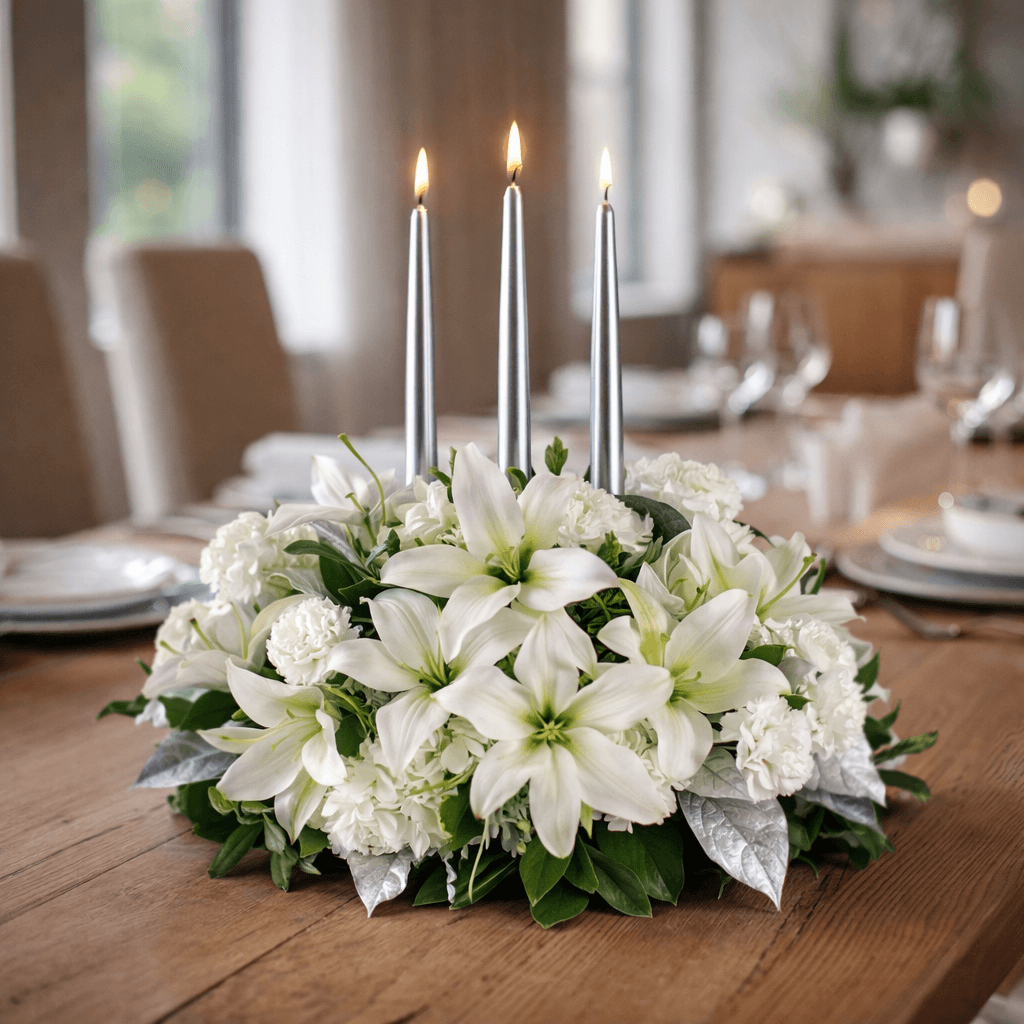
Silver Elegance Centerpiece
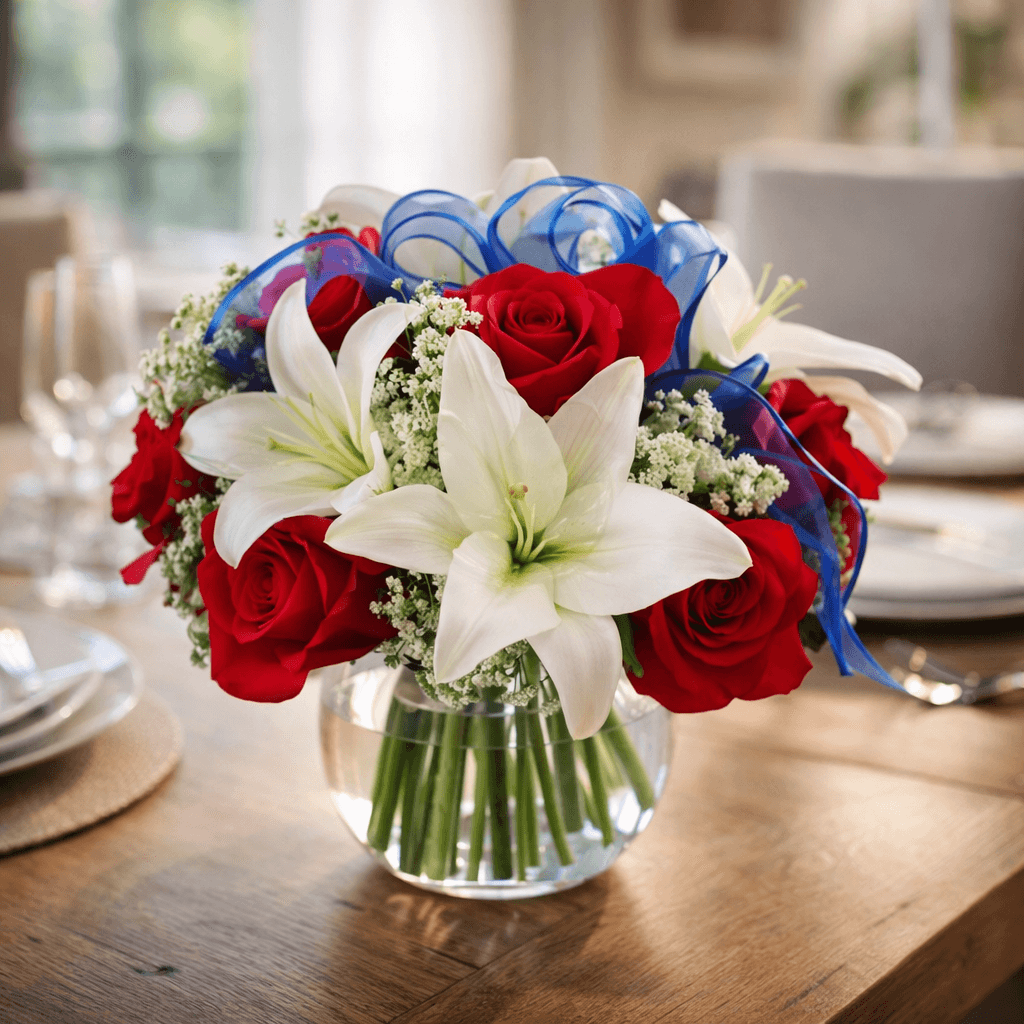
The Independence Bouquet
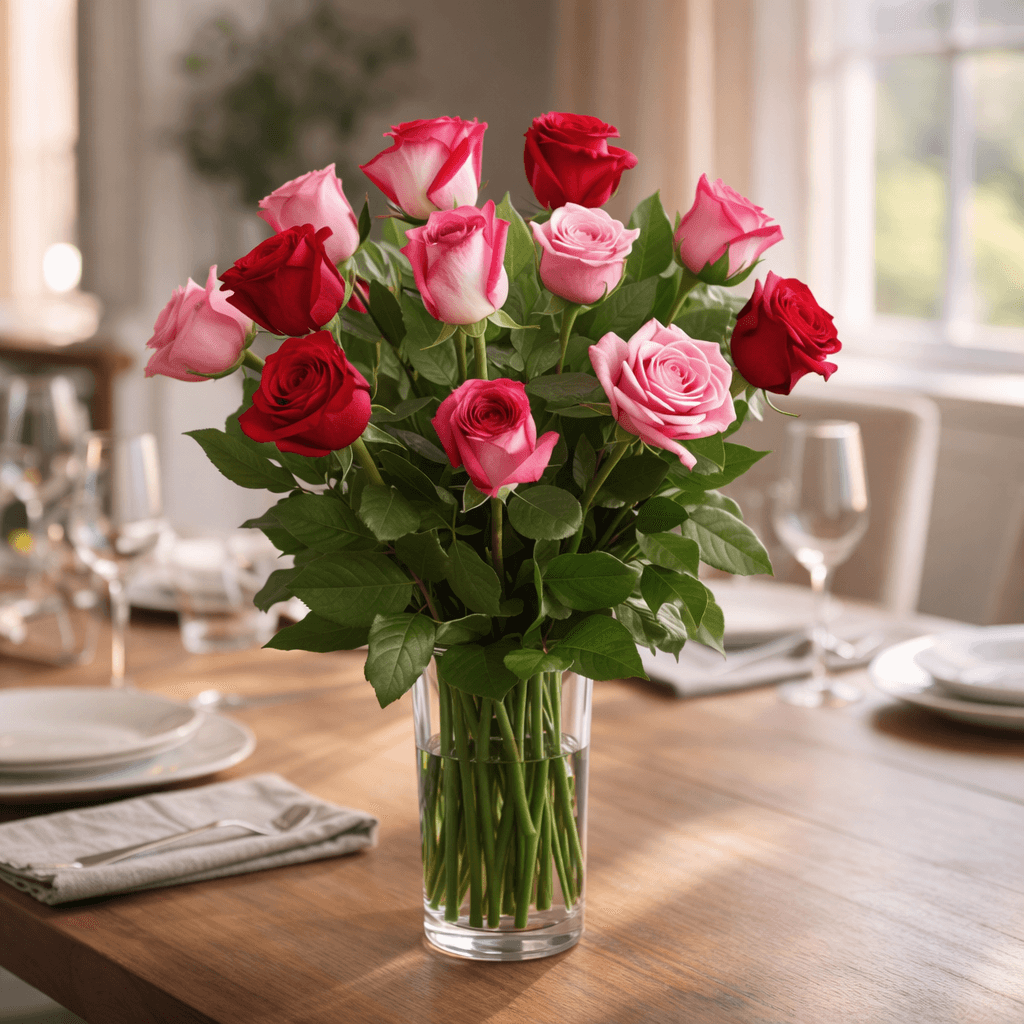
The True Romance Rose Bouquet
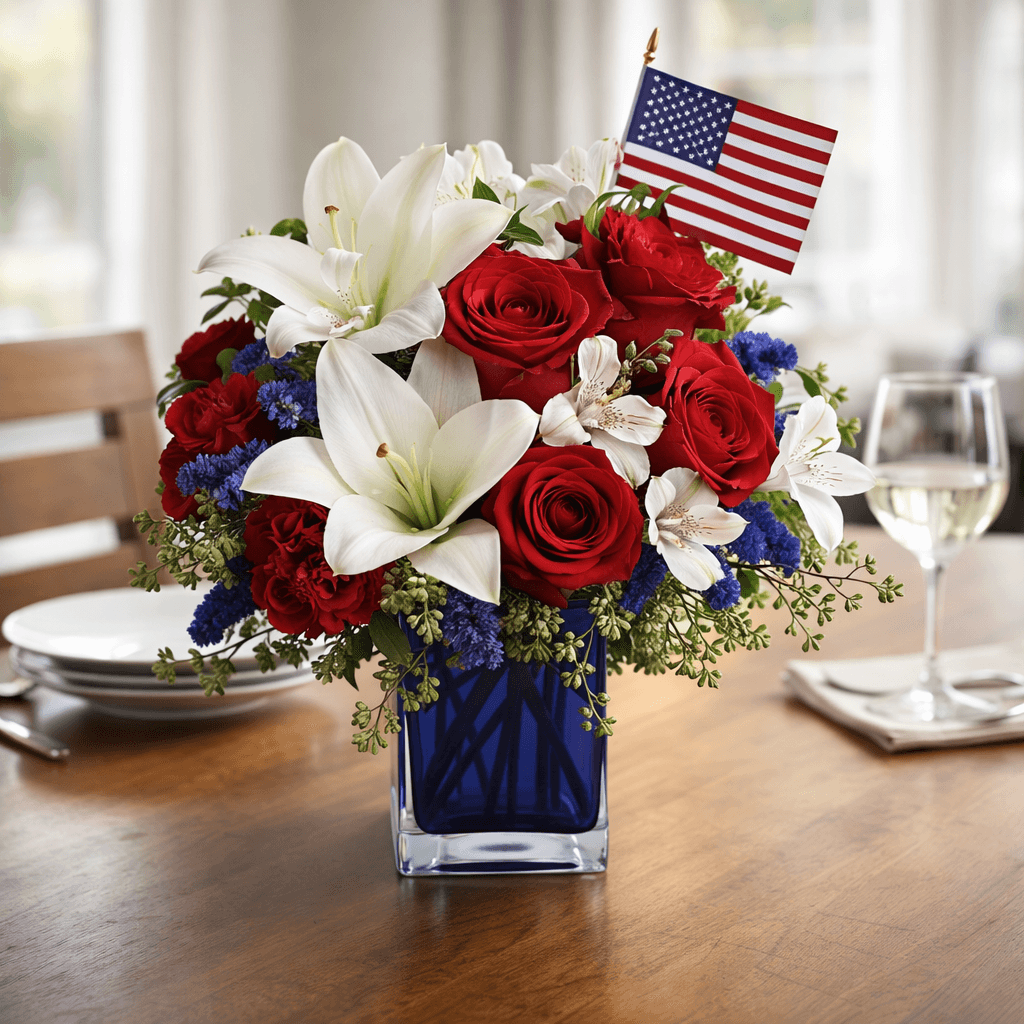
America the Beautiful
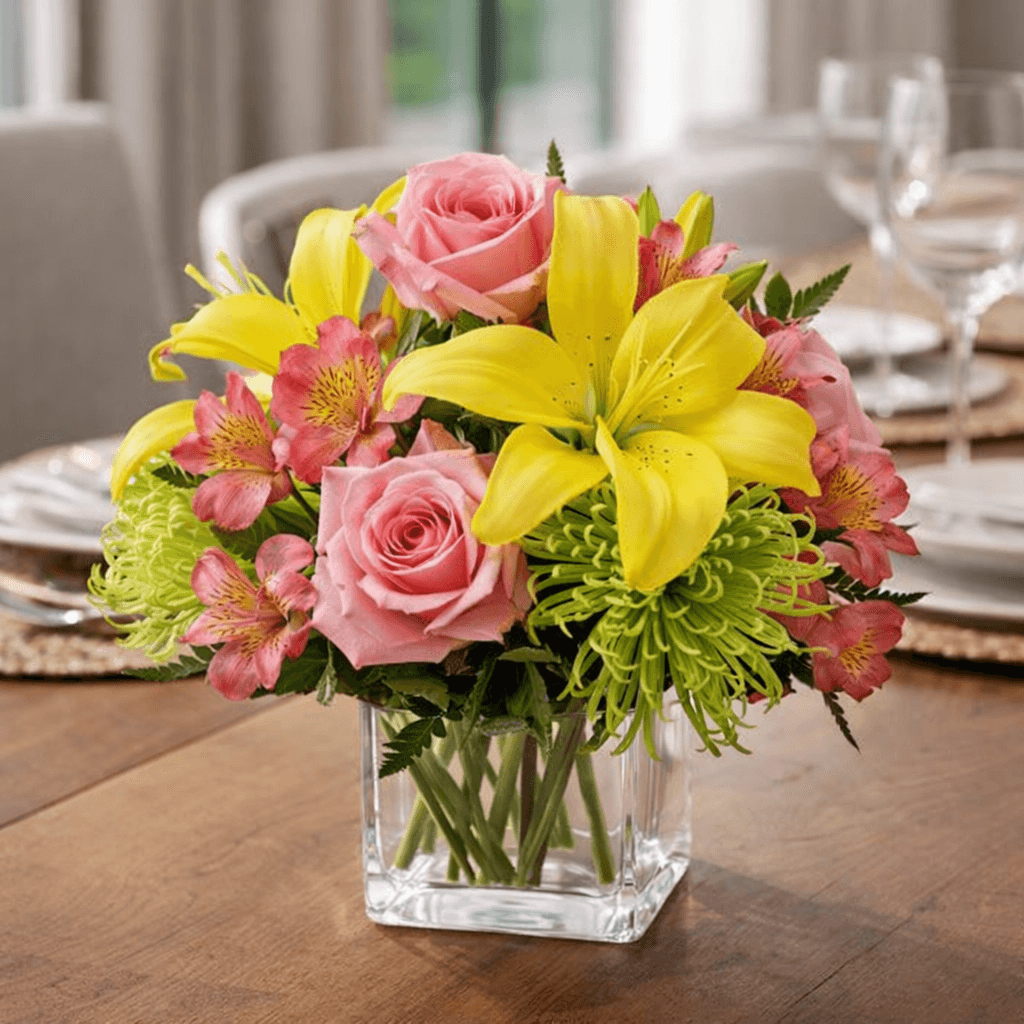
The "Well Done" Bouquet
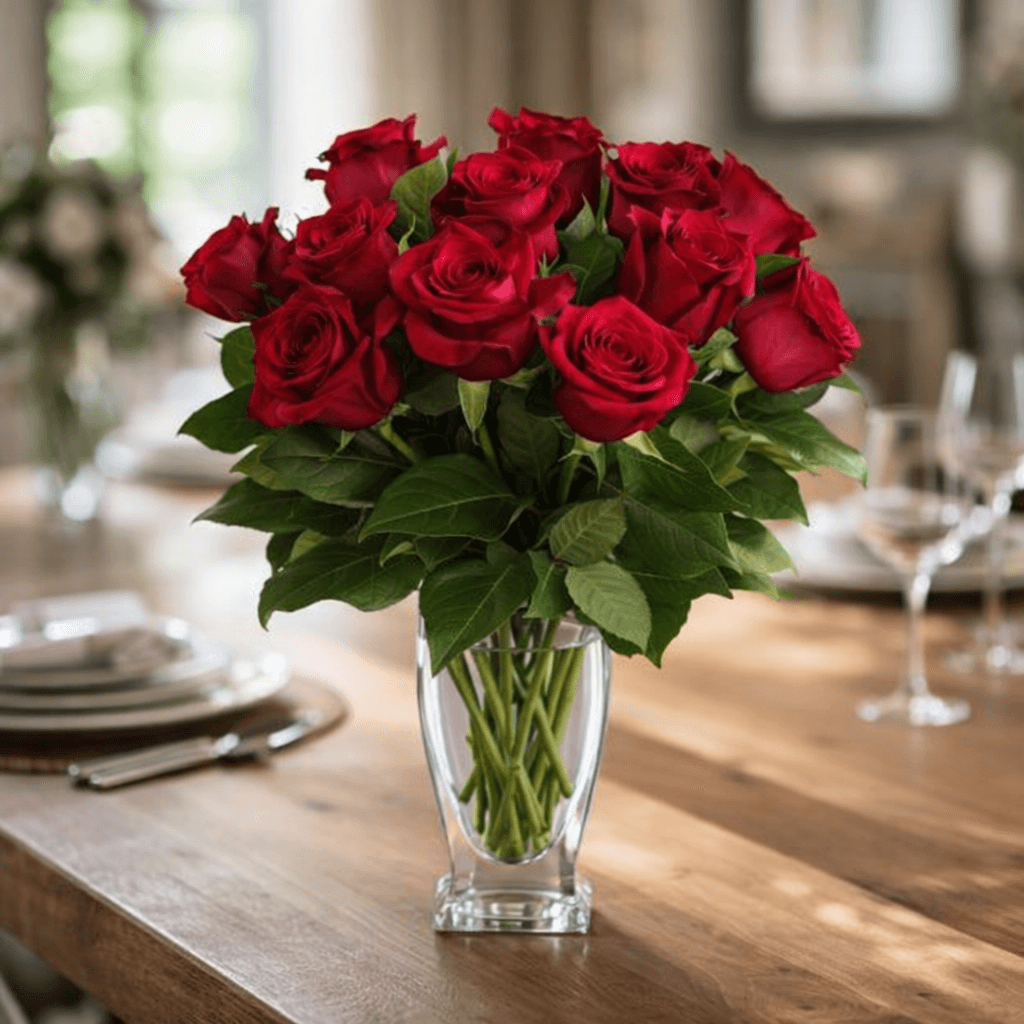
Rose Classique
Keep exploring
Shop these arrangements
More from the blog
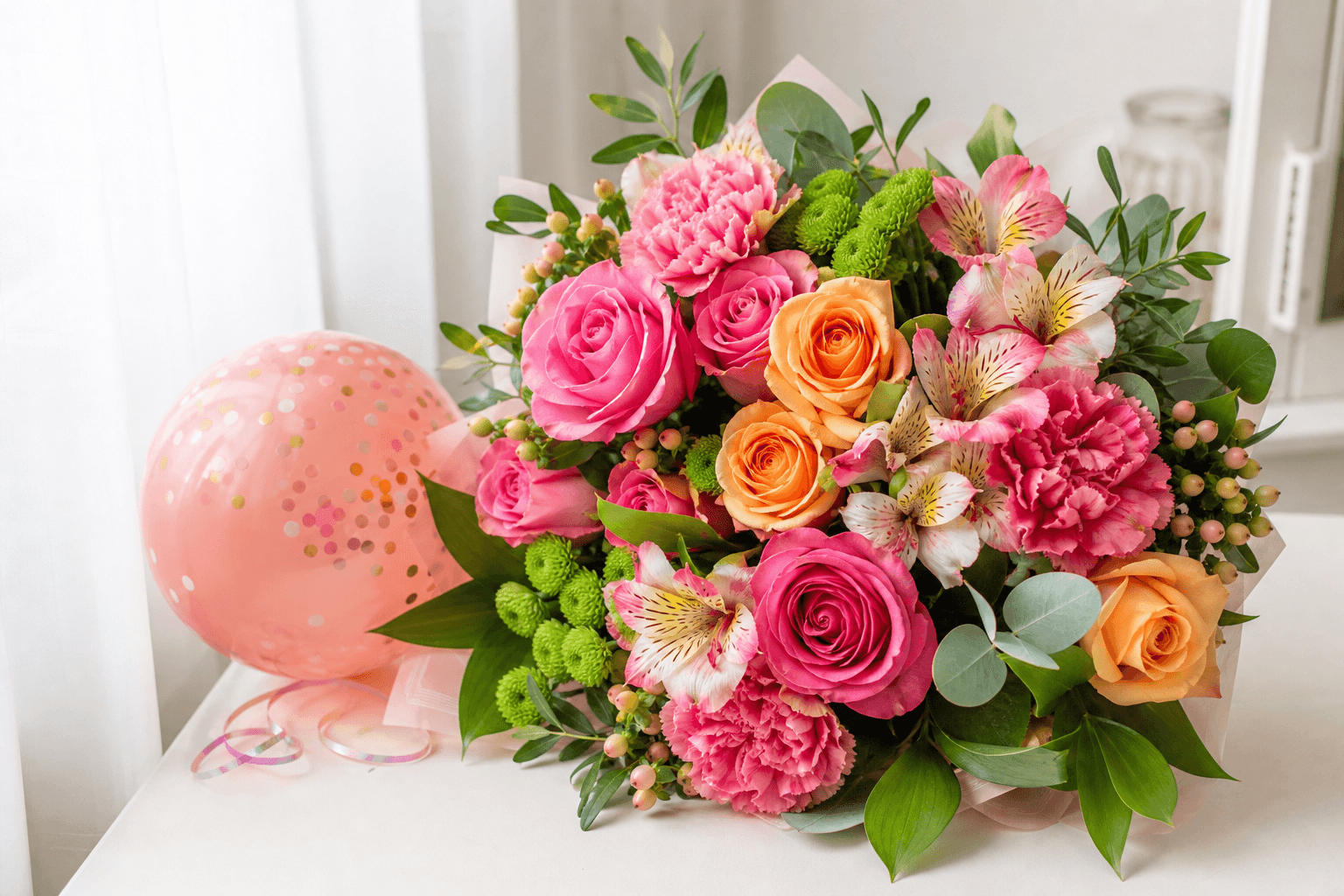
Choosing a Birthday Bouquet of Flowers: What to Send and What It Costs
A practical guide to choosing birthday flowers by recipient, age and budget. Includes real arrangement names, Canadian prices, delivery notes, and when a vase or balloons make more sense.
What Kind of Flowers for Funeral Services in Canada
Funeral flowers are chosen by relationship, service setting, and where the arrangement will be delivered. This guide explains casket sprays, standing sprays, baskets, urn flowers, plants, colours, timing, and card wording.
What to Send When Someone Dies Instead of Flowers
If a family asks for no flowers, send something respectful, useful, or longer-lasting. Plants, fruit baskets, donations, meals, and handwritten notes are all good sympathy choices.