How to Choose Wedding Bouquet Flowers That Last All Day
A practical guide to bouquet shape, durable stems, colour planning, and how the bridal bouquet should connect with ceremony and reception flowers.
Start with shape, weather, and the walk down the aisle
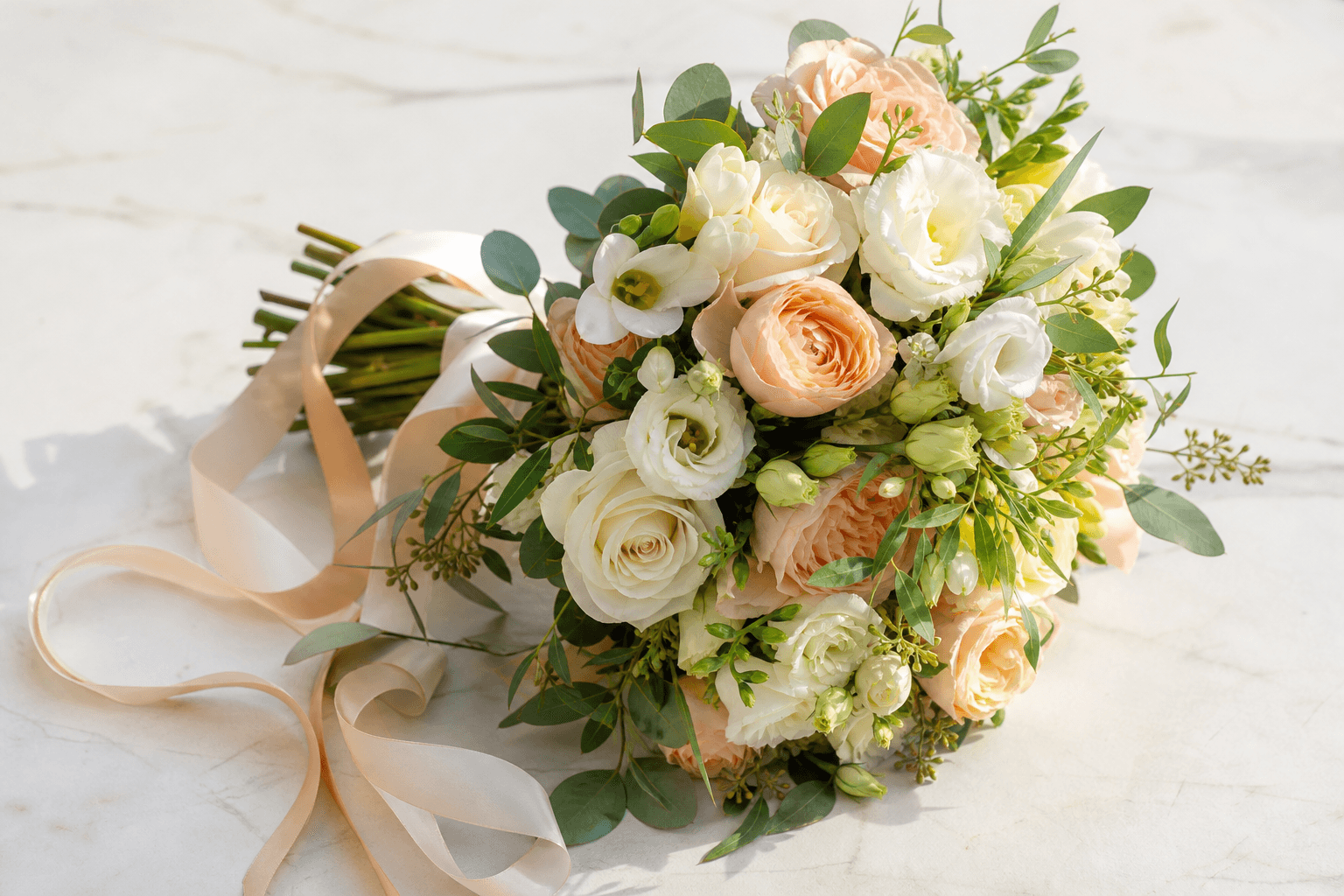
Choose wedding bouquet flowers by working backwards from the day: the dress silhouette, ceremony length, photo schedule, weather, and how much movement the bouquet will face. A tight round bouquet of roses and lisianthus behaves differently from a loose hand-tied bouquet with freesia, ranunculus, and trailing greenery. If the bouquet must last from noon portraits to a late reception, choose flowers with firm petals, conditioned stems, and enough water time before leaving the florist. The rule of thumb is simple: pick the look first, then remove any stem that cannot comfortably survive your longest gap without water.
The bouquet should also make sense beside the rest of the flowers, not compete with them. If the centrepieces are soft white and sage, a sudden hot-pink bouquet can look accidental unless that colour appears again in a ribbon, boutonniere, or altar arrangement. If the reception flowers are large and loose, the bouquet can be slightly more refined so it photographs clearly against the dress. Think of the bouquet as the closest flower piece to the couple, then let the ceremony and reception flowers echo its colour, texture, or one key stem.
Bouquet shapes that change how wedding bouquet flowers read
A round bouquet is the safest shape for classic wedding photos because the flowers face forward and the outline stays tidy. It suits roses, spray roses, lisianthus, carnations, and compact greenery. A posy is smaller and lighter, which helps for city hall weddings, elopements, and bridal parties who do not want to carry heavy flowers all day. A hand-tied bouquet is looser, with visible stems and a more garden-style finish. It gives space to delicate flowers, but it needs good construction so the shape does not spread open during portraits.
Cascade, crescent, and pageant bouquets are more dramatic and need stronger planning. A cascade can be beautiful with orchids, amaranthus, ivy, or trailing greens, but it can feel heavy and may hide dress details if scaled too large. A pageant bouquet rests along the arm, which suits calla lilies or long-stem roses, but it changes how the bride stands and poses. For ceremony pieces that are meant to face guests from one direction, one-sided designs make sense; for a carried bouquet, the flowers need to look good from several angles.
Stems that can handle a long wedding day
For a long day, start with flowers known for structure. Roses are dependable when properly conditioned, and they come in white, cream, blush, pink, red, peach, mauve, and many two-tone varieties. Spray roses add smaller blooms without making the bouquet bulky. Lisianthus gives a soft, romantic look but has firmer stems than many people expect. Carnations are often unfairly dismissed; in the right colour and grouped well, they hold up beautifully and can add ruffled texture at a lower price point.
More delicate stems can still work, but they need the right role. Freesia is fragrant and elegant, yet its small blooms are better as accents than as the main structure. Ranunculus has lovely layered petals, but the stems can bend, so it benefits from support inside a mixed bouquet. Hydrangea is water-hungry and risky for long outdoor gaps, especially in hot parts of BC, ON, or QC in summer. Tulips keep growing and turning toward light, which can change the bouquet shape between the morning and reception.
Use colour to connect the bouquet to the wedding
Colour should be chosen in daylight whenever possible, because white, ivory, cream, and blush are not interchangeable beside a dress. A pure white rose can look sharp and formal; ivory is warmer; blush softens the whole bouquet. If suits are navy or charcoal, pale flowers usually photograph clearly, while deep burgundy or plum may need lighter accents so the bouquet does not read as one dark shape. If you search for a bouquet of flowers wedding idea online, check whether the photo was shot in natural light or heavily filtered before copying the palette.
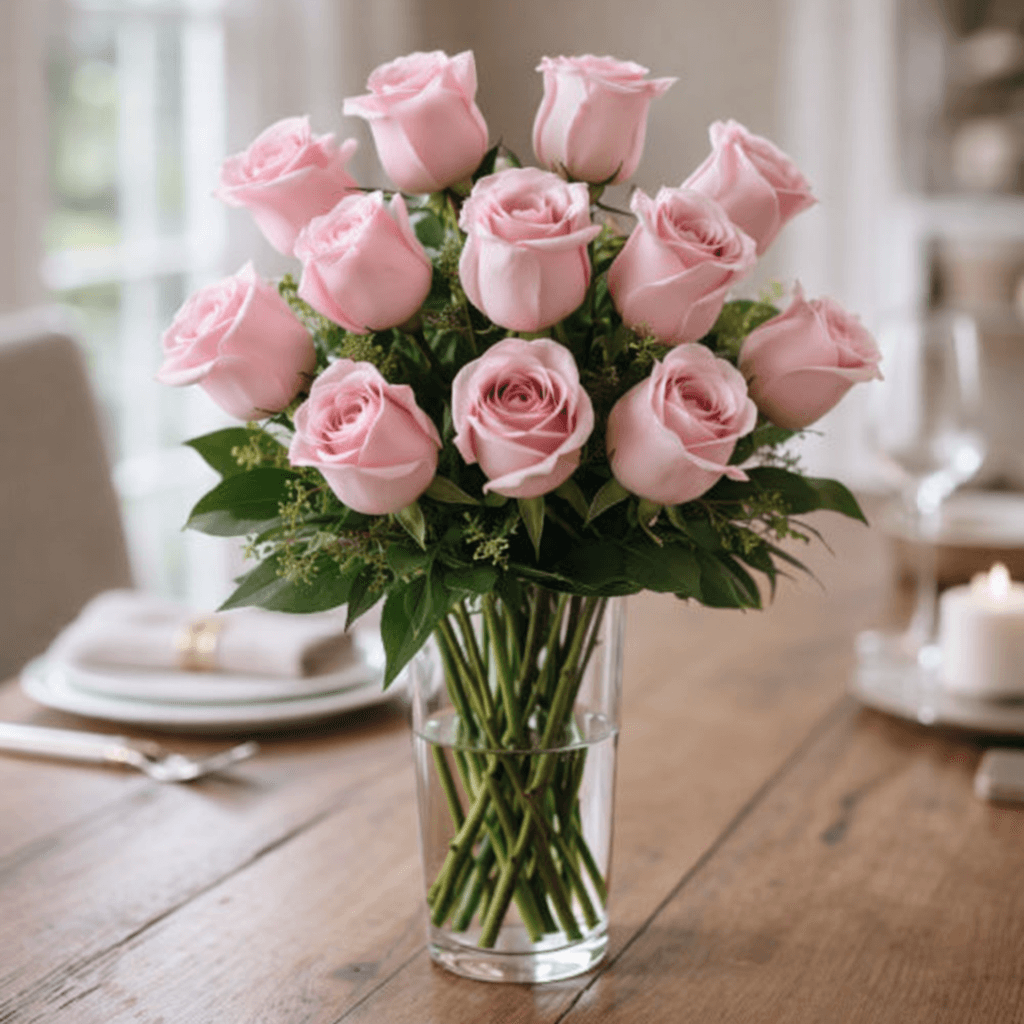
Looking at finished arrangements can help you name the mood before discussing a bridal bouquet. For a crisp white reference, The White Rose Bouquet at $89.95 CAD shows how simple roses can carry a formal look without many added textures. For a softer pink direction, The Pink Rose Bouquet at $89.95 CAD is useful inspiration for blush, rose, and romantic garden colours. These are not a substitute for planning the exact wedding piece, but they help make colour conversations concrete.
Let the rest of the flowers support the bouquet
The bridal bouquet does not need to contain every flower used at the wedding. In fact, that can make it too busy. A good approach is to choose two or three signature elements for the bouquet, then repeat them in smaller ways elsewhere. If the bouquet uses white roses, blush lisianthus, and eucalyptus, the boutonniere might use a spray rose and eucalyptus, while the centrepieces use roses and greenery without copying the bouquet stem for stem. Repetition makes the wedding feel planned; exact duplication can feel stiff and is often unnecessary.
Think about where each arrangement will be viewed from. Low reception tables need flowers that allow conversation, while entrance pieces can be taller and more sculptural. Vased arrangements are useful for gift tables, welcome tables, and smaller receptions because they arrive already arranged and in water. If you want a cheerful mixed-flower reference for a shower, signing table, or next-day brunch, Sweet Surprises Bouquet at $69.95 CAD shows how pink, yellow, and white can feel bright without becoming harsh.
Plan ordering, delivery, and substitutions in Canada
Flowers on Demand delivers flowers across Canada, including AB, BC, MB, NB, NL, NS, ON, PE, QC, SK, NT, NU, and YT. Orders are fulfilled through a network of local florists who arrange and hand-deliver flowers in the recipient’s area. That matters for freshness, but it also means availability can vary by city, province, and season. A florist in Winnipeg in February and a florist in Victoria in June may not have the same stems on hand, even when the requested style and colour story are clear.
Delivery is a flat $19.99 CAD, and prices are in Canadian dollars. Same-day delivery is available Monday to Saturday when the order is placed by 1:00 PM in the recipient’s local time; there is no Sunday delivery. For wedding work, same-day timing is usually too tight unless the flowers are for a small add-on, thank-you, or last-minute family arrangement. Substitutions of similar value and style can happen when a local florist is short a specific stem. That is normal in the industry, and it is better to approve a suitable substitute than force a weak flower into an important bouquet.
Think about the bouquet after the ceremony too
If you want to keep the bouquet, say so before the wedding day, because preservation starts with flower choices and timing. Roses, carnations, lisianthus, and some greenery usually preserve more predictably than very fleshy, water-heavy flowers. White flowers often dry cream or tan, while red and burgundy flowers can deepen. Bruising that barely shows during the ceremony may become obvious once petals are dried or pressed. If preservation matters, keep the bouquet out of direct sun, return it to water whenever possible, and avoid tossing the actual bouquet.
Many couples use a smaller toss bouquet so the main bouquet can be saved. After photos, remove any soaked ribbon, blot wet stems, and place the bouquet somewhere cool and upright until you can start pressing, drying, or sending it to a preservation service. Do not seal fresh flowers in a plastic bag for hours, because trapped moisture encourages mould. A common mistake is waiting until after the honeymoon to decide. By then, the bouquet may still be sentimental, but the flowers are often too wilted for the cleanest result.
Common questions
- How to press wedding bouquet flowers?
- Choose the freshest blooms from the bouquet as soon as possible, ideally the same day or next morning. Remove thick centres if needed, place petals or smaller flower heads between clean absorbent paper, and press them under heavy books or in a flower press for two to four weeks. Change damp paper after the first day if the flowers are very moist, and expect colours to dry darker or softer than they looked fresh.
- How to preserve wedding bouquet flowers?
- The main options are air drying, pressing, silica gel drying, resin work, or professional preservation such as freeze-drying. Start quickly, keep the bouquet cool, and avoid direct sun, fruit bowls, and sealed plastic bags. Air drying keeps more of the bouquet shape, pressing is best for framed flat keepsakes, and silica gel usually holds petal shape and colour better than hanging alone.
Arrangements to send
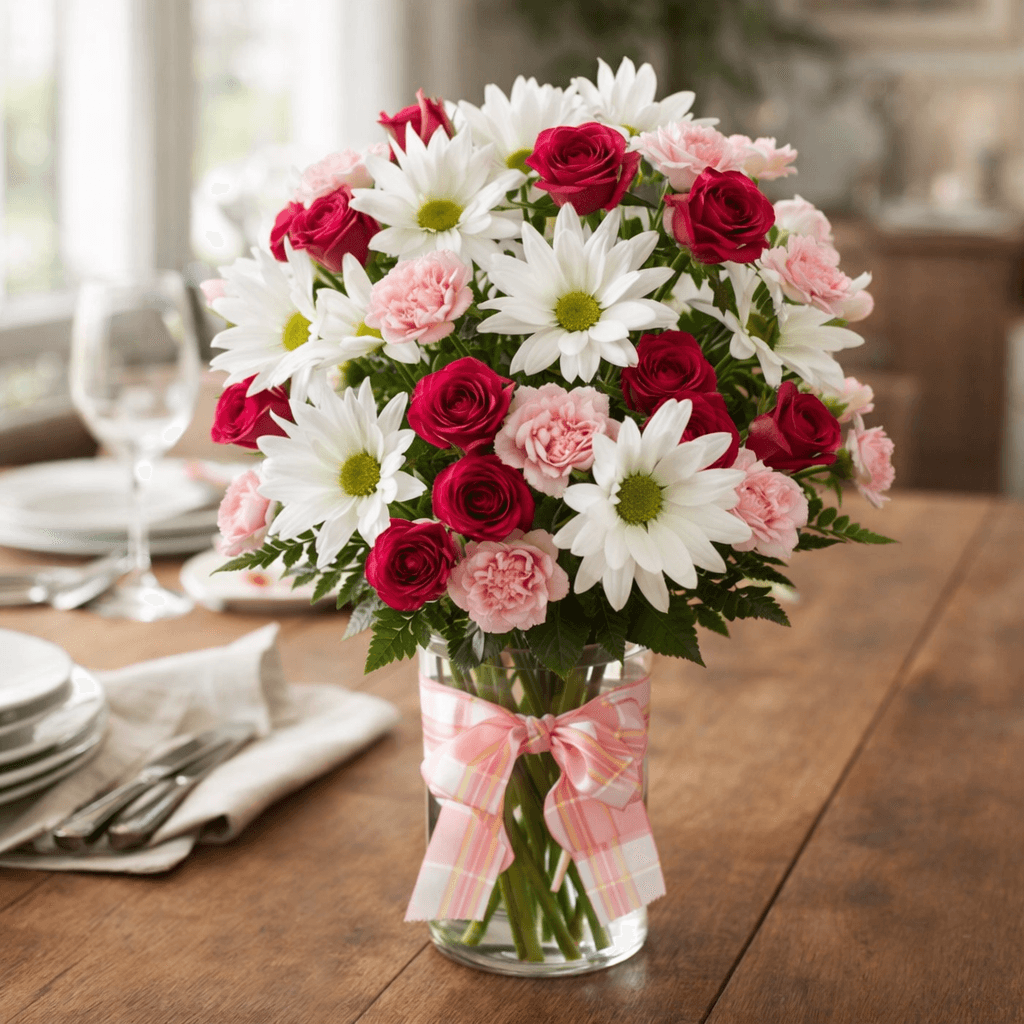
Sweet Surprises Bouquet
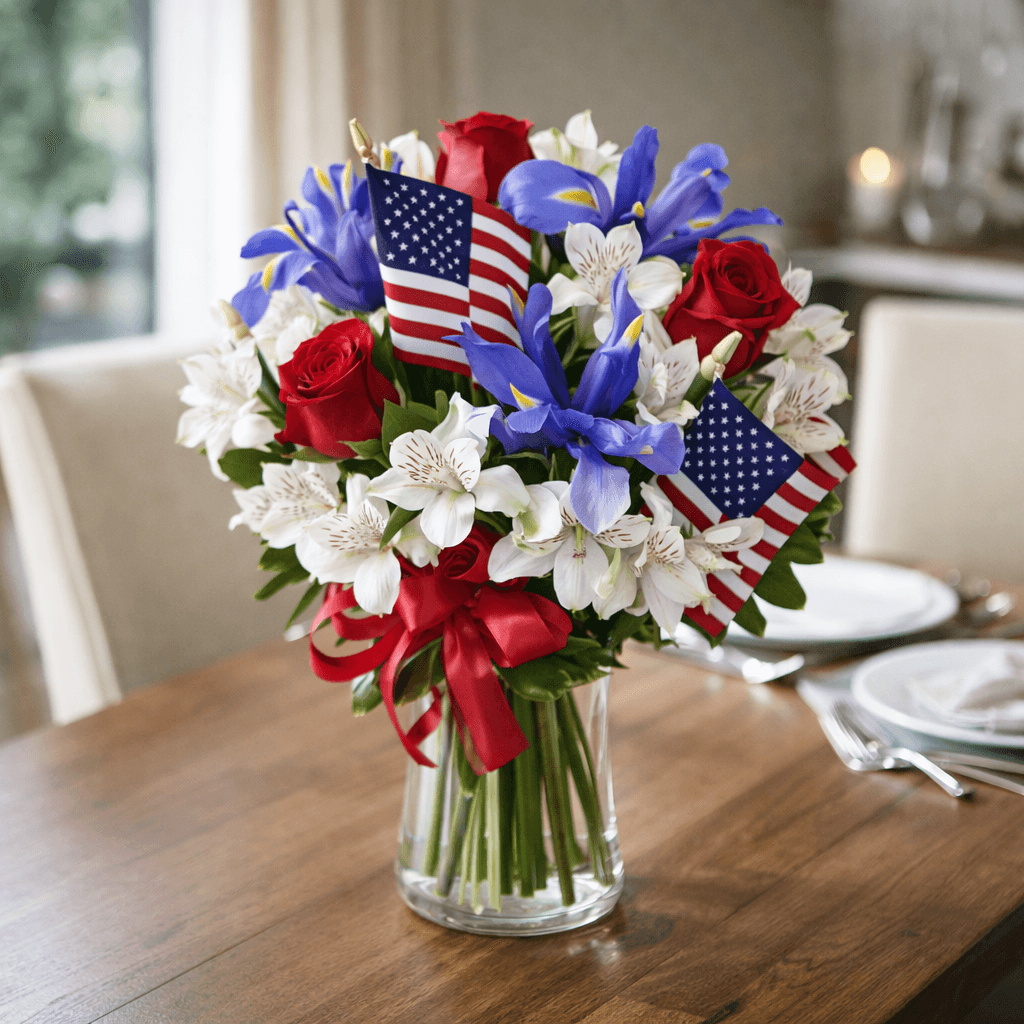
The Unity Bouquet
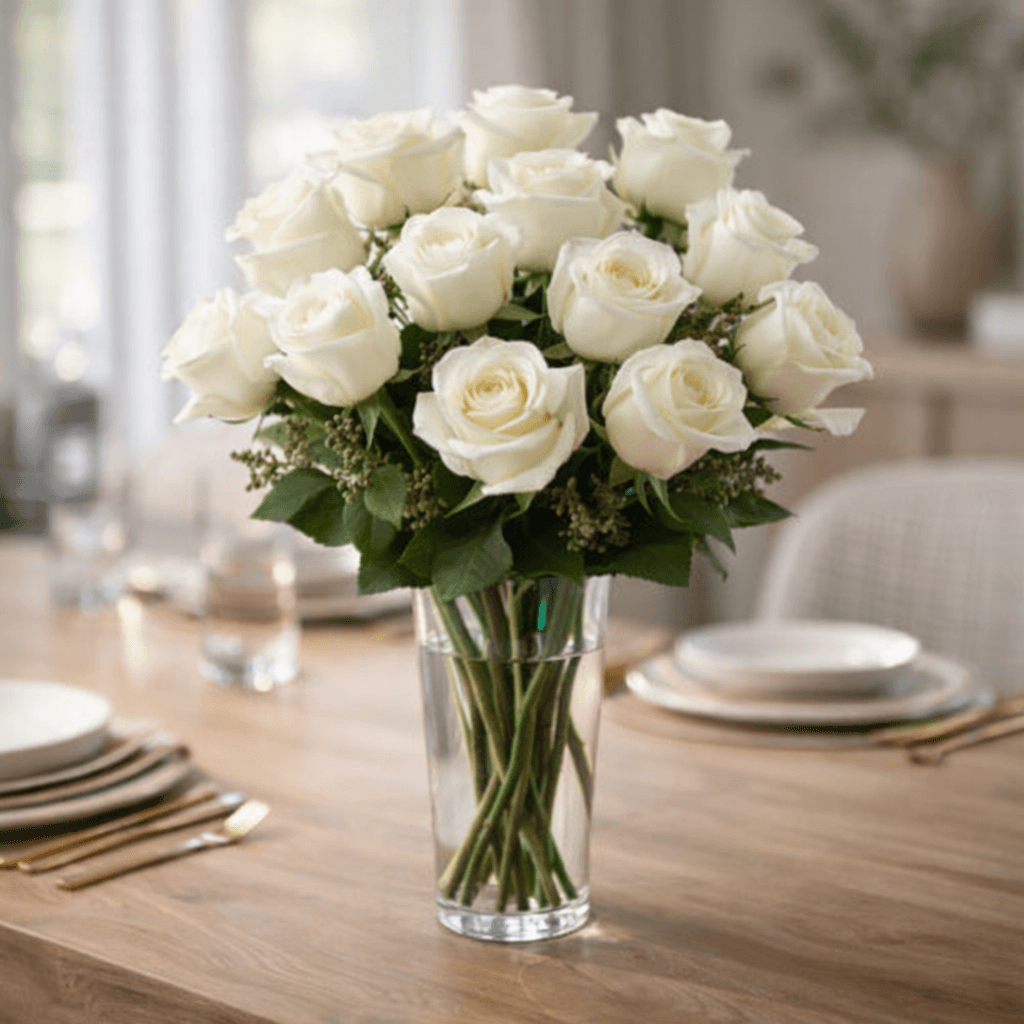
The White Rose Bouquet
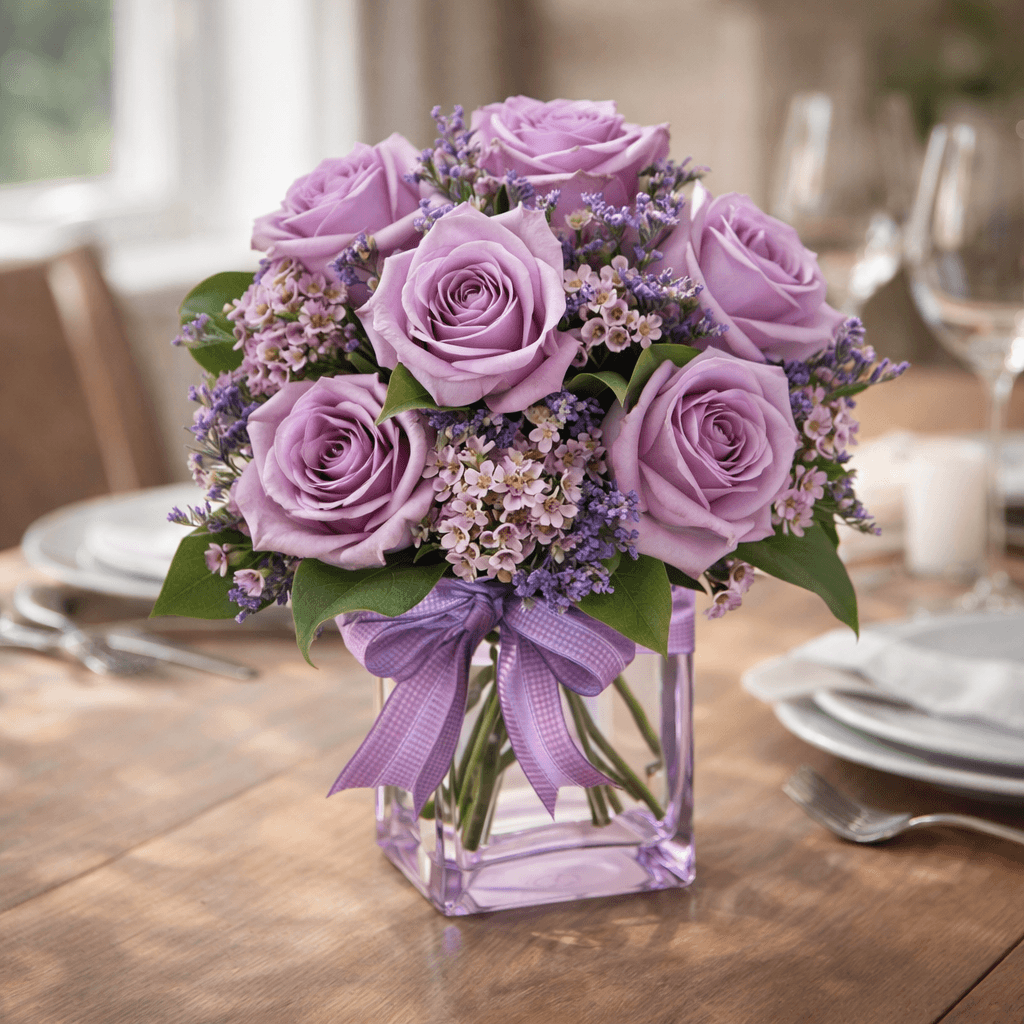
Morning Melody
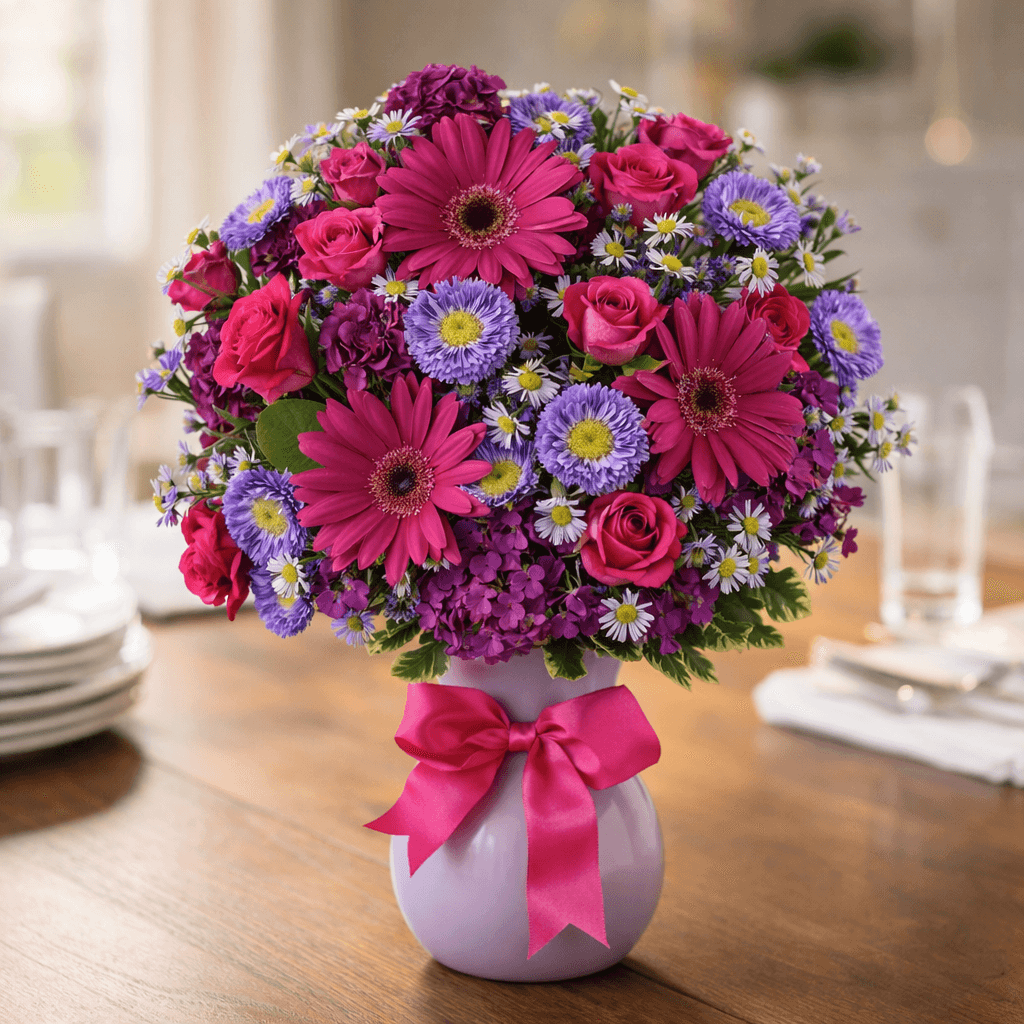
Joyful Jubilee