What Kind of Flowers for Funeral Services in Canada
Funeral flowers are chosen by relationship, service setting, and where the arrangement will be delivered. This guide explains casket sprays, standing sprays, baskets, urn flowers, plants, colours, timing, and card wording.
Start with relationship and destination
The simplest answer to what kind of flowers for funeral is this: close family usually chooses the main service pieces, while friends, relatives, coworkers, and neighbours send sympathy arrangements to the service or to the family home. Casket sprays and urn arrangements are normally selected by the immediate family because they sit with the casket or cremation urn. Standing sprays, wreaths, baskets, plants, and vase arrangements are more suitable for extended family, friends, workplaces, and community groups. White lilies, roses, carnations, chrysanthemums, orchids, hydrangea, and evergreens are common because they look calm, last well, and photograph respectfully in a chapel or funeral home.
The destination matters as much as the flowers. A funeral home, church, chapel, mosque, synagogue, temple, cemetery, or reception hall can usually receive larger pieces on stands, including sprays and wreaths. A private home is different: send something the family can place on a table, counter, or entryway without needing a stand or staff to move it. If you are unsure, choose a basket, vase arrangement, plant, or general sympathy design rather than a large standing tribute.
What kind of flowers for funeral suits each service piece?
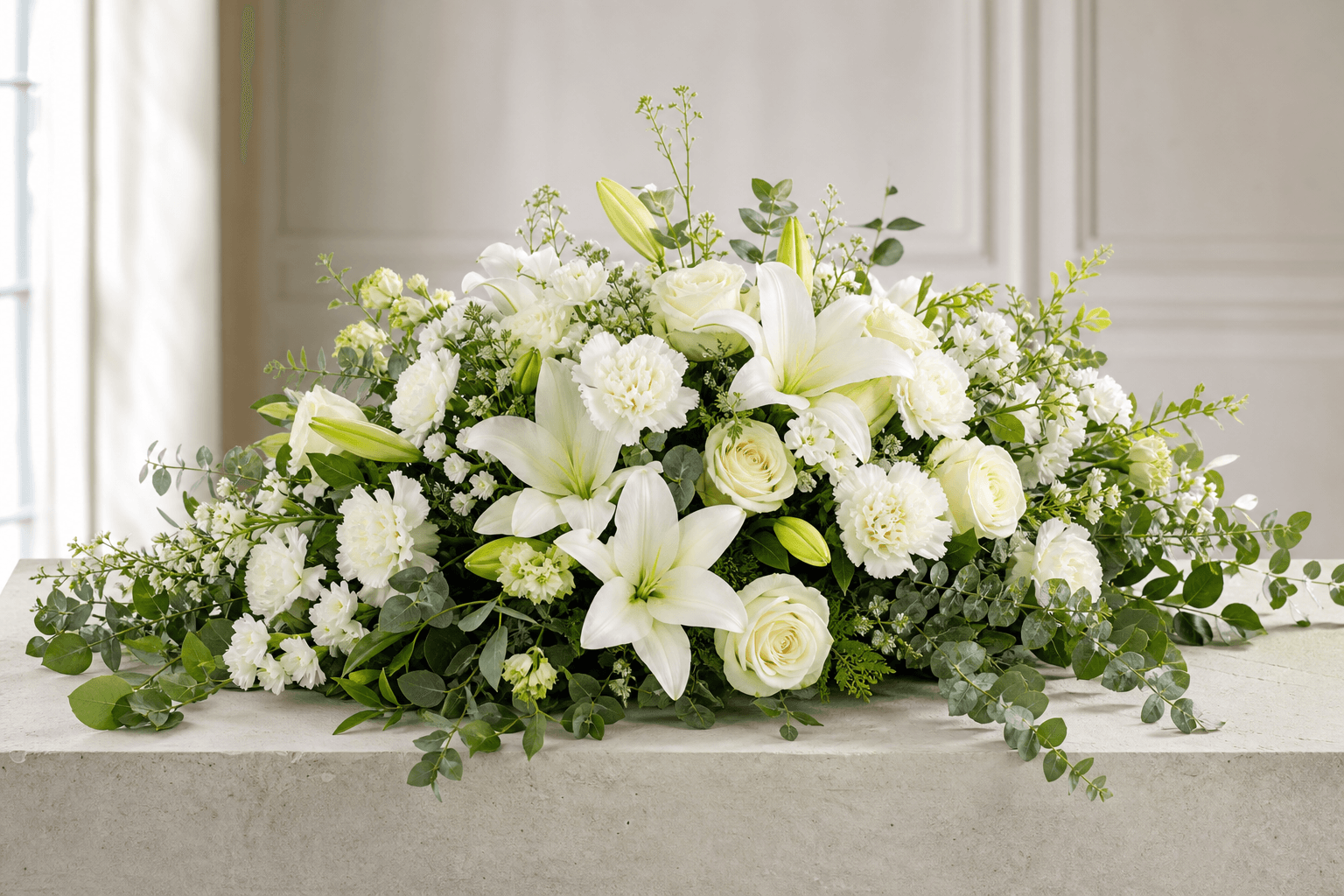
A casket spray is the most formal funeral arrangement and rests on top of the casket. Because of that placement, funeral casket sprays are best ordered by a spouse, children, parents, siblings, or the person arranging the service. They often use roses, lilies, carnations, chrysanthemums, snapdragons, gladiolus, orchids, or seasonal greenery in white, cream, red, pink, lavender, or mixed tones. Do not send a casket spray as a friend or coworker unless the family has specifically asked you to handle that piece; it can unintentionally overstep.
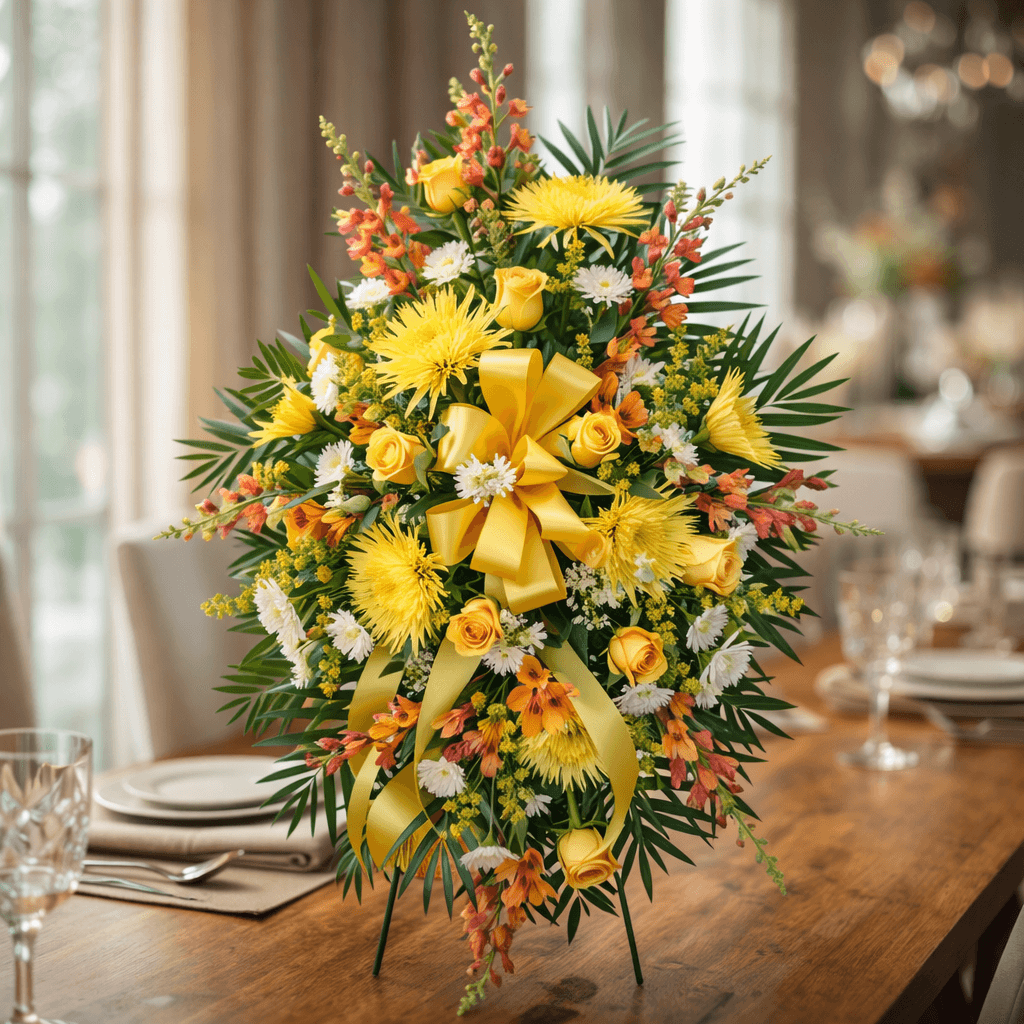
A standing spray is displayed on an easel and is appropriate from extended family, close friends, a workplace, a club, or a congregation. Funeral sprays work well in larger rooms because their height makes them visible during the service. Funeral wreaths are also service pieces, often chosen when the sender wants a traditional circular tribute. For cremation services, funeral urn arrangements are designed to frame or sit near the urn, so they should usually be coordinated with the family or funeral director before ordering.
What to send to a home versus a service
For a service, choose flowers that can be displayed by funeral home staff: standing sprays, wreaths, urn arrangements, casket sprays, pedestal baskets, or larger vase arrangements. Include the name of the deceased, the service time, and the funeral home or place of worship address so the local florist can deliver to the right room. If the service is early in the day, order as soon as possible rather than waiting until the morning of the funeral. A design that arrives after the visitation or ceremony may still be appreciated, but it may not be displayed where you intended.
For a home, choose something stable, compact, and easy to care for. Funeral baskets are practical because they arrive arranged and do not require the family to find a vase. Funeral plants, such as peace lilies, dish gardens, orchids, or green plants, can be a thoughtful option after the service, especially when the family may already have many cut arrangements. Funeral sympathy flowers in a vase or basket are also suitable for delivery in the days after a death, not only on the funeral date.
Choosing by relationship, colour, and tone
Use your relationship as the rule of thumb. Immediate family may choose the casket spray, urn flowers, or main altar arrangements. Grandchildren, nieces, nephews, and close friends often choose standing sprays, wreaths, hearts, crosses, or baskets for the service. Coworkers and employers usually send one shared standing spray, basket, plant, or vase arrangement with a simple card from the team. Neighbours and acquaintances should usually send a smaller sympathy basket, vase, or plant to the home. Bigger is not automatically better; the most appropriate flowers are the ones that fit your relationship and the setting.
White flowers are the safest formal choice: lilies, roses, carnations, chrysanthemums, lisianthus, alstroemeria, hydrangea, or orchids with soft greenery. Cream, pale pink, lavender, blue, and purple are also common for a gentle tone. Red roses or red carnations can suggest deep love and are often chosen by spouses or close family. Yellow can be warm and personal for someone remembered as bright or cheerful, but it is less formal. In Canada, chrysanthemums are widely used in sympathy work, but flower meanings vary by family culture, so follow the family’s faith, customs, and stated preferences when you know them.
Canadian delivery timing, prices, and substitutions
Flowers on Demand delivers across Canada through a network of local florists who arrange and hand-deliver the order. Delivery is available in AB, BC, MB, NB, NL, NS, ON, PE, QC, SK, NT, NU, and YT. Delivery is a flat $19.99 CAD, and prices are shown in Canadian dollars. Same-day delivery requires ordering by 1:00 PM in the recipient’s local time, Monday to Saturday. There is no Sunday delivery, which matters for weekend visitations and Monday morning services.
Funeral flowers should be ordered as early as you can once the service details are confirmed. Weather, distance, ferry schedules, rural routes, and limited flower availability can affect timing in any province or territory, especially in smaller communities or northern deliveries. Substitutions can happen when a local florist is short a specific stem, colour, basket, or container. That is normal in the flower industry. The florist will keep the design similar in value and style, using available flowers that suit the same funeral or sympathy purpose.
Common mistakes to avoid
One common mistake is sending the wrong arrangement to the wrong place. A large standing spray is meaningful at a funeral home but awkward at a private home, where the family may have no stand and little room. Another mistake is assuming every funeral needs white flowers only. White is appropriate, but soft colour can be just as respectful when it reflects the person or the family’s wishes. A third mistake is sending a casket spray without being part of the immediate family. If in doubt, choose a basket, plant, vase arrangement, wreath, or standing spray instead.
Keep the card short and clear. Funeral flower cards are small, and the family may read many messages at once. Good wording includes “With deepest sympathy,” “Thinking of you and your family,” “In loving memory,” or “With love and remembrance.” If you knew the person well, add one concrete line such as “We will remember his kindness” or “Her warmth will stay with us.” Avoid long explanations, religious wording unless you know it is welcome, and phrases that try to explain the loss.
Common questions
- what flowers for funeral
- Common funeral flowers include lilies, roses, carnations, chrysanthemums, orchids, hydrangea, alstroemeria, gladiolus, and snapdragons. The best choice depends on where the flowers are going and how close you were to the person who died. Use casket sprays and urn arrangements for immediate family, and choose baskets, plants, wreaths, or standing sprays for friends, relatives, coworkers, and groups.
- what to write on funeral flowers for family
- Write a short message that names your sympathy without trying to say too much. Good examples are “With deepest sympathy,” “Thinking of your family with love,” or “In loving memory of a wonderful person.” If you were close, add your name clearly so the family knows who sent the flowers.
- what kind of flowers for funeral
- For a funeral service, choose formal flowers such as lilies, roses, carnations, chrysanthemums, orchids, snapdragons, or hydrangea in a casket spray, standing spray, wreath, basket, or urn arrangement. For a family home, choose a basket, vase arrangement, plant, or sympathy flowers that are easy to place and care for. The right kind depends on your relationship and the delivery setting.
- what to write on funeral flowers
- Keep the funeral flower card brief and sincere. Phrases such as “With heartfelt sympathy,” “In loving memory,” “Our thoughts are with you,” or “With love and remembrance” are appropriate. Avoid long messages, private jokes, or religious wording unless you know it fits the family’s beliefs.
- what colour flowers for funeral
- White, cream, soft pink, lavender, blue, and purple are common funeral colours because they feel calm and respectful. Red is often used by close family or a spouse to show deep love. Brighter colours can be appropriate when they reflect the person’s life or when the family has asked for them.
- what to write on sympathy flowers
- For sympathy flowers sent to a home, write a warm and simple message. Examples include “Thinking of you during this difficult time,” “Sending love and comfort,” or “We are so sorry for your loss.” If the flowers are from a family, workplace, or group, sign the card with the full group name.
Arrangements to send
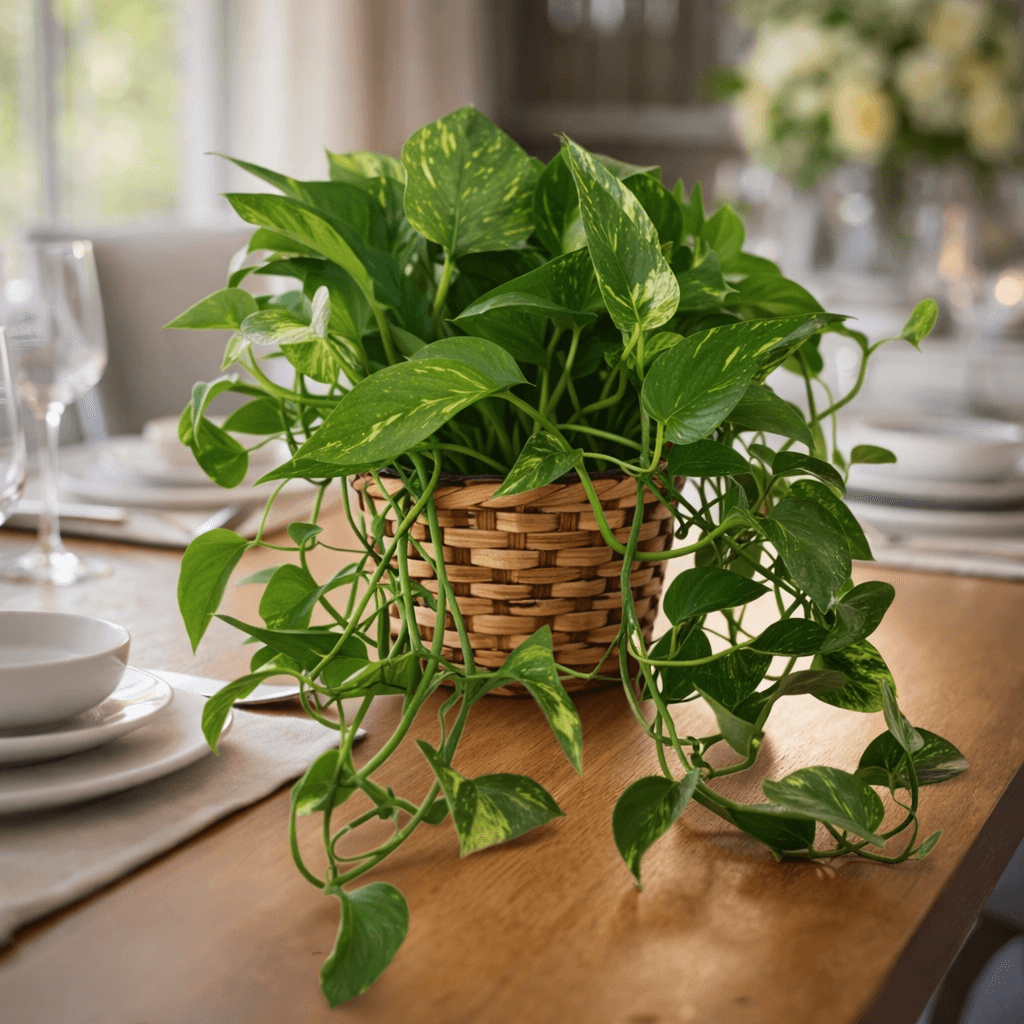
Enduring Spirit Pothos Basket
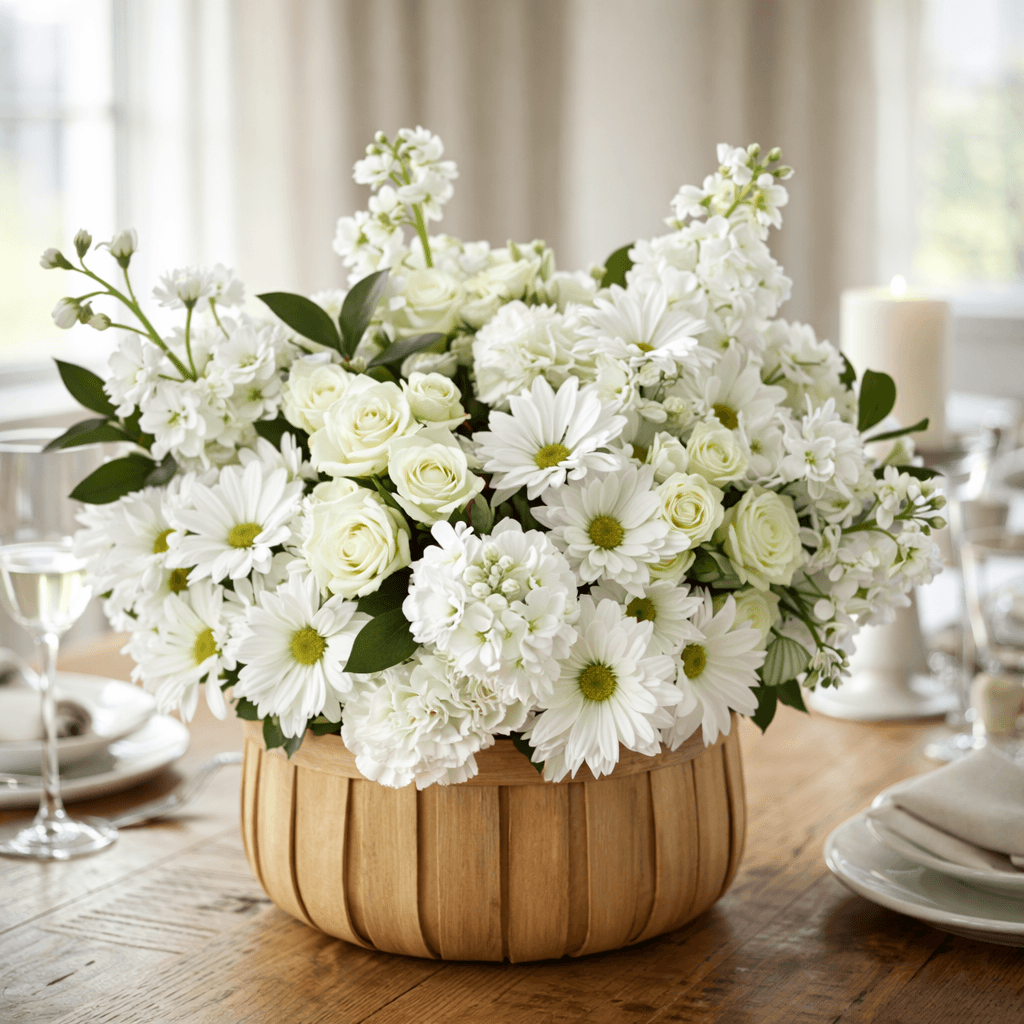
Graceful Garden Basket
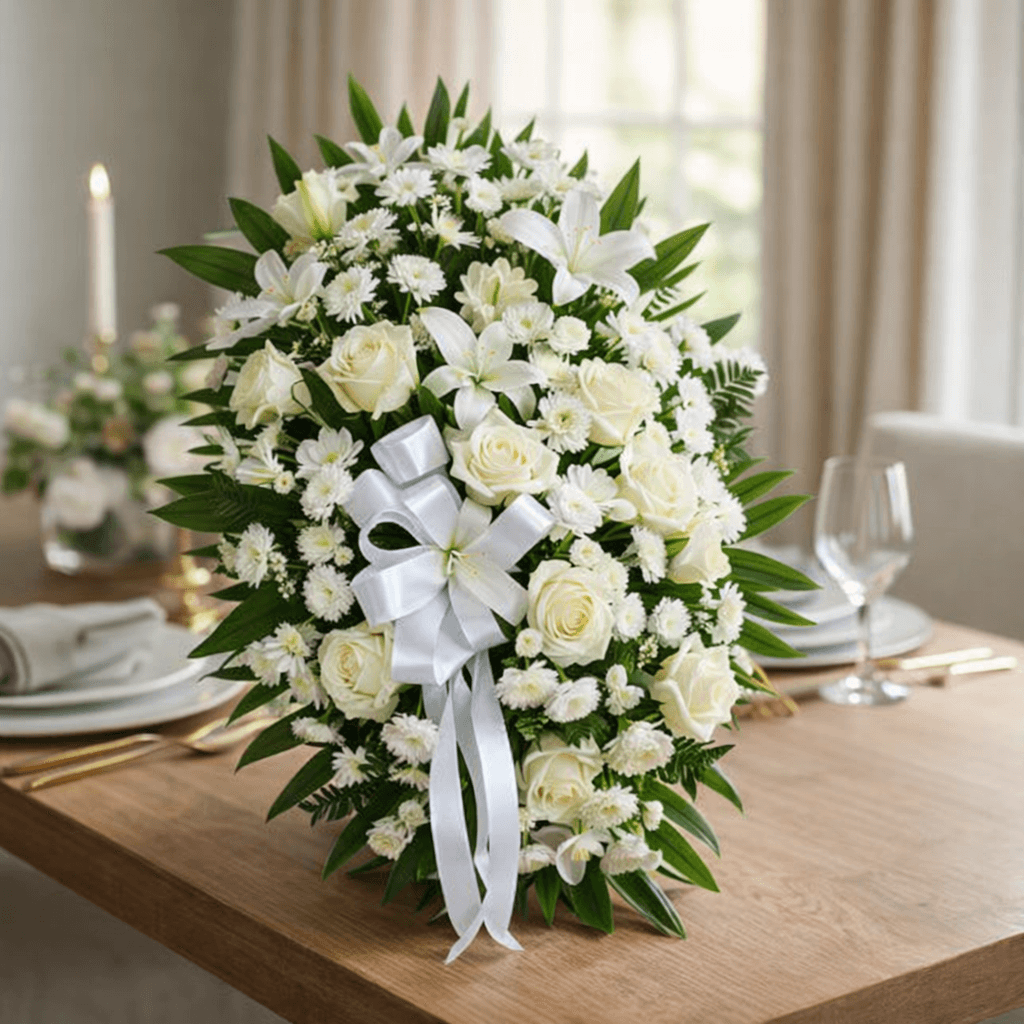
Exquisite Tribute Standing Spray
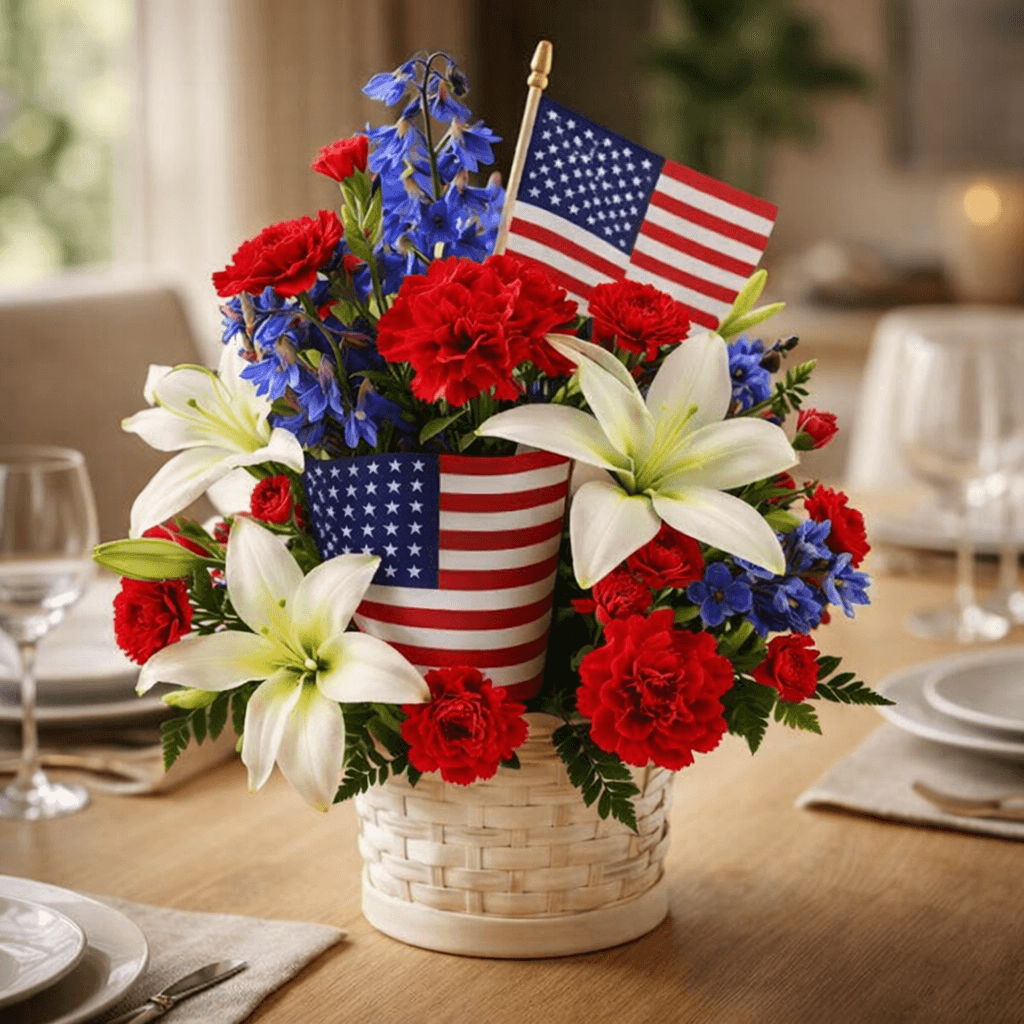
The American Glory Bouquet
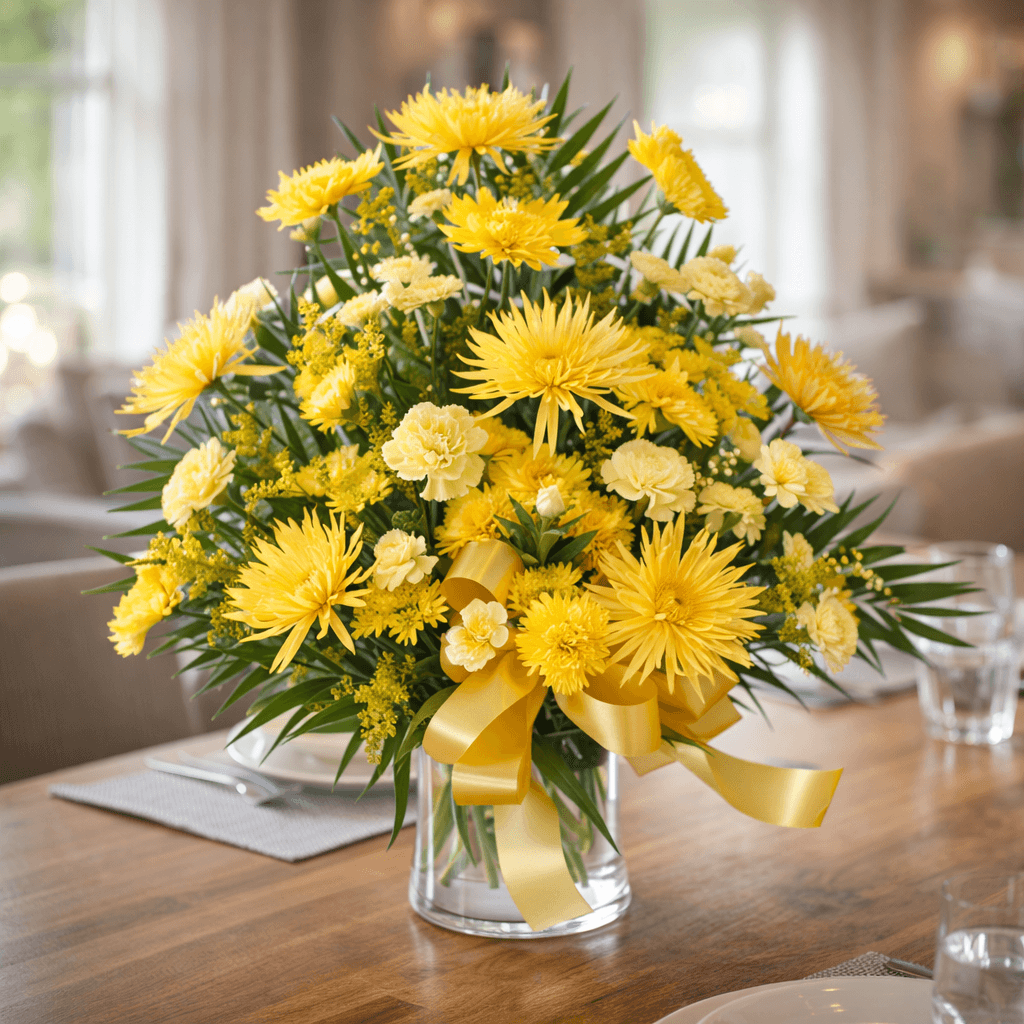
Sunshine Funeral Flower Arrangement