What to Write on Funeral Flowers: Card Messages for Every Relationship
Use these ready-to-send funeral flower card messages for family, friends, coworkers, neighbours, and group orders, with practical advice on flowers, colours, delivery timing, and signing your name.
Short messages that are safe, warm, and clear
Use a short, plain sentence that names your sympathy and signs your name clearly. If you are wondering what to write on funeral flowers while you are placing an order, choose words the family can read quickly at a difficult time: “With deepest sympathy,” “Thinking of you,” or “Remembering [Name] with love.” Funeral flower cards are small, so one or two lines is usually enough. Avoid trying to explain the loss or fill the space with formal language. The best message sounds like something you would actually say at the door.
The card should also say who sent the flowers, especially when several arrangements arrive at the funeral home or family house. Write “From the Chen family,” “Love, Aunt Marie and Uncle Paul,” or “Your team at the Winnipeg office” rather than initials alone. If the deceased used a name different from their legal name, use the name the family used in daily life. For a shared order, keep the main message simple and put the group name at the end so the recipient does not have to guess.
- With deepest sympathy.
- Thinking of you and your family.
- Remembering [Name] with love and respect.
- Our hearts are with you.
- With love from the [Family Name] family.
What to Write on Funeral Flowers for Family
For close family, the note can be more personal, but it still does not need to be long. A spouse, child, grandchild, sibling, aunt, uncle, or cousin may mention love, gratitude, and a shared place in the family. If the flowers are going to the service, keep the message suitable for anyone to see. If they are going to the home, you can be warmer and more direct. The rule of thumb is simple: say what the person meant to you without turning the card into a eulogy.
People often search for what to write on funeral flowers for family because family relationships can be loving, complicated, or both. You do not have to pretend the relationship was perfect. “Wishing you peace” is better than a forced message that feels untrue. For blended families, stepfamilies, or relatives you did not know well, choose wording that supports the living: “Our family is thinking of yours” or “With sympathy as you remember [Name].” The flowers can carry kindness without overstating closeness.
- With all our love as we remember [Name].
- Forever grateful for the love and care [Name] gave our family.
- Wishing our family peace and comfort in the days ahead.
- In loving memory of a dear mother, father, grandparent, sibling, or relative.
- Our family is holding yours close in thought.
Messages for a friend, neighbour, coworker, or group
For a friend, write as if you were speaking to the person who will open the card, not to a room full of mourners. Mention friendship, steadiness, and the ordinary things people miss: calls, coffee, humour, advice, or years of neighbourly help. If you knew the deceased well, it is fine to include their first name. If you mainly know the grieving person, centre your support for them. A good friend message is specific enough to feel human and short enough to fit the card comfortably.
Workplace and community messages should be respectful and not too intimate. A card from coworkers, a union local, a school staff, or a volunteer group can say “We are thinking of you and your family” without naming details the sender may not know. If the flowers are from a business team, include the department or location, such as “From your colleagues in Halifax” or “With sympathy from the Regina branch.” This helps the family connect the arrangement to real people instead of an unsigned organization.
- I will always remember [Name]’s kindness and humour.
- Thinking of you and sending love as you remember your dear friend.
- With sympathy from all of us at work.
- Your neighbours are thinking of you and your family.
- We are grateful to have known [Name].
Match the card to the arrangement, not the other way around
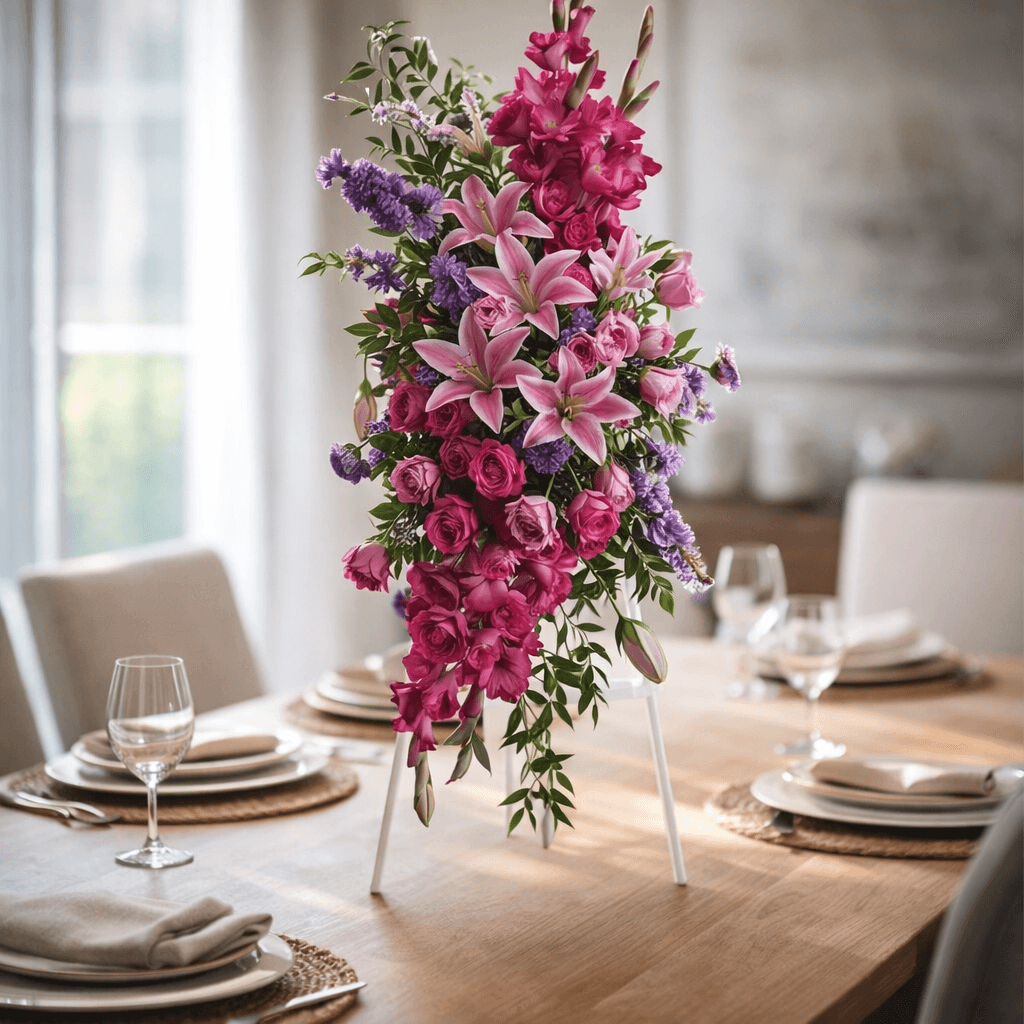
The type of arrangement affects the card only a little. Standing funeral sprays are usually sent to a funeral home, chapel, church, mosque, temple, or graveside service, so the wording should be public and concise. Funeral baskets, vase arrangements, and plants can go either to the service or to the family home, where a slightly warmer note is fine. If you are unsure what to send, browse funeral best sellers to see common shapes before deciding on the wording. The flowers make the gesture; the card gives it a voice.
A common mistake is trying to match the size of the message to the size of the arrangement. A large spray does not need a grand statement, and a modest basket is not less caring because the card is brief. If you are asking what to write on funeral flowers card notes, think in terms of the recipient’s day. They may be reading dozens of cards, sometimes after travel, visitation, and paperwork. Clear words such as “With love and sympathy” are easier to receive than long explanations.
Funeral flowers and colours that fit the message
White lilies, roses, carnations, chrysanthemums, gladiolus, snapdragons, hydrangeas, orchids, alstroemeria, and mixed greenery are all common funeral choices in Canada. The right choice depends on where the flowers are going, what the family observes, and what the local florist can source that week. Lilies feel traditional, roses can be formal or tender, carnations last well, and chrysanthemums are often used because they hold their shape. For home delivery, sympathy flowers in a vase or basket are usually easier for the family to place than a standing tribute.
White is traditional, but it is not the only respectful colour. Soft pink, cream, lavender, pale yellow, peach, and gentle mixed pastels can be right for a parent, grandparent, friend, or neighbour. Deep red often suggests love and close family; purple can feel dignified; bright colours may suit someone known for energy or gardens. Avoid assuming every funeral must look colourless. The better rule is to choose colours that would not surprise the family, and write a card that explains the feeling simply: “Remembering her warmth and joy.”
Ordering funeral flowers for delivery in Canada
Funeral orders are time-sensitive, so check the service time, the funeral home address, and the recipient’s local time before you write the card. Flowers on Demand delivers across Canada, including AB, BC, MB, NB, NL, NS, ON, PE, QC, SK, NT, NU, and YT, through a network of local florists who arrange and hand-deliver orders. It is not one shop sending vans across the country. That local handoff matters because a florist in Saskatoon, St. John’s, or Yellowknife works with the flowers available near them.
Same-day delivery is available Monday to Saturday when the order is placed by 1:00 PM in the recipient’s local time; there is no Sunday delivery. Delivery is a flat $19.99 CAD, and prices are shown in Canadian dollars. If a specific stem is short locally, the florist may substitute flowers of similar value and style. That is normal in funeral work, especially around holidays, winter weather, or remote routes. Your card message remains exactly the part the family connects to you, even when a stem changes.
What not to write, and how to sign the card
The biggest mistake is writing too much, not too little. Do not mention family conflict, medical details, money, or any phrase that tells people how they should feel, such as “be strong” or “everything happens for a reason.” If you are unsure about religion, avoid prayers that may not fit and choose a neutral line instead. “Wishing you peace” works in many homes. “Sorry for your loss” is not lazy; it is often exactly the plain, kind sentence a grieving person can take in.
Always sign the card in a way the family will recognize. Use full names for distant relatives, include children’s names if they are part of the gift, and add a city or relationship when useful: “Love, Michael, Sara, and the kids in Calgary” or “Your neighbours, Pat and Denise.” If several households are sharing one arrangement, agree on the wording before ordering so no one is left out. The final test is whether the card would still feel respectful if read aloud beside the flowers.
Common questions
- what flowers for funeral
- Common funeral flowers include lilies, roses, carnations, chrysanthemums, gladiolus, orchids, hydrangeas, and mixed greenery. Choose a standing tribute for a service, or a basket, vase arrangement, or plant for the family home.
- what to write on funeral flowers for family
- For family, write a short message that names love, memory, and support. Good choices include “With all our love as we remember [Name],” “Wishing our family peace,” or “Forever grateful for [Name]’s love and care.”
- what kind of flowers for funeral
- The kind of funeral flowers depends on the delivery location and your relationship. Sprays and wreath-style tributes suit services, while baskets, vases, and plants are often easier for home delivery.
- what to write on funeral flowers
- Write one or two clear lines, such as “With deepest sympathy,” “Thinking of you and your family,” or “Remembering [Name] with love.” Always sign your full name or group name so the family knows who sent the flowers.
- what colour flowers for funeral
- White is traditional, but soft pink, cream, lavender, peach, pale yellow, purple, and gentle mixed colours can also be appropriate. Choose colours that fit the person being remembered and would feel respectful to the family.
- what to write on sympathy flowers
- For sympathy flowers sent to the home, a warmer note is usually fine. Try “Thinking of you in the days ahead,” “Sending love and comfort,” or “We are here for you.”
Arrangements to send
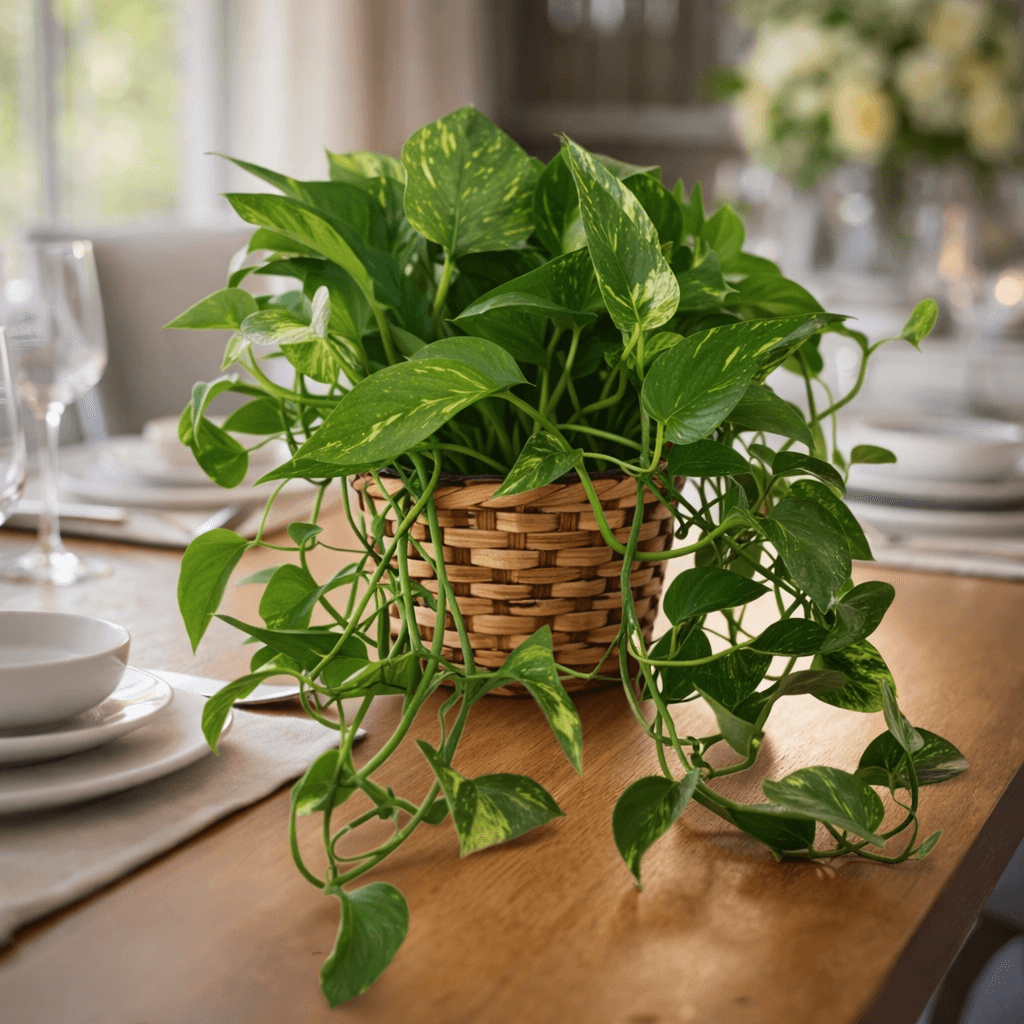
Enduring Spirit Pothos Basket
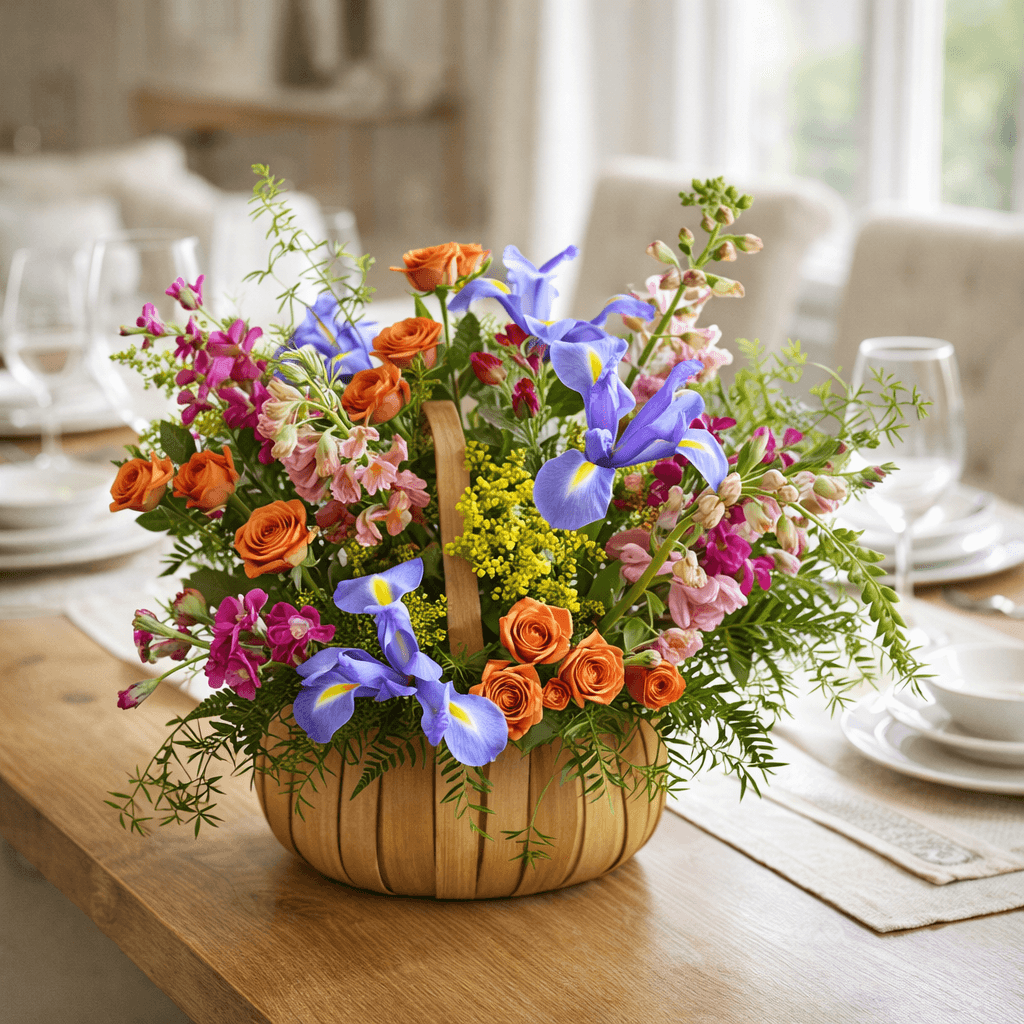
Garden of Life Basket
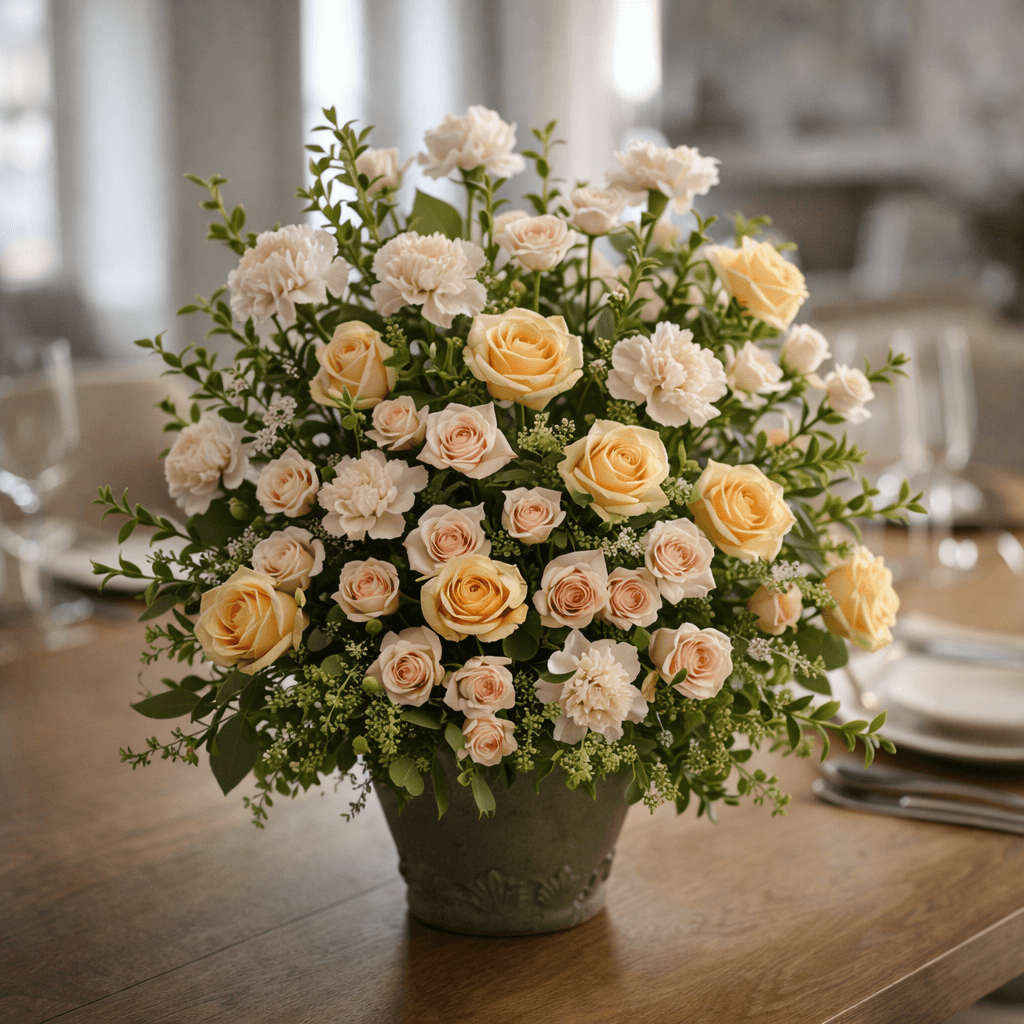
Rose Remembrance
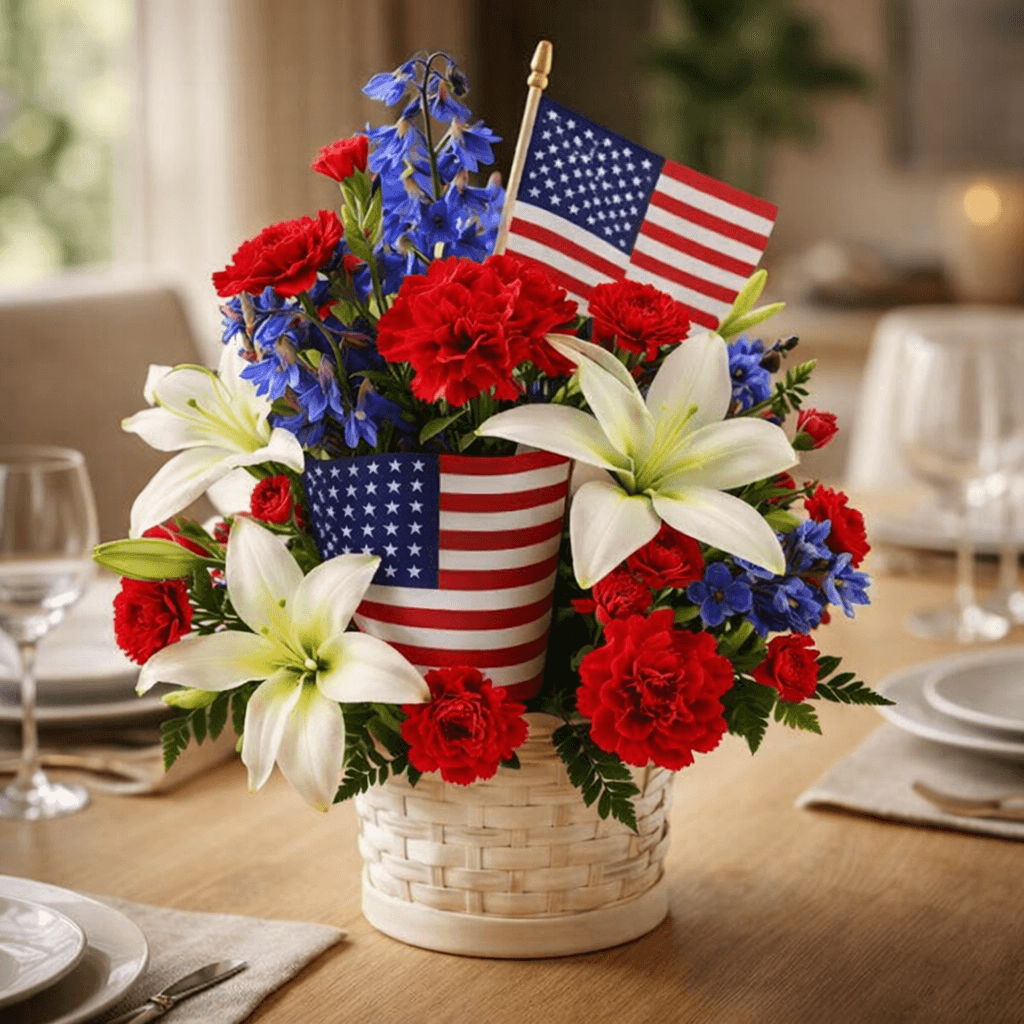
The American Glory Bouquet
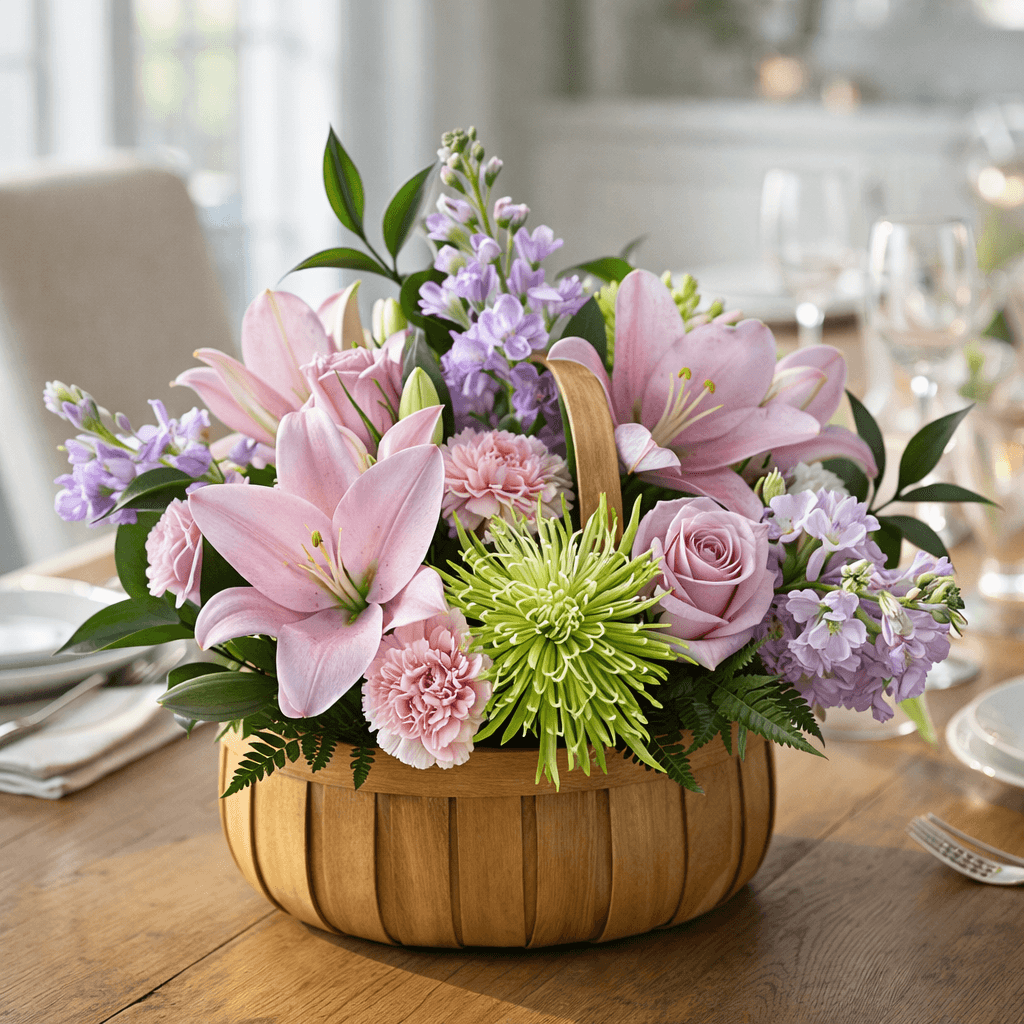
Beautiful Spirit Basket