Carnation Meaning: What Each Colour Says, From Red to Green
Carnations stand for love, fascination and distinction, and they were the first Mother's Day flower. Each colour carries its own message, from the deep love of red to the remembrance of white.
Carnations mean love, fascination and distinction, and in their best-known role, a mother's love. They're one of the oldest cultivated flowers, grown in the Mediterranean for around two thousand years, and their botanical name, Dianthus, is usually read as "flower of the gods", from the Greek dios and anthos.
More than most flowers, a carnation's meaning depends on its colour. A red carnation and a yellow one say very different things. Below is what each colour means, where the carnation's link with Mother's Day comes from, and how to choose. For care, vase life and the arrangements that use them, see our carnation guide.
Carnation flower meaning at a glance
The meanings florists and the Victorian language of flowers give each colour:
- Red: admiration and deep love. Light red leans to admiration; dark red to love and affection.
- Pink: a mother's love and gratitude. The classic Mother's Day colour today.
- White: pure love, good luck and remembrance. The original Mother's Day carnation, and common in sympathy work.
- Yellow: disappointment or rejection in the Victorian code. Most people now read yellow simply as cheerful, but it's worth knowing.
- Purple: capriciousness and unpredictability, in the old flower dictionaries.
- Striped: refusal, or regret that a love can't be returned.
- Green: St. Patrick's Day, and a nod to Oscar Wilde, who made the green carnation a dandy's buttonhole in the 1890s.
Red and pink carnation meaning
Red carnations are the carnation's love letter. They're less formal than red roses, so they suit a new relationship, a thank-you to a partner or an anniversary where you don't want to overdo it. They are also a symbol of workers' movements in parts of Europe: in Portugal, the bloodless 1974 revolution that ended the dictatorship is called the Carnation Revolution, after the red carnations soldiers wore in their rifles.
Pink carnations carry the strongest single meaning of any colour: a mother's love. A Christian legend says pink carnations first grew where Mary's tears fell at the crucifixion, and the colour has been linked with mothers ever since. Today pink carnations are the default Mother's Day flower in much of the world, and in South Korea children give carnations to their parents on Parents' Day, May 8.
White carnation meaning and Mother's Day
Mother's Day as we keep it began with Anna Jarvis in West Virginia, who handed out white carnations at a memorial service for her own mother in 1908. White was her mother's favourite flower, and Jarvis chose it to stand for the purity of a mother's love. The custom spread: people wore a red or pink carnation if their mother was living and a white one if she had died.
That history explains why white carnations still mean both pure love and remembrance. They're a lovely Mother's Day flower for a mother you're celebrating and an equally fitting flower in memory of one who has passed. In Canada, Mother's Day falls on the second Sunday of May; our Mother's Day flowers in Canada post covers the dates and the order-by days, since florists don't deliver on Sundays.
Yellow, purple and striped carnations
These are the colours where the old meanings and modern taste part ways. In Victorian flower dictionaries, yellow carnations meant disappointment or rejection, purple meant capriciousness, and striped carnations meant a refusal. A Victorian who received a striped carnation knew the answer was no.
Hardly anyone reads flowers that strictly now. Yellow carnations in a sunny mixed bouquet just look cheerful, and purple ones add depth to a design. If the recipient is a keen gardener or loves flower symbolism, though, avoid an all-yellow or all-striped bunch for a romantic occasion and mix the colours instead.
Carnations as a birth flower and anniversary flower
The carnation is the birth flower for January, shared with the snowdrop in some lists, which makes it one of the few birth flowers a florist can deliver easily in the middle of a Canadian winter. Our January birth flower post has more on that.
Carnations are also the traditional flower for a first wedding anniversary, standing for young, passionate love that lasts. See anniversary flowers by year for the full list.
Carnations at funerals and in sympathy flowers
Carnations are a mainstay of sympathy arrangements. White carnations say remembrance and pure love, red ones admiration, pink ones gratitude, and all of them hold up for well over a week in a cool funeral home. Designs such as the Classic Funeral Flower Basket use them for exactly that reason.
For the family's home, a softer mixed bouquet like the Blessings Bouquet works well. Browse all funeral and sympathy flowers if you're sending to a service.
Choosing carnations to send
Carnations are underrated. They last seven to fourteen days in a vase, longer than most cut flowers, they come in more colours than almost anything else a florist stocks, and they have a gentle, clove-like scent that roses bred for looks have often lost. That makes them a sensible choice when you want flowers that will still look good a week later.
Match the colour to the message: pink for a mother or grandmother, red for a partner, white for remembrance or a wedding, and mixed colours when you just want something bright. Every arrangement is made by a local florist and delivered anywhere in Canada for a flat $19.99, with same-day delivery when you order by 1:00 PM in the recipient's time zone, Monday to Saturday.
Common questions
- What does a carnation symbolize?
- Carnations symbolize love, fascination and distinction. Pink carnations stand for a mother's love, red for admiration and deep love, and white for pure love, good luck and remembrance.
- What does a pink carnation mean?
- A pink carnation means a mother's love and gratitude. That is why pink carnations are the classic Mother's Day flower.
- What does a yellow carnation mean?
- In the Victorian language of flowers, a yellow carnation meant disappointment or rejection. Today most people read yellow carnations as simply cheerful, but avoid an all-yellow bunch for a romantic gift if the recipient knows flower meanings.
- Are carnations good funeral flowers?
- Yes. White carnations mean remembrance and pure love, and carnations of every colour last well over a week, which is why they appear in so many sympathy baskets and sprays.
Arrangements to send
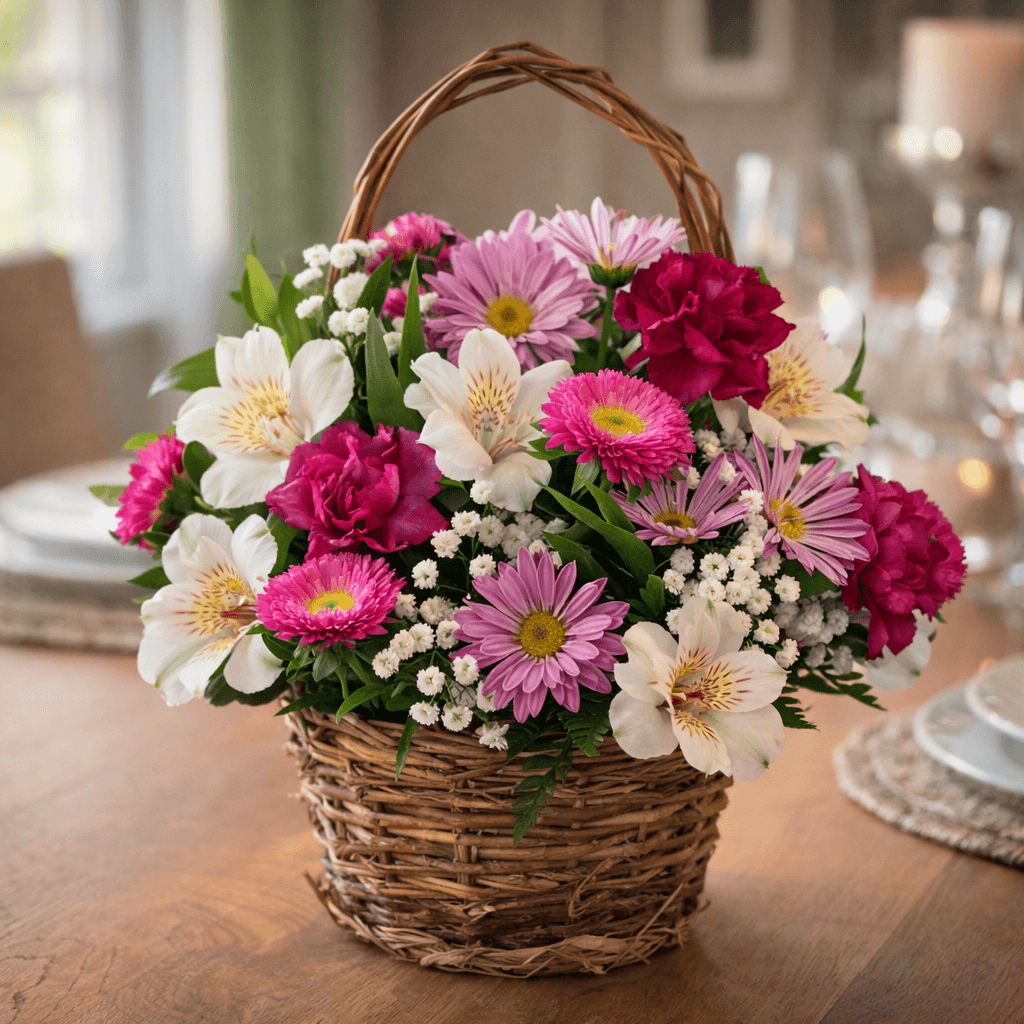
Happiness Flower Basket
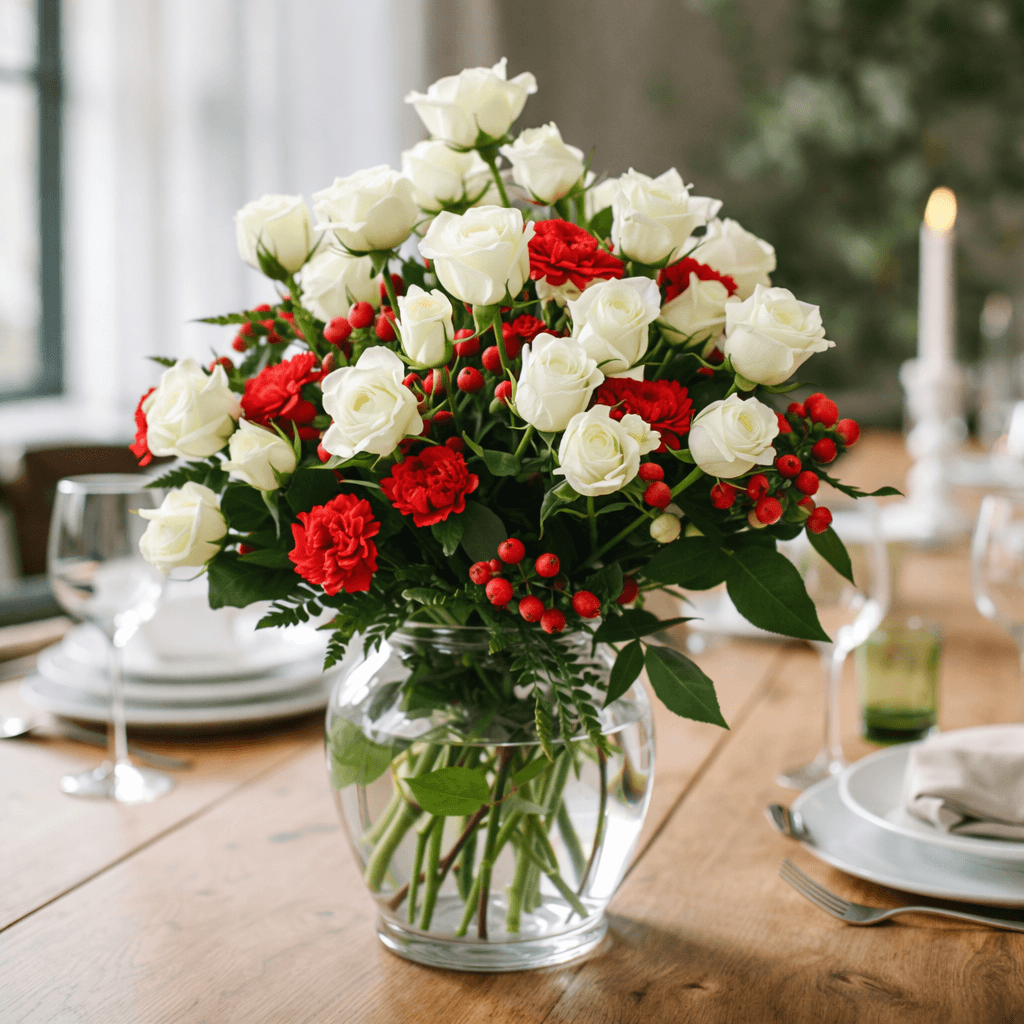
Red and White Bouquet
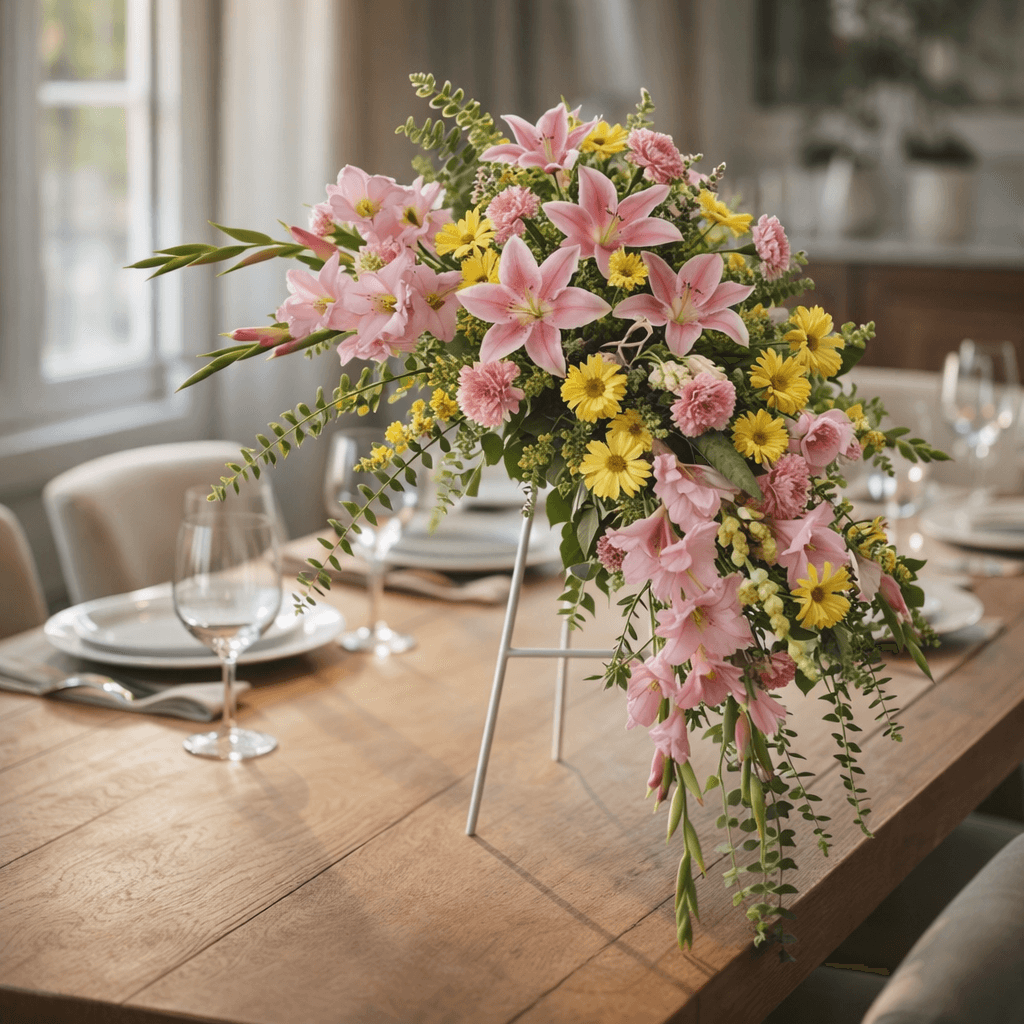
Sweet Solace Spray
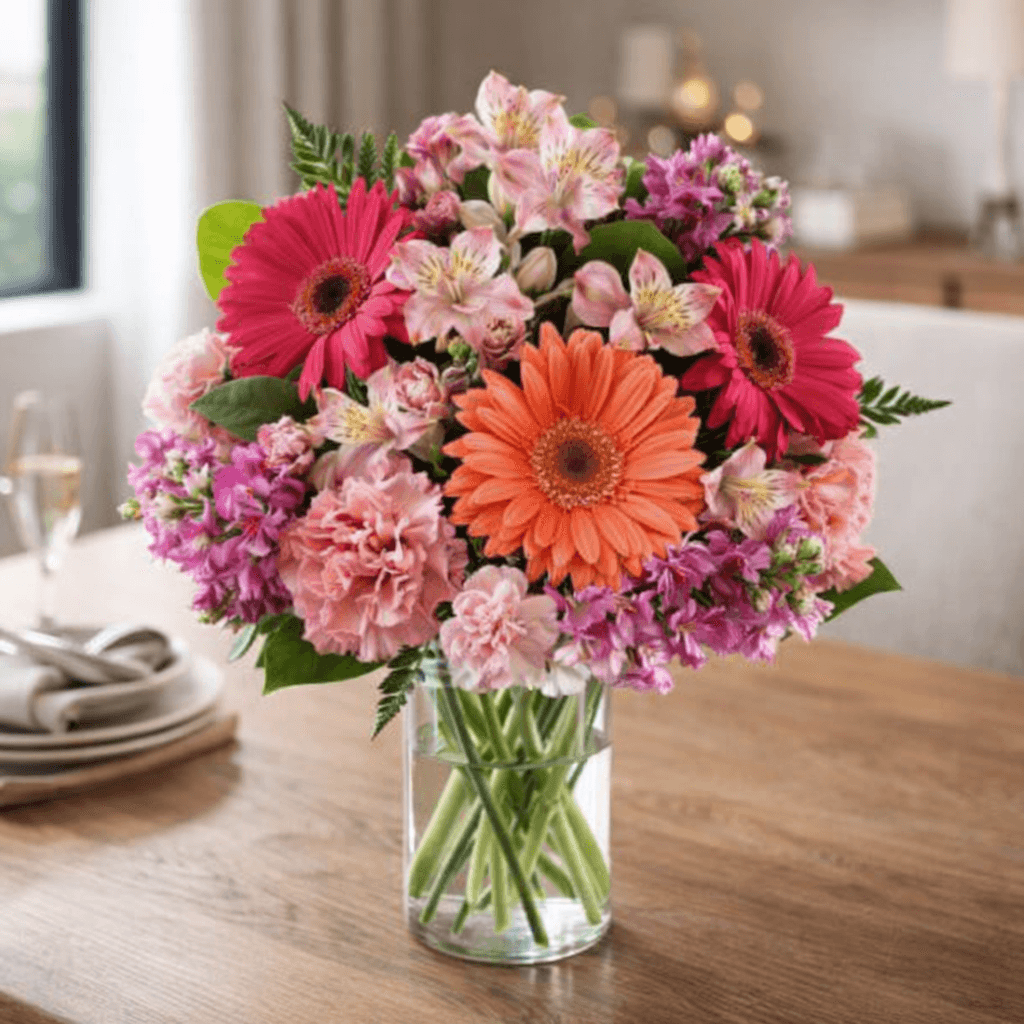
The Blushing Beauty Bouquet
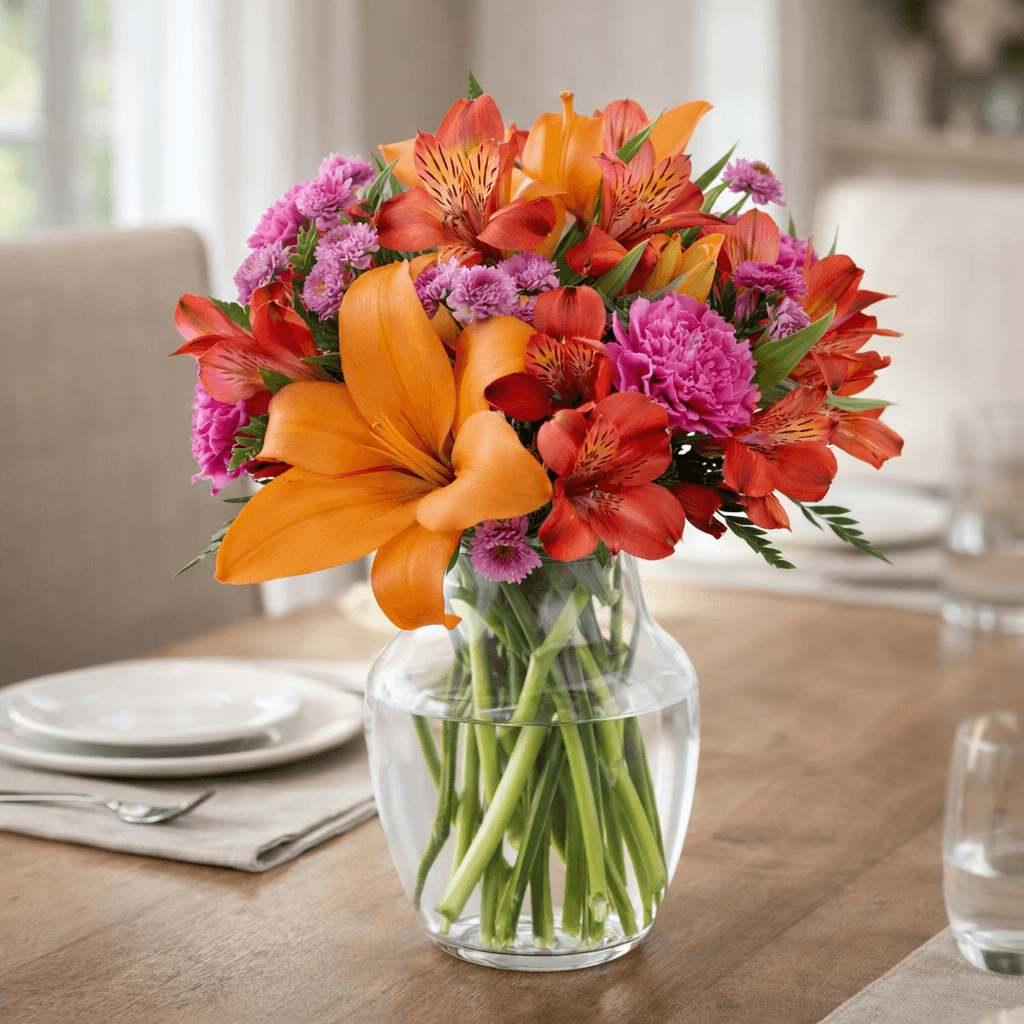
The Light of My Life Bouquet
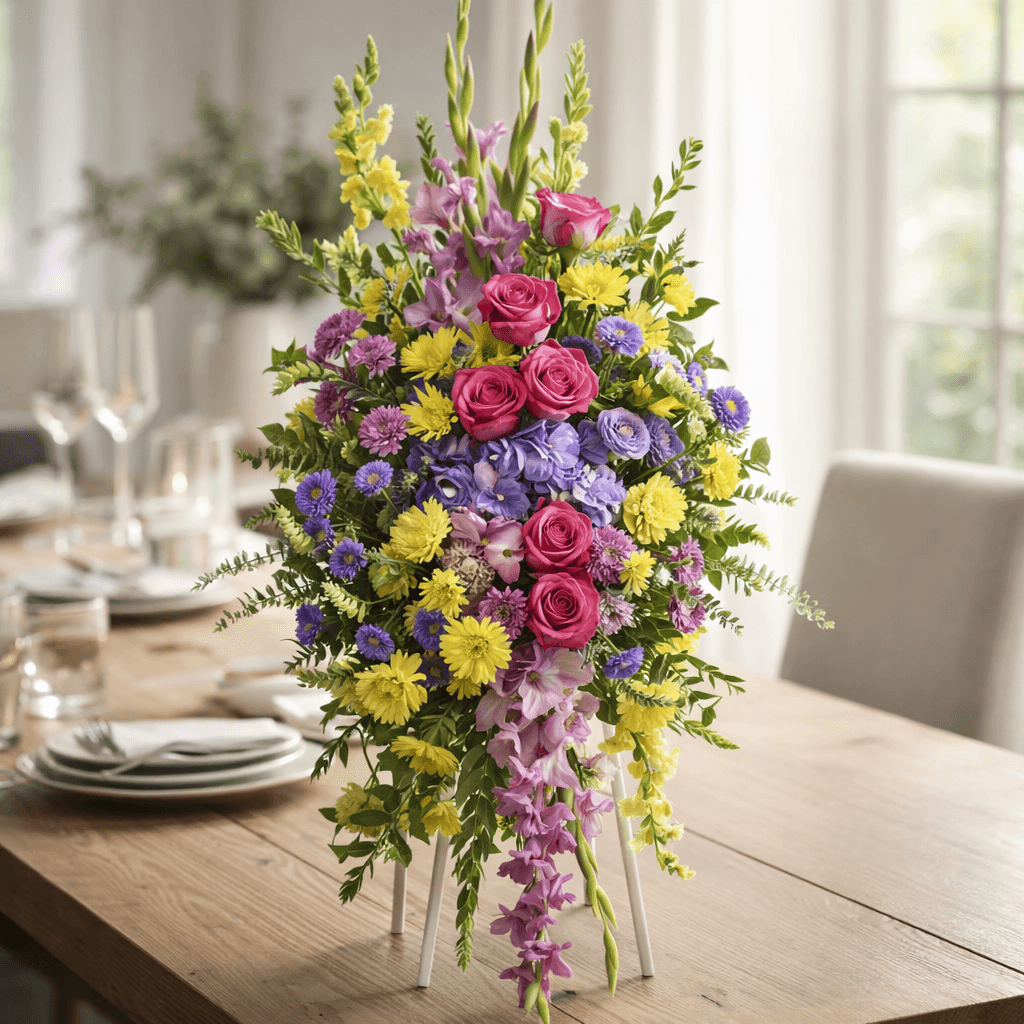
Bright and Beautiful Spray
Keep exploring
Shop these arrangements
Flower guides
More from the blog
Calla Lily Meaning: Beauty, Rebirth and a Flower for Weddings and Farewells
Calla lilies stand for beauty, purity and rebirth. That's why the same elegant flower turns up in bridal bouquets, Easter displays and funeral sprays. Here's what callas symbolize and what each colour says.
Chrysanthemum Meaning: Joy in Canada, Grief in Europe, Long Life in Asia
Few flowers change meaning as much from one country to the next as the chrysanthemum. Here is what mums symbolize in Canada, Asia and Europe, what each colour says, and when they are the right flower to send.
November Birth Flower: The Chrysanthemum and What It Means
November's birth flower is the chrysanthemum: a symbol of friendship and cheer in Canada, of long life in Asia, and of mourning in much of Europe. Here's what it means, colour by colour, and how to give one for a November birthday without sending the wrong message.