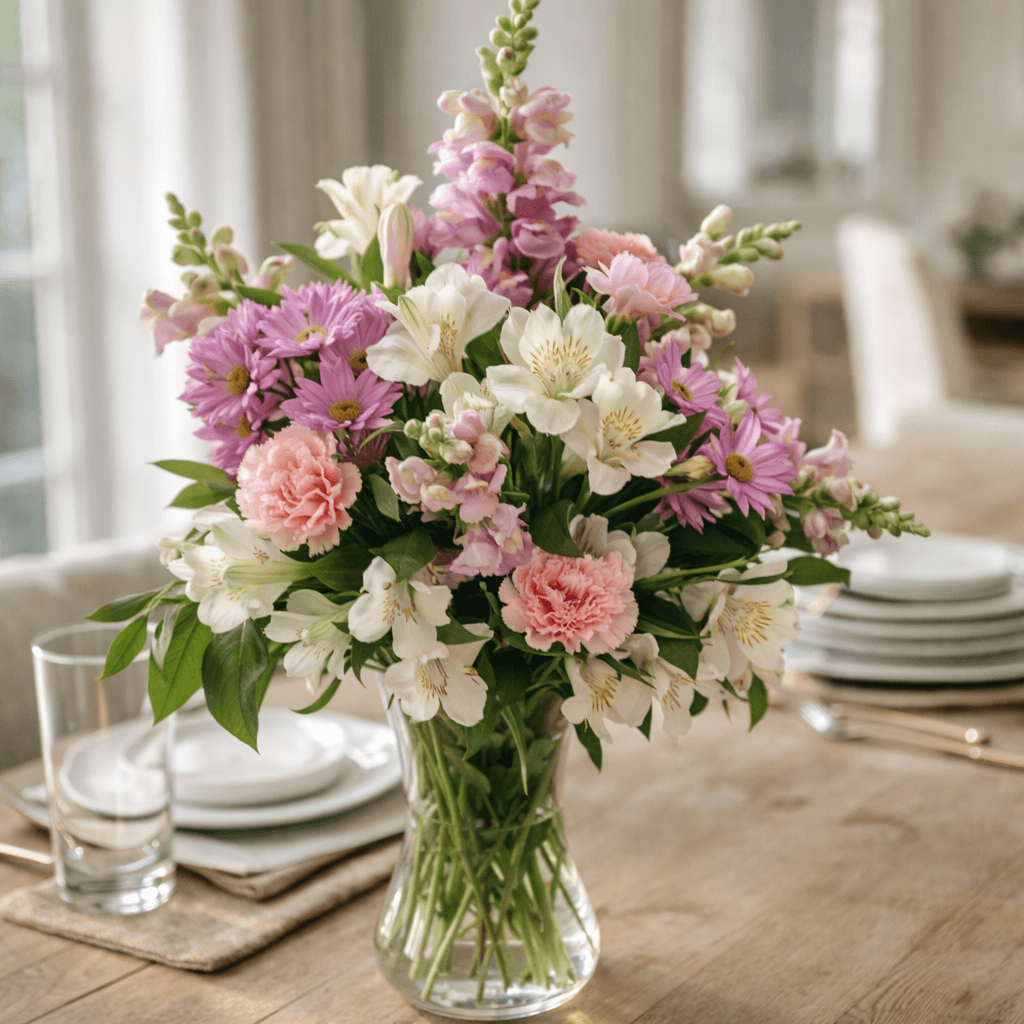
Flower Meanings: A Guide to the Language of Flowers
Use this A–Z flower meaning guide to match common blooms with the message you want to send, then check the linked guides for colour notes, care tips and Canadian delivery details.
Start with the message, then choose the stems
Flower meaning is the traditional message attached to a bloom, colour, or style of arrangement. A red rose usually points to romantic love, while a white lily often suits sympathy, remembrance, or a quiet expression of respect. These meanings are useful when you want flowers to say more than “thinking of you,” but they are not strict rules. The card message, the recipient’s taste, and the occasion should guide the final choice.
The safest rule is to match the flower to both the relationship and the setting. A dozen red roses can feel right for an anniversary, but too intense for a work thank-you. Yellow tulips, daisies, or sunflowers are easier for friendship, congratulations, and get-well wishes. If the recipient loves a certain flower, that personal preference matters more than any old dictionary of symbols.
How to read flower meaning by colour and context
Colour changes meaning as much as the flower itself. Red usually reads as love, courage, or strong feeling. Pink is softer and often means admiration, gratitude, or affection. White can mean purity, peace, respect, or sympathy, depending on the flower and occasion. Yellow is commonly tied to friendship and cheer, though older flower-language books sometimes treated yellow as jealousy. For modern Canadian gifting, yellow is usually bright, warm, and safe.
Context prevents mistakes. White chrysanthemums may be strongly associated with mourning in some cultures, while mixed chrysanthemums are everyday cheerful flowers in many Canadian bouquets. Lilies can be elegant for birthdays, yet white lilies are also a sympathy staple. If a meaning is important, name it in the card: “These white lilies are sent with love and remembrance.” That makes the intention clear, even if substitutions are needed.
- Red: love, passion, respect, courage.
- Pink: gratitude, admiration, tenderness.
- White: peace, sympathy, purity, remembrance.
- Yellow: friendship, warmth, encouragement.
A–M flower meanings
This A–M list covers common flowers people search for when they want a symbolic bouquet. Use it as a starting point, then follow the linked guide for care, colour details, and seasonal notes. Meanings can shift by province, family tradition, and culture, so avoid treating any one flower as a fixed code. A mixed bouquet often works best because it gives the florist room to balance colour, shape, and availability.
Season also matters. Peonies may be easier in late spring than in midwinter, and some specialty colours can be limited outside larger cities. In Ontario, Quebec, British Columbia, Alberta, or the territories, local stock may differ by week. If a specific stem carries the whole message, keep the arrangement simple. If the mood matters more than the exact flower, ask for a similar style and colour palette.
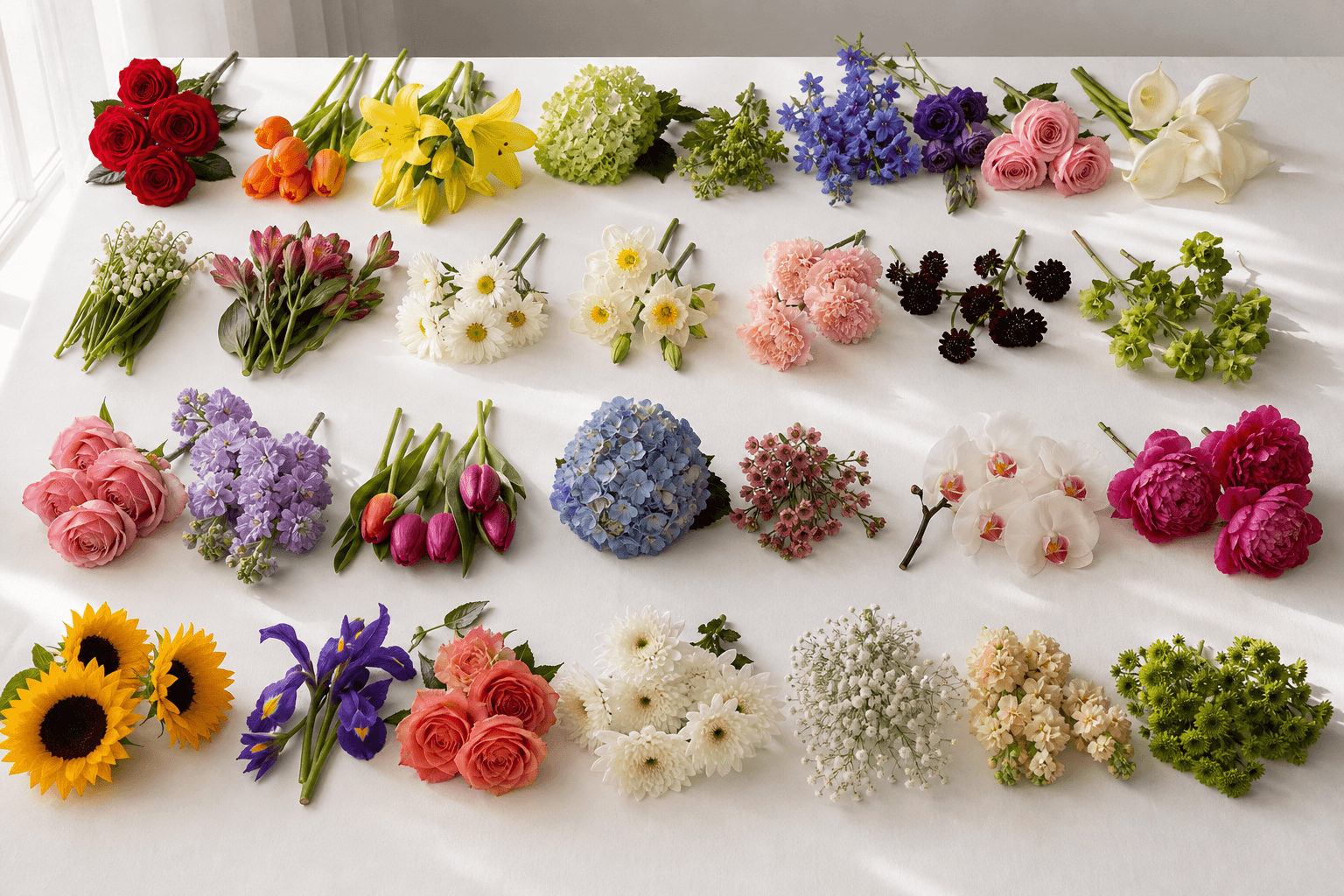
- Alstroemeria: friendship, support, lasting connection.
- Carnation: affection, admiration, remembrance; pink often suggests gratitude.
- Chrysanthemum: cheer, loyalty, sympathy, depending on colour and culture.
- Daisy: innocence, simplicity, fresh starts.
- Gladiolus: strength, integrity, moral courage.
- Hydrangea: gratitude, understanding, heartfelt emotion.
- Iris: faith, wisdom, hope.
- Lily: devotion, sympathy, purity, renewal.
N–Z flower meanings
The N–Z range includes many of the flowers most often used for romance, celebration, and sympathy. Roses and tulips are popular because their meanings are easy to read, but they are not the only choice. Orchids can feel refined and long-lasting. Sunflowers are plainspoken and cheerful. Zinnias and violets have old-fashioned charm, which can be exactly right for a personal, thoughtful gift.
Do not assume expensive always means more meaningful. A compact bouquet of tulips in the recipient’s favourite colour can be more personal than a large arrangement that misses the occasion. Price points should reflect size, season, and flower availability, not just symbolism. Delivery is a separate flat $19.99 CAD with Flowers on Demand, so compare arrangements by the flower budget itself when choosing.
- Orchid: beauty, refinement, admiration, rare affection.
- Peony: romance, prosperity, a happy marriage.
- Rose: love, appreciation, respect; colour changes the message.
- Sunflower: joy, loyalty, optimism.
- Tulip: perfect love, comfort, spring renewal.
- Violet: modesty, loyalty, quiet devotion.
- Zinnia: remembrance, endurance, lasting friendship.
Choosing flowers for Canadian delivery
Flowers on Demand delivers across Canada, including AB, BC, MB, NB, NL, NS, ON, PE, QC, SK, NT, NU, and YT. Orders are fulfilled by a network of local florists who arrange and hand-deliver the flowers in the recipient’s area. That local model helps with freshness and regional availability, but it also means exact stems can vary from one town or province to another.
Same-day delivery is available Monday to Saturday when the order is placed by 1:00 PM in the recipient’s local time. There is no Sunday delivery. Prices are in Canadian dollars, and delivery is a flat $19.99 CAD. Substitutions of similar value and style can happen when a local florist is short a specific stem. This is normal, especially for seasonal flowers or unusual colours.
Use this hub as your meaning map
Start here when you know the feeling but not the flower: love, sympathy, thanks, apology, encouragement, or celebration. Then use the individual guides to check colour meanings, care needs, and common occasions. For example, read the rose guide before sending red or white roses, or check the lily guide before choosing sympathy flowers. The linked pages give more room for details than a quick A–Z list can.
If you are building a card message, keep it simple and direct. The flowers can carry the tone, but the words should carry the personal part. “For your new home,” “With love and remembrance,” or “Thank you for everything this week” will do more than a vague quote. For more stems and background, browse all flower guides.
Common questions
- What flower means love?
- The red rose is the clearest flower for romantic love, especially for anniversaries and Valentine’s Day. Red tulips can also mean deep or perfect love, while pink roses feel softer and more affectionate. For a less traditional choice, orchids can suggest admiration and rare affection.
- What flowers are best for sympathy?
- White lilies, white roses, chrysanthemums, carnations, and soft mixed arrangements are common sympathy choices. The best option depends on the family’s culture, the service setting, and whether the flowers are going to a home or funeral location. When in doubt, choose white, cream, soft pink, or gentle mixed tones and write a clear card message.
- Do flower meanings change by colour?
- Yes, colour can change the message completely. A red rose usually means love, a yellow rose usually means friendship, and a white rose often means remembrance or respect. The same is true for tulips, carnations, lilies, and chrysanthemums, so check both the flower and the colour before ordering.
Arrangements to send
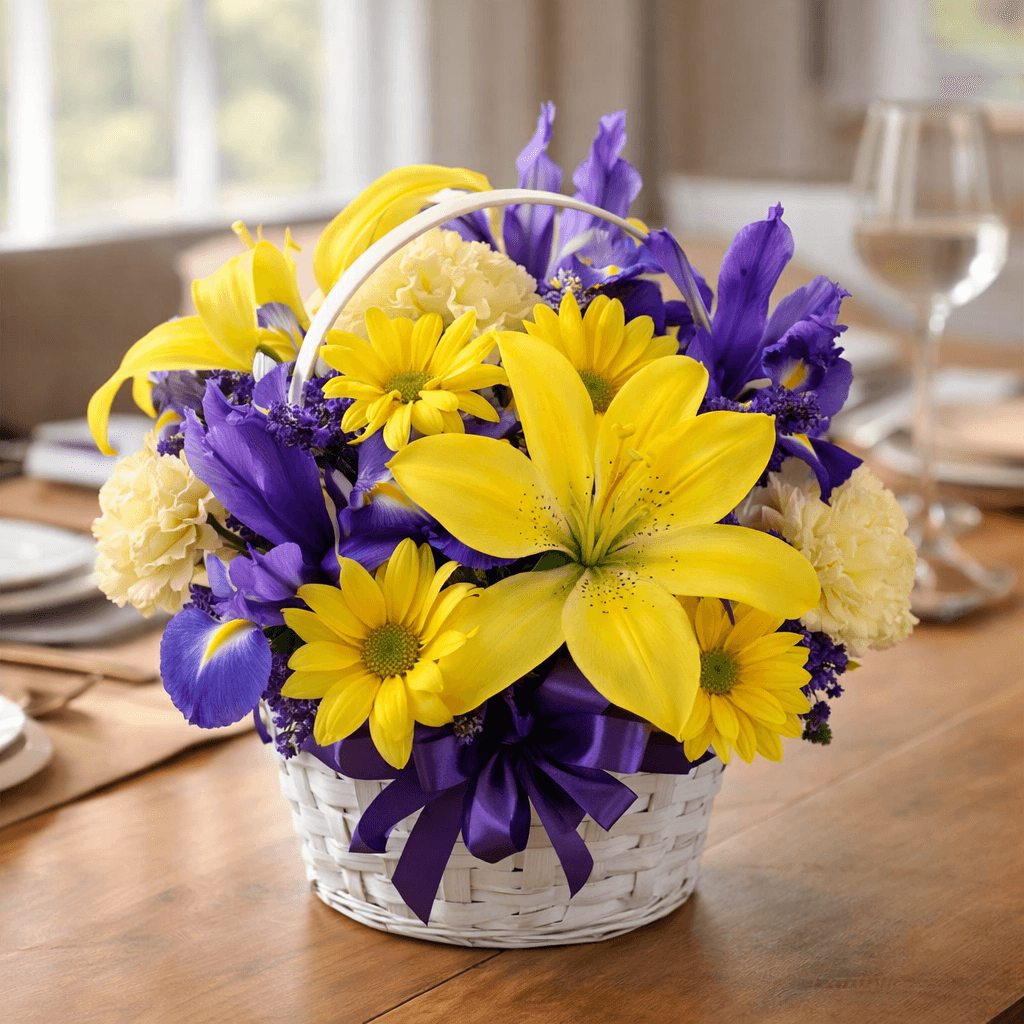
Spirit of Spring
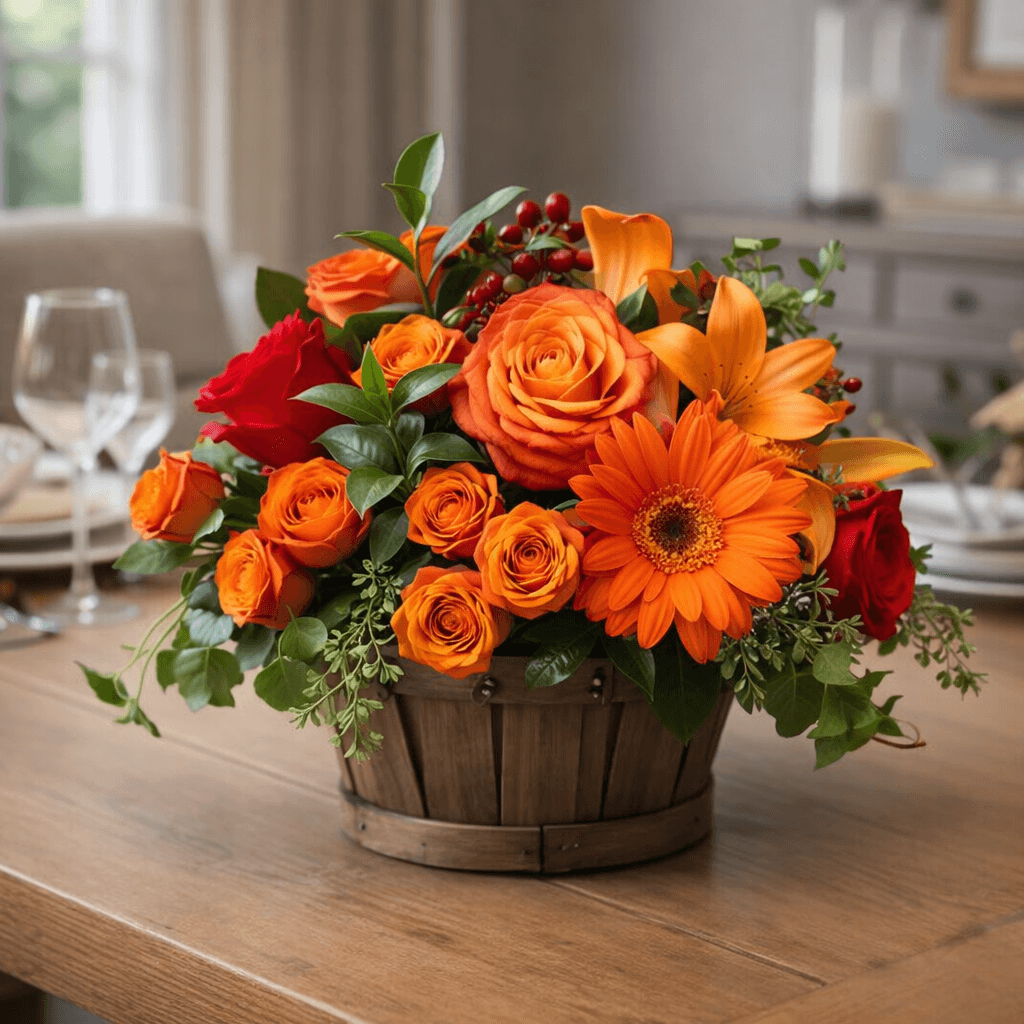
Nature's Bounty Bouquet
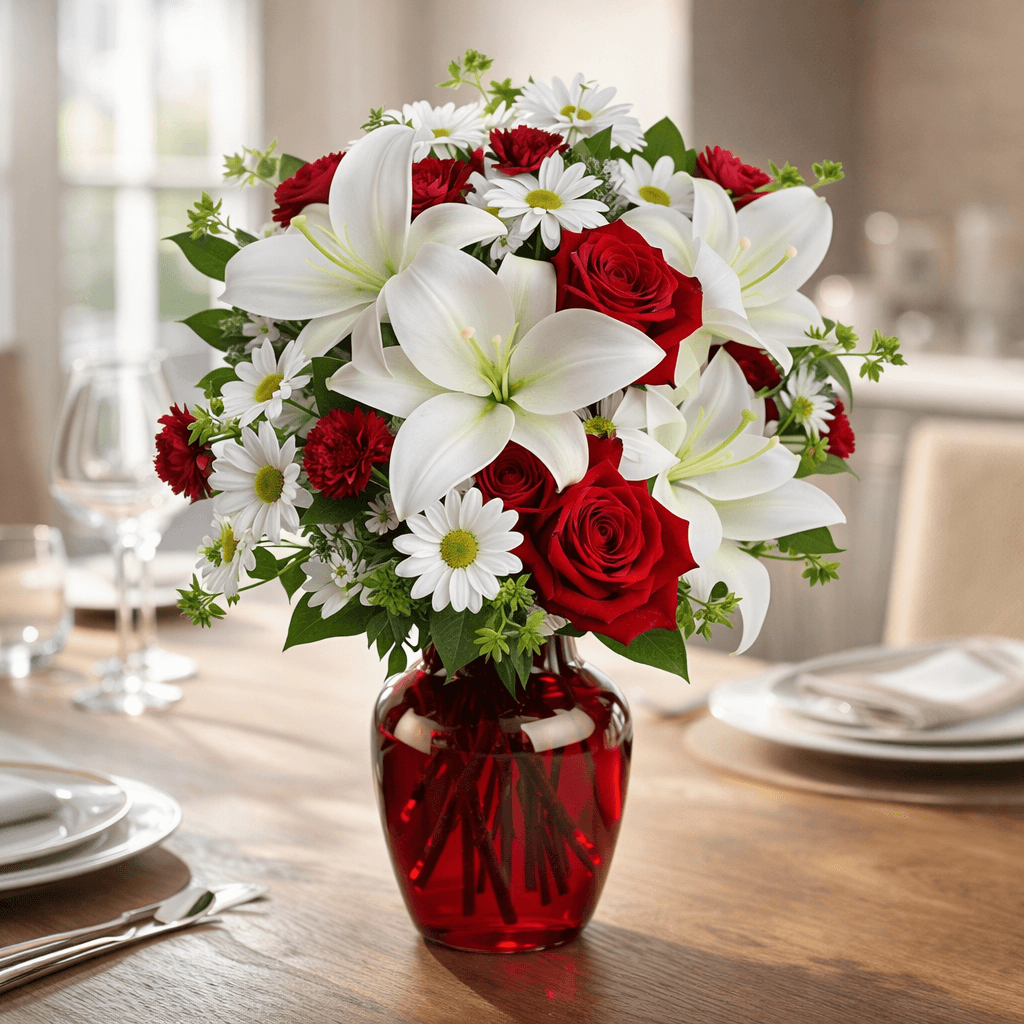
Be My Love
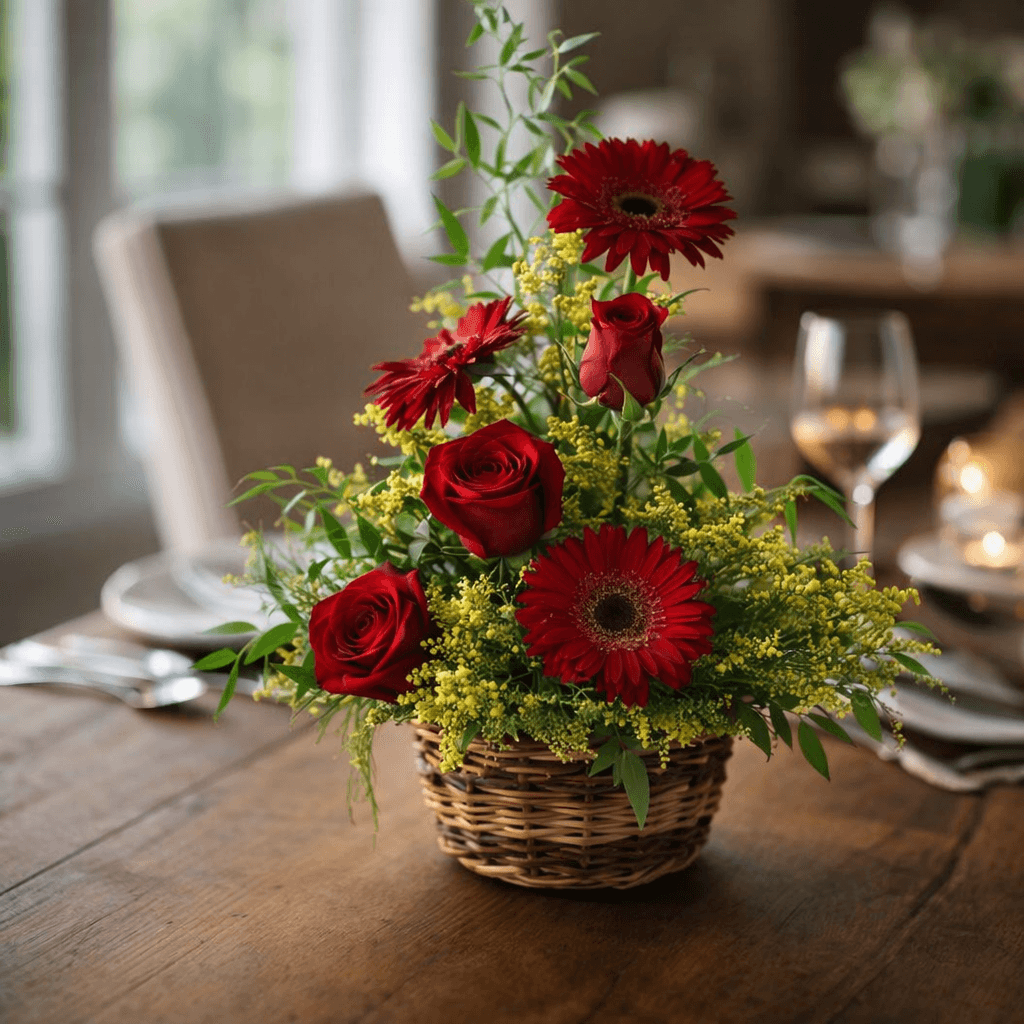
The Bold and Beautiful Arrangement
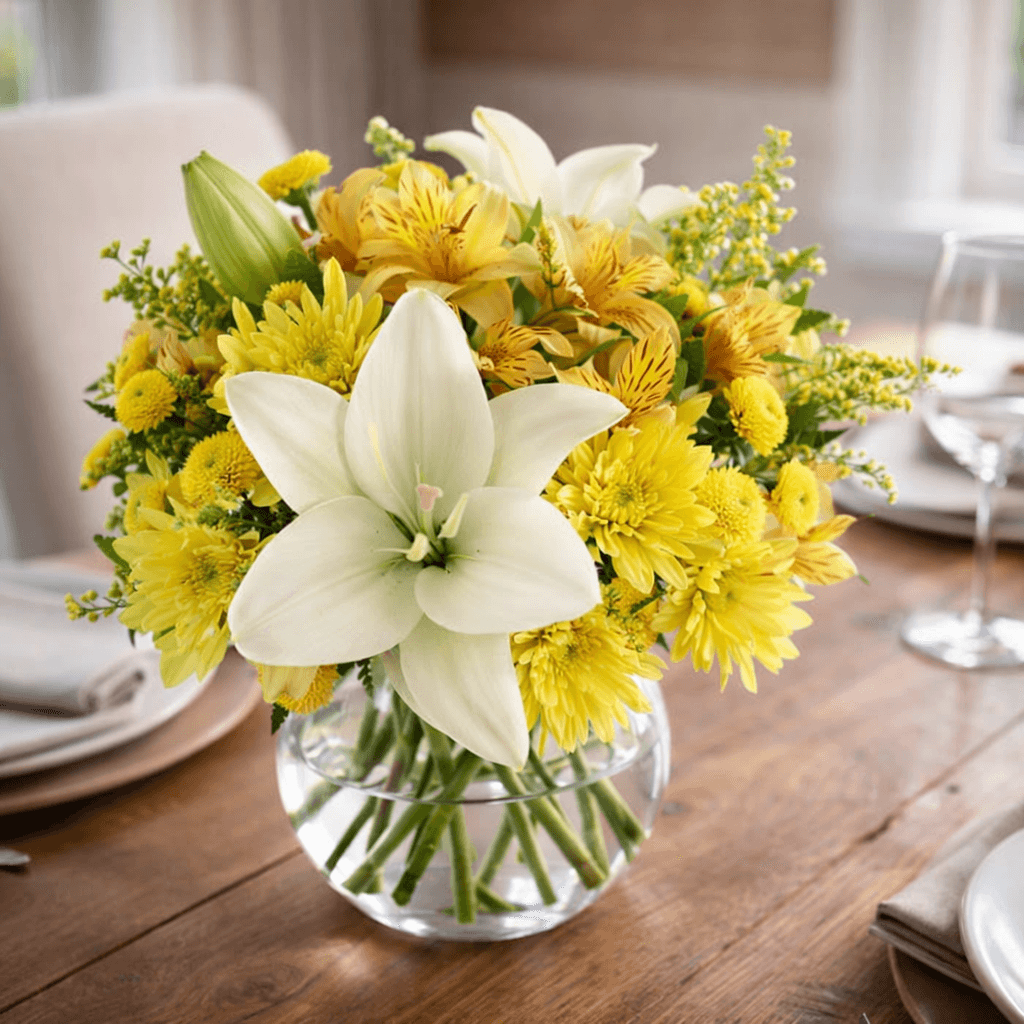
The Your Day Bouquet