June Birth Flower: The Rose and Honeysuckle, and What They Mean
June's birth flowers are the rose, the best-known flower of love, and honeysuckle, the sweet-scented vine of devotion. Here's what both mean, which rose colour fits which birthday, and how to send a June birthday bouquet.
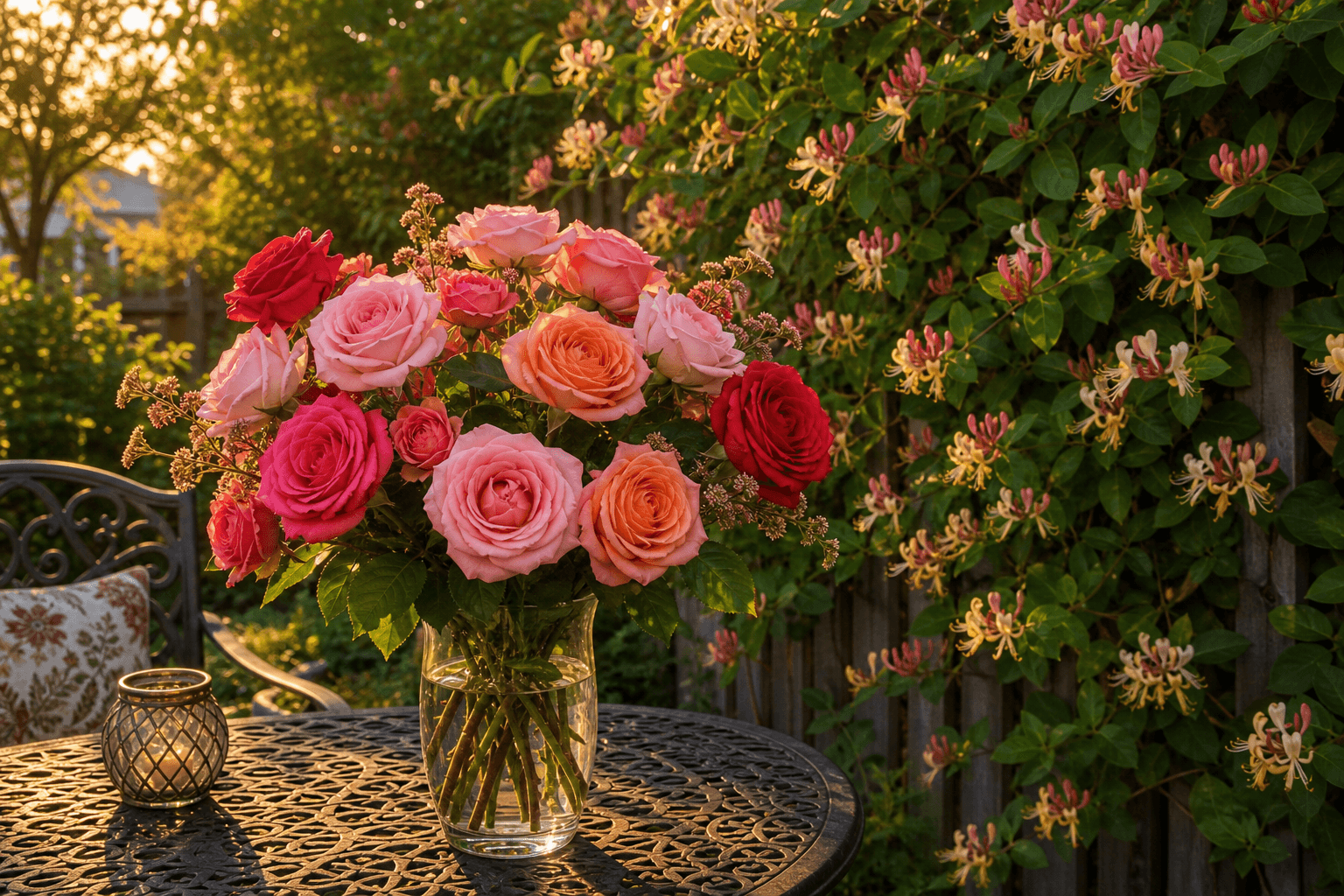
June has two birth flowers: the rose and honeysuckle. June is when garden roses hit their peak across most of Canada, and when honeysuckle vines fill backyards with scent on warm evenings, so the pairing makes sense.
June birthdays are also the easiest of the year to send flowers for, because the rose is the flower every florist stocks. This guide covers what both June flowers mean, how to choose a rose colour, and what to send. Our rose guide lists every arrangement we deliver with roses in it.
What is the birth flower for June?
The rose (Rosa) is June's main birth flower, and honeysuckle (Lonicera) is the second. Some lists swap honeysuckle for other early-summer flowers, but the rose is constant.
Canada has its own rose story. Alberta's provincial flower is the wild rose, Rosa acicularis, adopted in 1930, and it grows wild across much of the country. June's birthstones are the pearl, alexandrite and moonstone, which suit soft pinks, creams and lavenders in a birthday bouquet.
June birth flower meaning: the rose
The rose stands for love, beauty, honour and passion, and it's been a symbol of love in poetry and art for thousands of years. With roses, though, the colour carries most of the message:
- Red: romantic love. Best for a partner's birthday.
- Pink: gratitude, admiration and affection. The most versatile birthday rose. See our pink rose meaning guide.
- Yellow: friendship and joy. An easy choice for a friend or coworker.
- White: new beginnings and respect. Lovely for a June graduate.
- Peach and coral: warmth, thanks and enthusiasm.
- Lavender: enchantment, a romantic alternative to red.
For every shade, including orange, burgundy and mixed bouquets, see our full rose colour meanings guide.
Honeysuckle flower meaning
Honeysuckle stands for the bonds of love, devotion and happiness. In the Victorian language of flowers it meant generous and devoted affection, probably because the vine twines tightly around whatever supports it. Its sweet nectar, the reason children pull the blossoms to taste them, adds a sense of sweetness and summer to the meaning.
Honeysuckle is a garden plant, not a florist's flower. The blossoms wilt quickly once cut, and the vines don't hold up in a vase or in delivery, so you won't find it in a bouquet. If the birthday person is a gardener, a card that mentions honeysuckle goes nicely with roses. Florists can also add soft, scented flowers like stock, or the tiny clustered blooms of spray roses, to give a bouquet some of that garden feel.
If they'd like to grow it, Canada has native honeysuckles, such as the orange-flowered limber honeysuckle, Lonicera dioica. Several non-native shrub honeysuckles are considered invasive in Ontario and other provinces, so a native species or a well-behaved climbing variety from a local nursery is the better pick.
Choosing a June birthday bouquet
Florist roses and garden roses aren't quite the same flower. Florist roses are bred for long, straight stems, tight buds and a long vase life. Garden roses are fuller, often more fragrant and more fragile, which is why the rose bushes blooming in Canadian yards in June rarely make it into a delivery. A florist rose bouquet gives you the meaning and the colour, and it lasts.
A few ideas, by who you're sending to:
- For a partner: The Red Rose Bouquet, red roses with seeded eucalyptus in a classic glass vase.
- For a mom, sister or friend: The Pink Rose Bouquet, soft and warm without being romantic.
- For a coworker or a cheerful friend: The Yellow Rose Bouquet.
- For someone who'd like something different: Fifteen peach roses, or a mix of colours from our roses collection.
June birthdays, weddings and graduations
June is a busy month: weddings, graduations, the end of the school year, and Father's Day on Sunday, June 20, in 2027. A June birthday can get lost in all of that, so a bouquet that clearly says birthday matters. Add a birthday card or a balloon, and if the birthday person is also graduating, a mix of white and their school colours covers both.
Roses are on the ASPCA's non-toxic list for cats and dogs, which makes them one of the safer choices for a pet owner, though the thorns are worth watching. See our flowers safe for cats list for more.
Keeping June roses fresh
Warm June weather is hard on cut flowers, so a little care helps. Recut the stems on an angle as soon as they arrive, use the flower food, strip any leaves below the waterline, and change the water every two days. Keep the vase out of direct sun and away from the fruit bowl. If a rose head droops early, it has usually taken in an air bubble: recut the stem under water and stand it in deep, cool water for an hour. Most roses last five to seven days. Our vase life guide has more tips.
What to write on the card
A line about the flower's meaning turns a June birthday bouquet into something more personal. A few to borrow:
- "Happy birthday! Roses are your birth flower, and you're every bit as lovely."
- "Honeysuckle means the bonds of love. Thanks for being one of mine."
- "Pink roses for all the things I'm grateful for. Happy June birthday."
- "Here's to the person who makes every summer sweeter."
Sending a June birthday bouquet anywhere in Canada
Flowers on Demand delivers across every province and territory through a network of local florists, who arrange and hand-deliver each order. Delivery is a flat $19.99. For same-day delivery, order before 1:00 PM in the recipient's time zone, Monday to Saturday; there's no Sunday delivery.
Start with our birthday flowers, or find the town you're sending to on our delivery cities page. Local florists occasionally swap a stem for one of similar style and value when a flower is short, so if one flower matters most, say so in the card or delivery note.
Other birth month flowers
June follows the May birth flower (lily of the valley and hawthorn) and comes before the July birth flower (larkspur and water lily). See all twelve in our birth month flowers guide.
Common questions
- What is the June birth flower?
- The rose, with honeysuckle as June's second birth flower.
- What does the June birth flower mean?
- The rose stands for love, beauty, honour and passion, with each colour adding its own meaning. Honeysuckle stands for the bonds of love, devotion and happiness.
- What colour rose is best for a June birthday?
- Pink for family and close friends, yellow for friends and coworkers, red for a partner, and white or peach for a softer, celebratory look.
- What does honeysuckle symbolize?
- The bonds of love and devoted affection, from the way the vine twines around its support, plus sweetness and happiness.
- Can a florist deliver honeysuckle?
- No. Honeysuckle wilts quickly once cut and doesn't hold up in a vase, so florists don't use it. A rose bouquet with a fragrant flower like stock is the usual June choice.
Arrangements to send
Fresh
Best Day Bouquet
Splendid
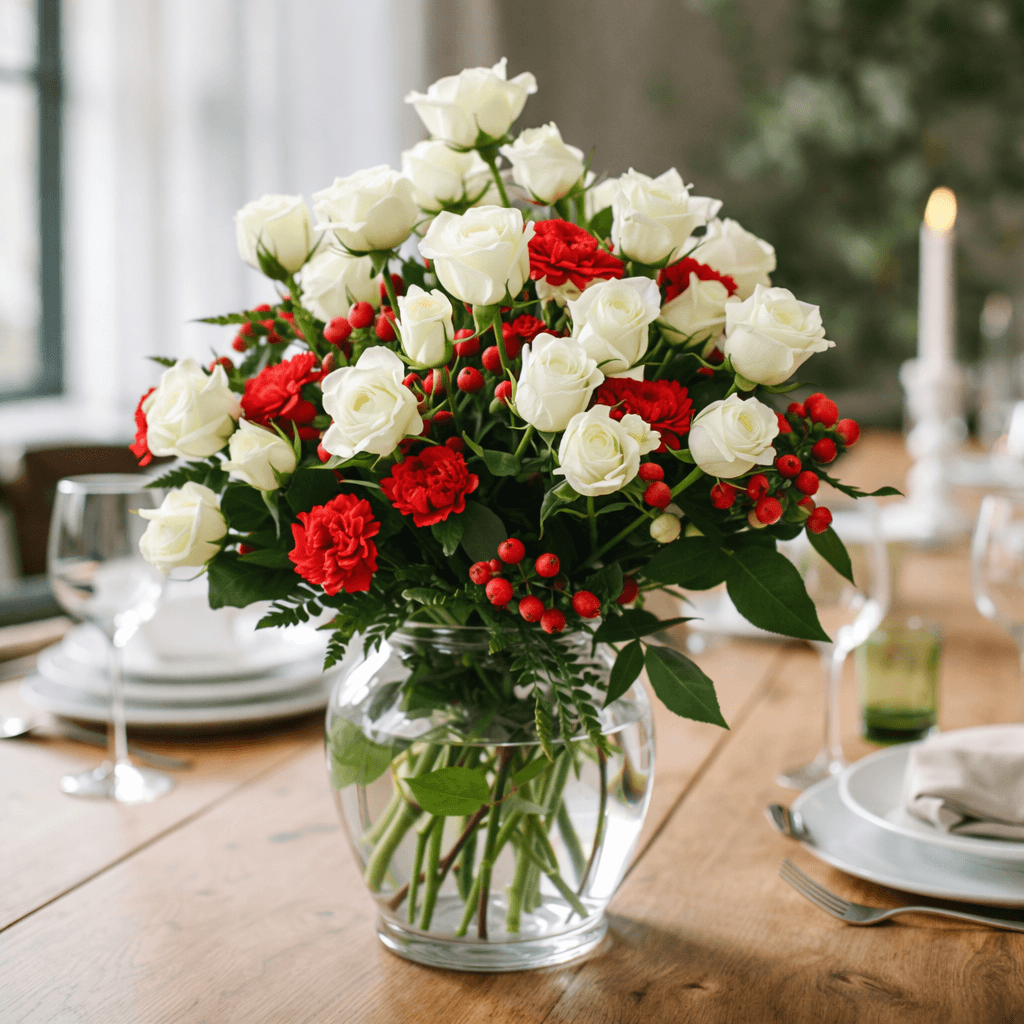
Red and White Bouquet
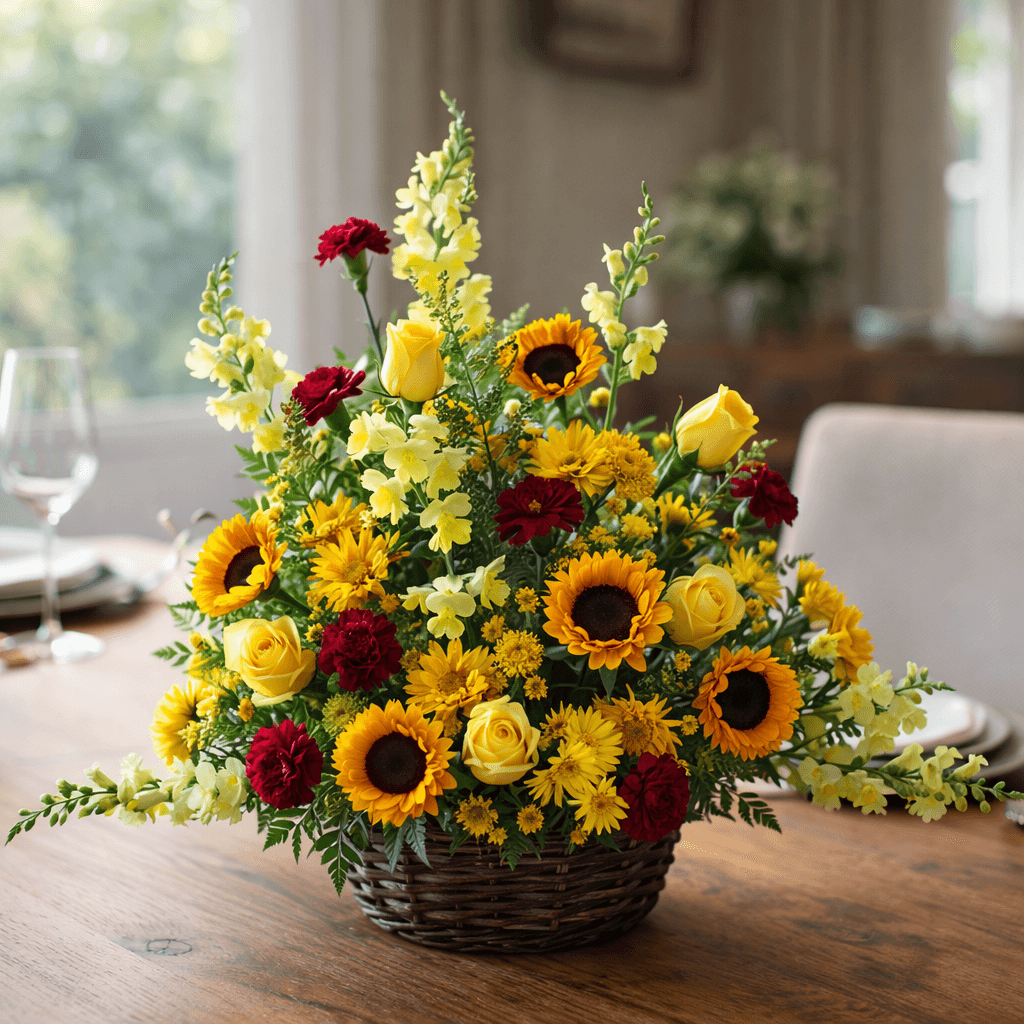
Sun Splash
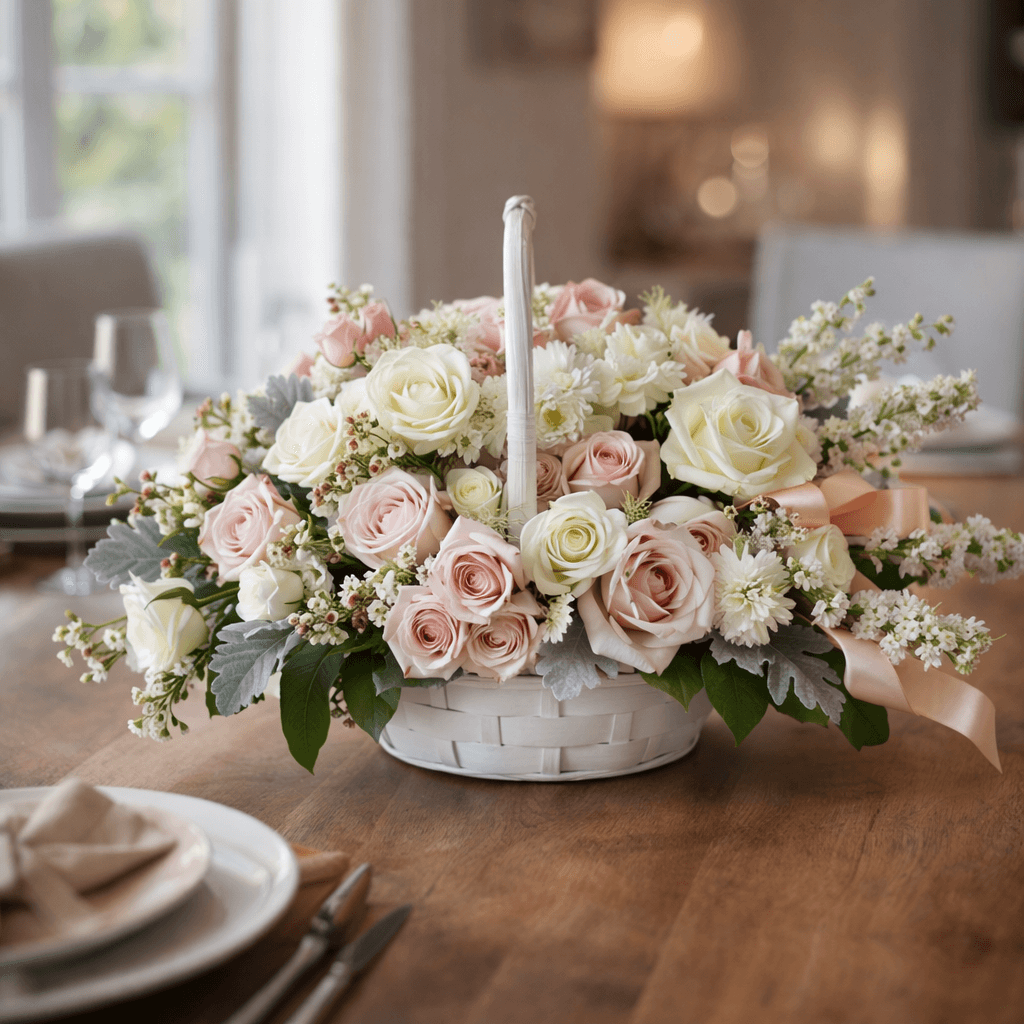
Dawn of Remembrance Basket
Keep exploring
Shop these arrangements
Flower guides
More from the blog
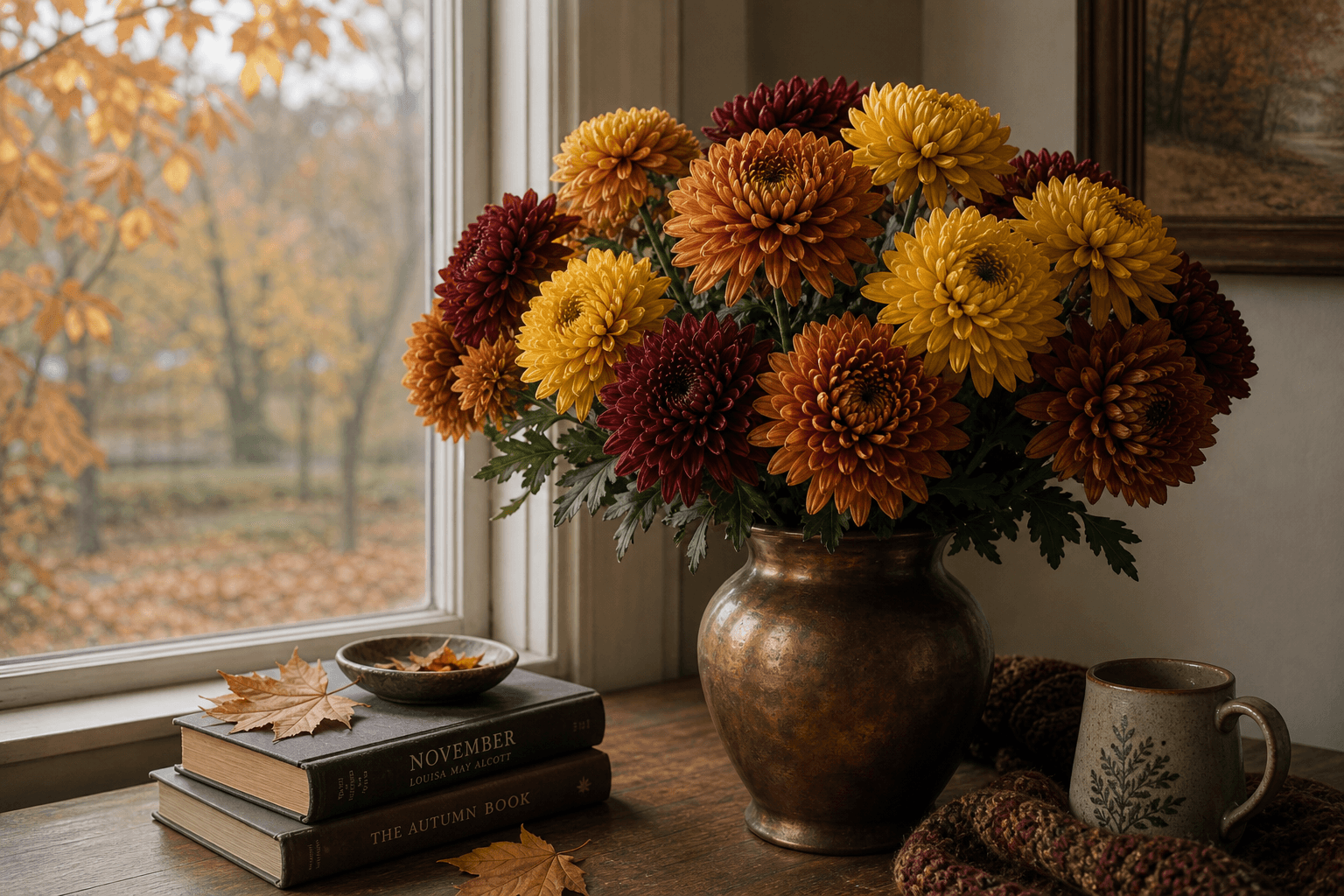
November Birth Flower: The Chrysanthemum and What It Means
November's birth flower is the chrysanthemum: a symbol of friendship and cheer in Canada, of long life in Asia, and of mourning in much of Europe. Here's what it means, colour by colour, and how to give one for a November birthday without sending the wrong message.
February Birth Flower: Violet and Primrose Meaning
February's birth flowers are the violet, a symbol of modesty and faithfulness, and the primrose, the flower of young love. Neither travels well as a cut flower, so here's what they mean and how to build a February birthday bouquet around their purple and yellow.
Hydrangea Meaning: Gratitude, Understanding and Abundance
Hydrangeas mean gratitude, heartfelt emotion, understanding and abundance, with each colour adding its own message. Here's what blue, pink, white and purple hydrangeas say, why soil can change their colour, and how to keep a cut hydrangea from wilting.