Flowers Safe for Cats, and the Ones to Keep Out of the House
Most bouquet flowers will at worst upset a cat's stomach. Lilies are different: a little pollen licked off a cat's fur can cause kidney failure. Here's which flowers are safe, which aren't, and how to send flowers to a home with a cat.
As an Amazon Associate, Flowers on Demand earns from qualifying purchases. Links to Amazon.ca in this article are affiliate links: if you buy through one we may earn a small commission, at no extra cost to you. How we choose links
Cats chew things, and a fresh bouquet on the coffee table is about as tempting as it gets. For most flowers that's a nuisance rather than a danger: the worst a nibble usually does is upset a stomach. One group is different. True lilies can cause fatal kidney failure in cats, and they're some of the most common flowers in sympathy, holiday and mixed bouquets.
This guide sorts the flowers you'll find in a typical arrangement into safe, mildly toxic and dangerous, so you can choose or send flowers to a home with a cat without guessing. The toxicity information comes from the ASPCA Animal Poison Control Center's plant database. It isn't veterinary advice: if your cat has eaten something, call your vet.
Lilies: never bring them into a home with a cat
True lilies (the genus Lilium) and daylilies (Hemerocallis) are toxic to cats, and only to cats. That includes Easter lilies, Asiatic lilies, Oriental lilies like Stargazers, tiger lilies and the LA hybrids florists use in many arrangements. Every part of the plant is dangerous: petals, leaves, stems, pollen and even the water in the vase. A cat that brushes against the flowers and licks the pollen off its fur can be poisoned.
The early signs are vomiting, loss of appetite and lethargy, and the damage is to the kidneys. Treatment works best when it starts within hours, before there are any symptoms at all, which is why vets treat any lily exposure in a cat as an emergency.
Not every flower called a lily belongs in this group, and it helps to know the difference:
- Peruvian lily (alstroemeria): not a true lily, and listed by the ASPCA as non-toxic to cats. It's one of the safer flowers in a bouquet.
- Peace lily and calla lily: not true lilies either, but they contain insoluble calcium oxalate crystals, which cause painful irritation of the mouth, drooling and vomiting. Unpleasant, but not the kidney danger of true lilies.
- Lily of the valley: a separate and serious case. It affects the heart, causing an irregular heartbeat and low blood pressure, and is toxic to dogs as well as cats.
Flowers that are safe for cats
These common florist flowers are listed as non-toxic to cats by the ASPCA. Non-toxic doesn't mean edible: any plant eaten in quantity can cause vomiting, and stems, wires and ribbon bring their own problems. But none of these is poisonous.
- Roses. Safe for cats. The main hazard is thorns, and florists remove most of them. Our rose guide covers the varieties florists use.
- Sunflowers. Safe, and bright enough to cheer up any room.
- Gerbera daisies. Safe, unlike many other daisies (see below).
- Snapdragons. Safe, and they add height to an arrangement.
- Alstroemeria (Peruvian lily). Safe, despite the name.
- Moth orchids (Phalaenopsis). Safe, and a long-lasting plant gift.
- Christmas cactus, spider plants and Boston ferns. Safe houseplants if you'd rather send something living.
- Baby's breath. Listed as non-toxic, though eating it can cause mild vomiting or diarrhea.
Flowers that are toxic to cats, but not lily-level
These are listed as toxic, but the usual result of a nibble is stomach upset, drooling or skin irritation rather than organ damage. Still worth keeping out of reach, and worth a call to your vet if a lot has been eaten:
- Carnations: mild stomach upset and skin irritation.
- Chrysanthemums, including the daisy pompons and fuji mums in many arrangements: vomiting, diarrhea, drooling and wobbliness.
- Tulips, hyacinths and daffodils: the bulbs are the most toxic part, but the cut flowers can cause vomiting and drooling too.
- Hydrangea: vomiting and diarrhea.
- Eucalyptus: a very common filler green. Drooling, vomiting and weakness.
- Amaryllis: vomiting, abdominal pain and tremors.
- Holly and mistletoe: stomach upset. Worth knowing at Christmas, when both turn up in arrangements and décor.
- Poinsettias: irritating to the mouth and stomach, but the ASPCA calls them generally overrated in toxicity. Our poinsettia care guide has more.
- Peace lilies, calla lilies and schefflera: the calcium oxalate group described above.
Sending flowers to someone with a cat
The safest approach is to choose a design built only from safe flowers, rather than a mixed arrangement and a hope. Every product page lists what goes into the arrangement, so check the description for lilies of any kind (Asiatic, Oriental, Stargazer, LA hybrid, Easter or daylily) before you order. A few of ours made entirely from cat-safe flowers:
- Rose Classique: a dozen red roses with garden greens.
- The Enchanting Rose Bouquet: a dozen mixed roses in a clear glass vase.
- Sundance Rose Bouquet: cream, white, orange and pink roses in a glass bubble bowl.
- Yellow Rising: yellow snapdragons, gerbera daisies and spray roses.
Our full roses collection is the easiest place to start, since most of it is roses and greenery. Greenery varies a little from florist to florist; if eucalyptus arrives in the mix, it's easy to pull out. And because florists occasionally swap a stem for one of similar value in busy weeks, it's worth adding "no lilies please, cat in the home" to the delivery note at checkout. The safest choice is still a design with no lilies in it to begin with.
Sympathy arrangements deserve extra care here. White lilies are a staple of funeral and sympathy flowers, and a grieving family with a cat doesn't need a second emergency. For a home delivery, a rose arrangement says the same thing.
Keeping a bouquet and a cat in the same room
Even with safe flowers, a curious cat can knock over a vase or drink the water. A few things help:
- Put flowers where the cat can't get to them, which in practice often means a room with the door closed. Cats can reach most shelves.
- Use a heavy vase with a wide base. A weighted ceramic vase is harder to tip than tall, light glass, and it hides the water.
- Change the water often. Cats like drinking vase water, and flower food sachets aren't meant for pets either.
- Give them something they're allowed to chew. A pot of cat grass takes some of the interest off the bouquet.
- Sweep up fallen petals, leaves and pollen as they drop.
If your cat has eaten part of a lily
Treat it as an emergency, even if your cat seems completely fine. Call your vet or the nearest emergency animal hospital right away, and take the plant or a photo of it with you. You can also call the ASPCA Animal Poison Control Center at (888) 426-4435; a consultation fee may apply. Don't try to make your cat vomit at home unless a vet tells you to.
Common questions
- Are roses safe for cats?
- Yes. Roses are listed as non-toxic to cats by the ASPCA. The main risk is the thorns, and florists remove most of them before arranging.
- Which flowers are poisonous to cats?
- True lilies and daylilies are the most dangerous, causing kidney failure. Lily of the valley affects the heart. Carnations, chrysanthemums, tulips, daffodils, hydrangeas, eucalyptus, amaryllis, peace lilies and calla lilies are toxic too, but usually cause stomach upset or mouth irritation.
- Is lily pollen dangerous to cats?
- Yes. Every part of a true lily is toxic to cats, including the pollen and the vase water. A cat that licks pollen off its fur can be poisoned, so any exposure should be treated as an emergency.
- Are sunflowers safe for cats?
- Yes. Sunflowers are listed as non-toxic to cats, as are gerbera daisies, snapdragons, alstroemeria and moth orchids.
- Is baby's breath toxic to cats?
- The ASPCA lists baby's breath as non-toxic, but notes that eating it can cause mild vomiting or diarrhea.
Arrangements to send
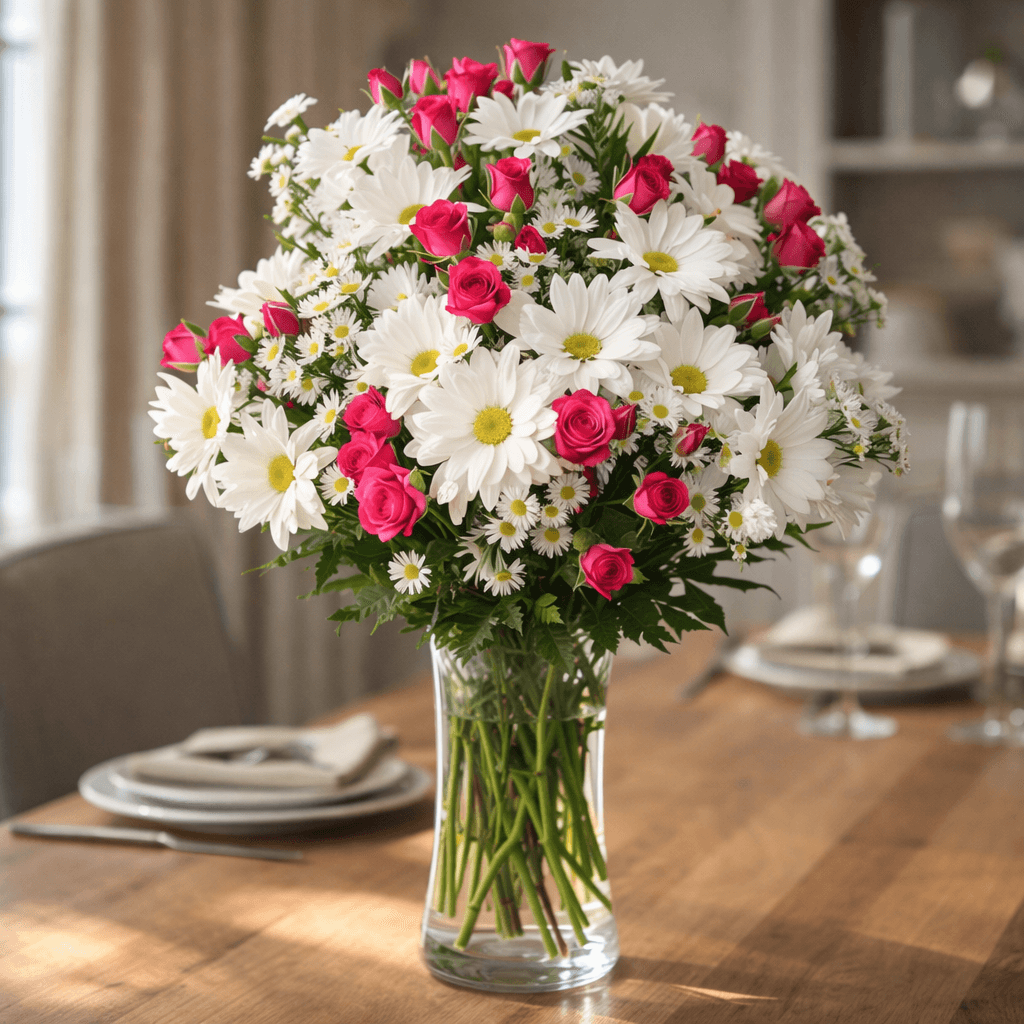
Fresh
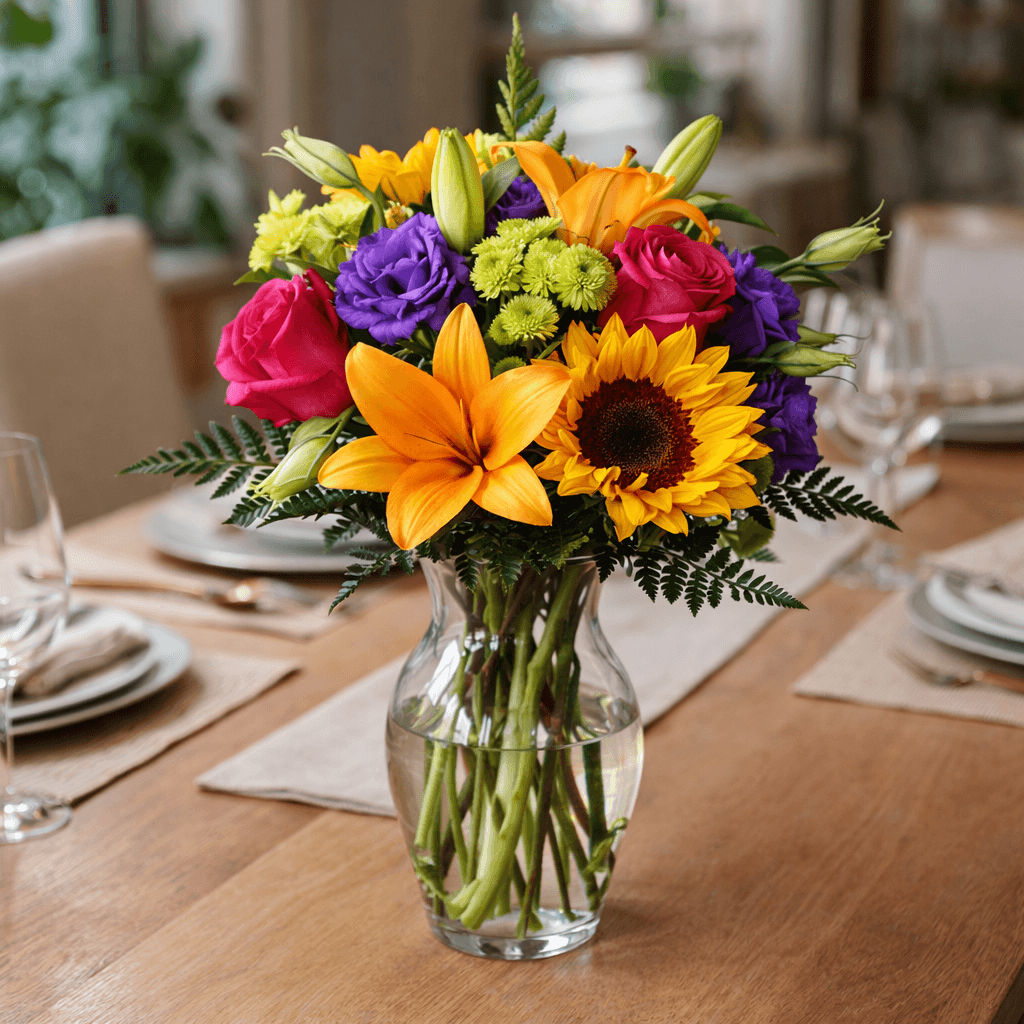
Best Day Bouquet
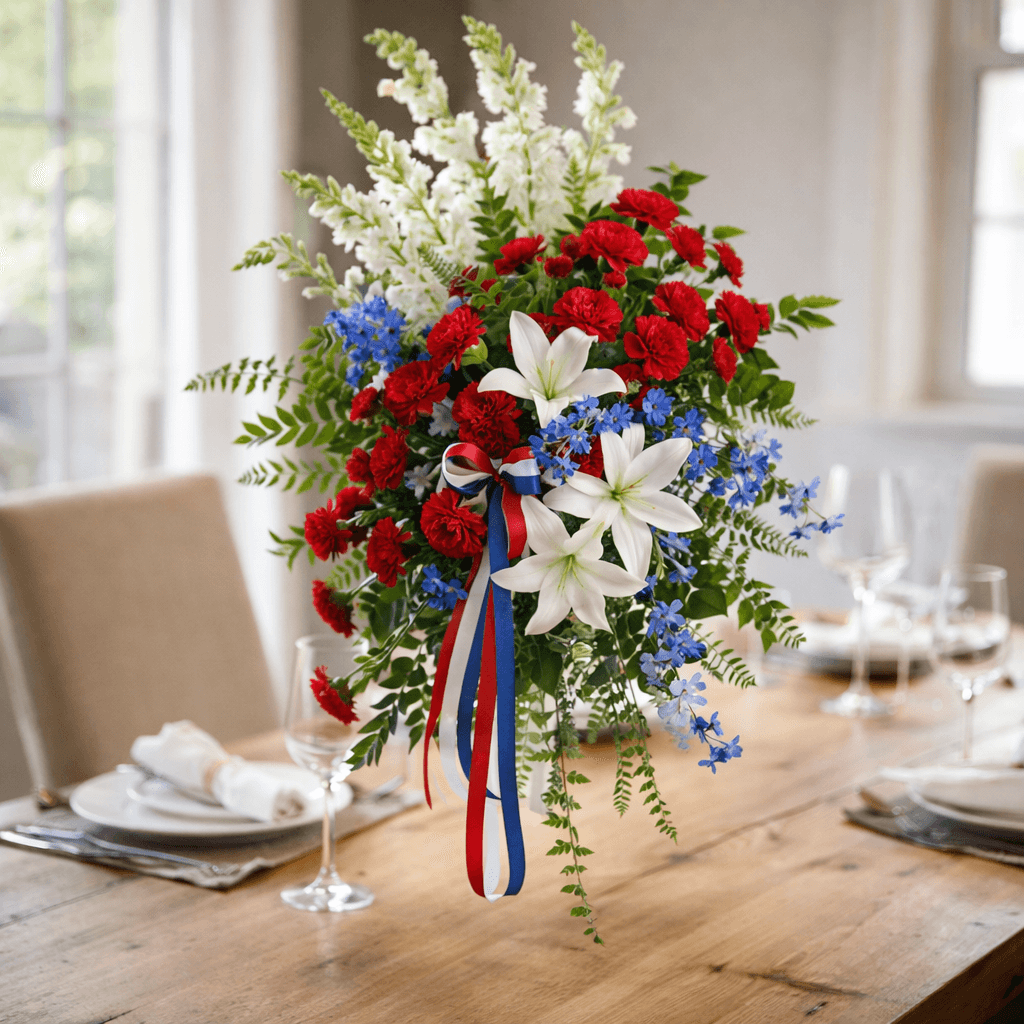
Sacred Duty Spray
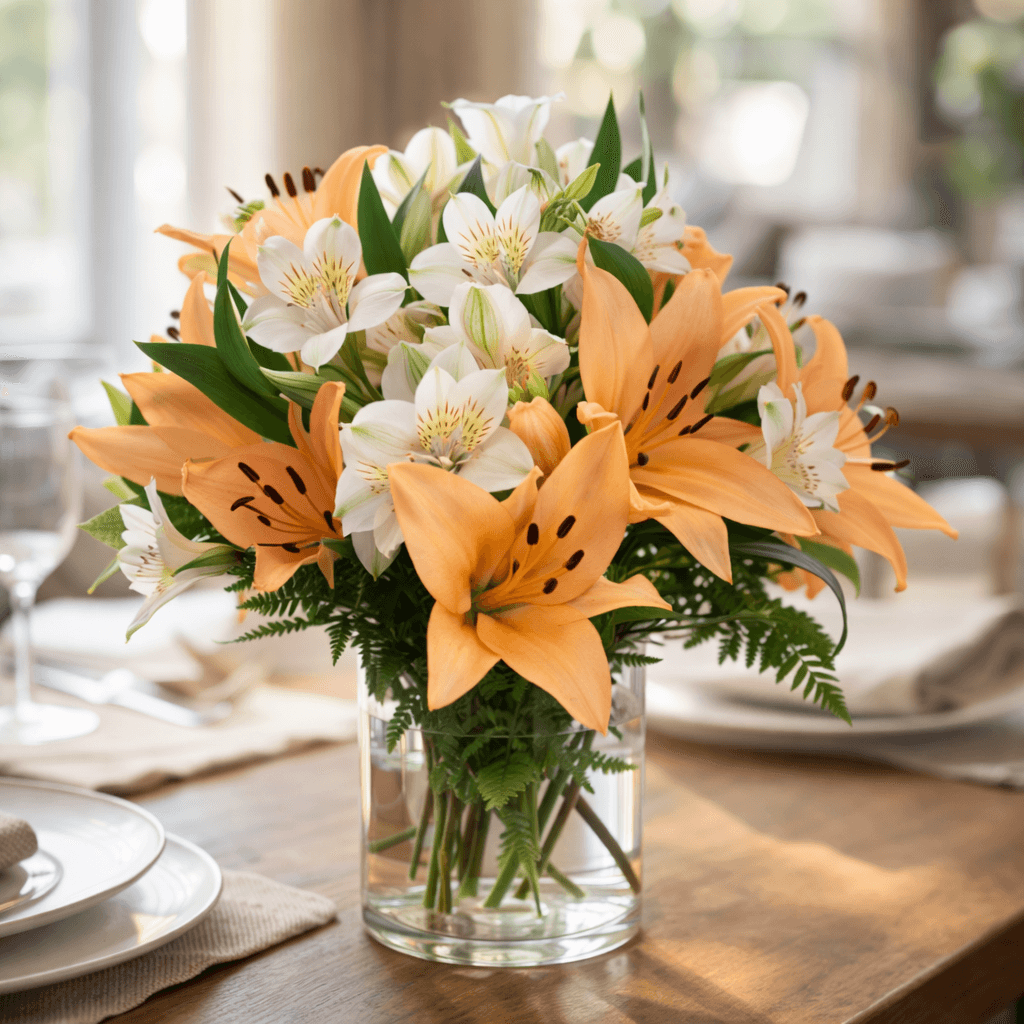
Lively Flower Arrangement
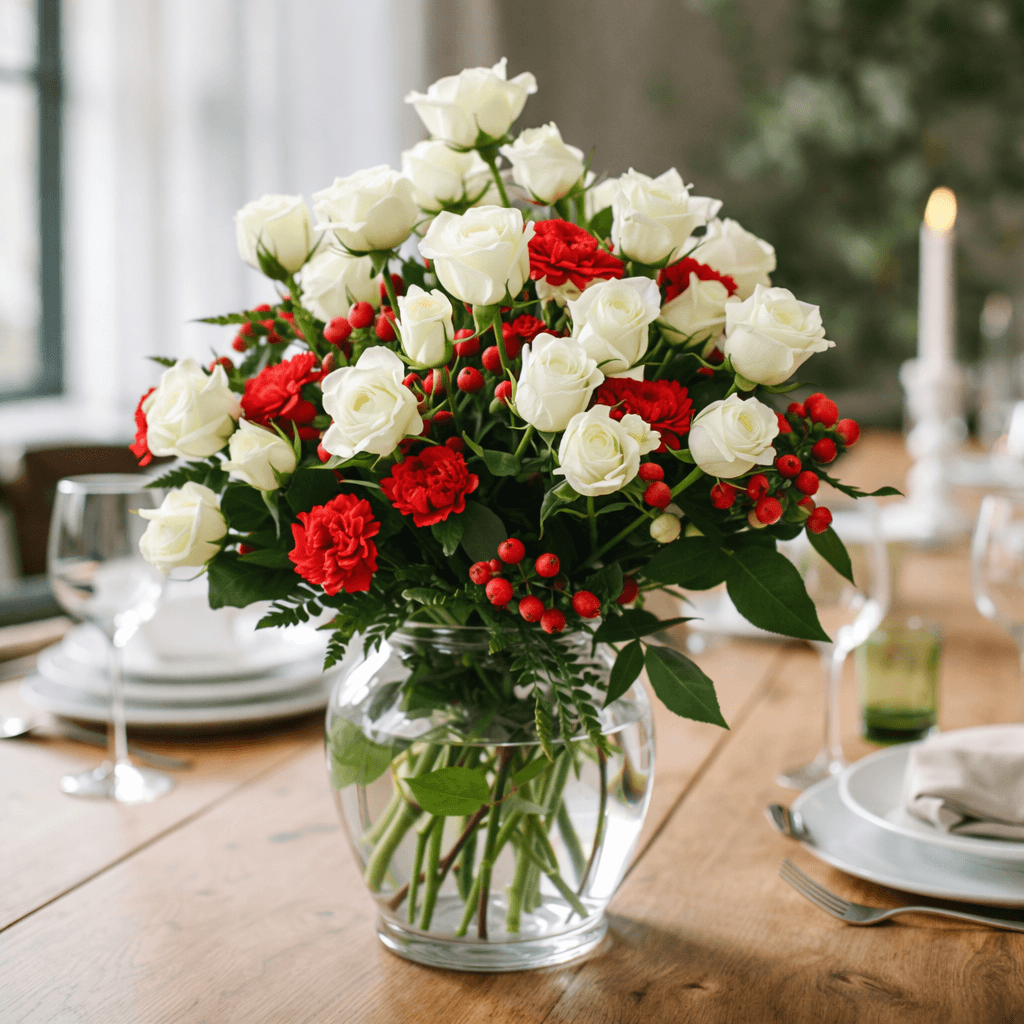
Red and White Bouquet
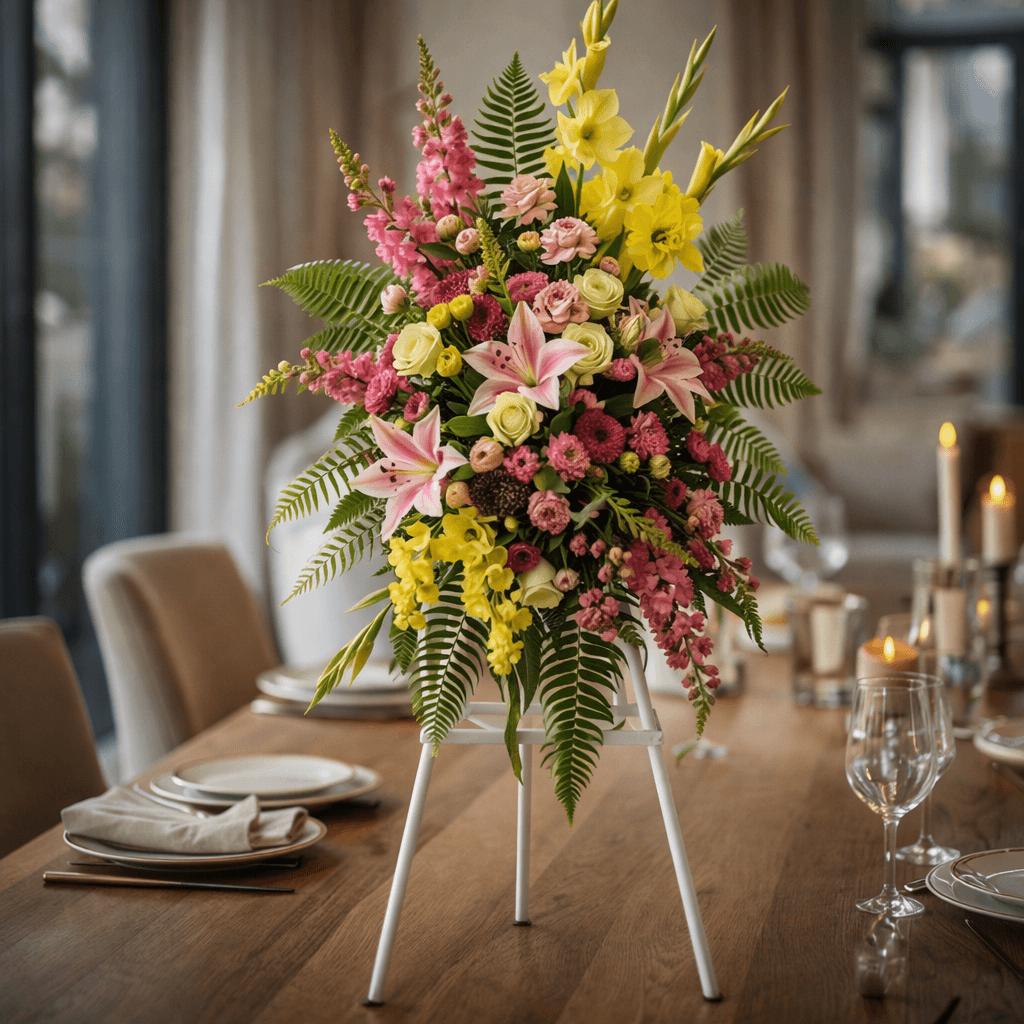
Rays of Light Spray
Keep exploring
Shop these arrangements
More reading
Browse by colour
More from the blog
Poinsettia Care: How to Keep One Looking Good Past New Year's
Most poinsettias that die before January are killed by two things: cold on the way home and too much water. Here's how to keep one looking good in a dry, heated Canadian house, and how to make it colour up again next year.
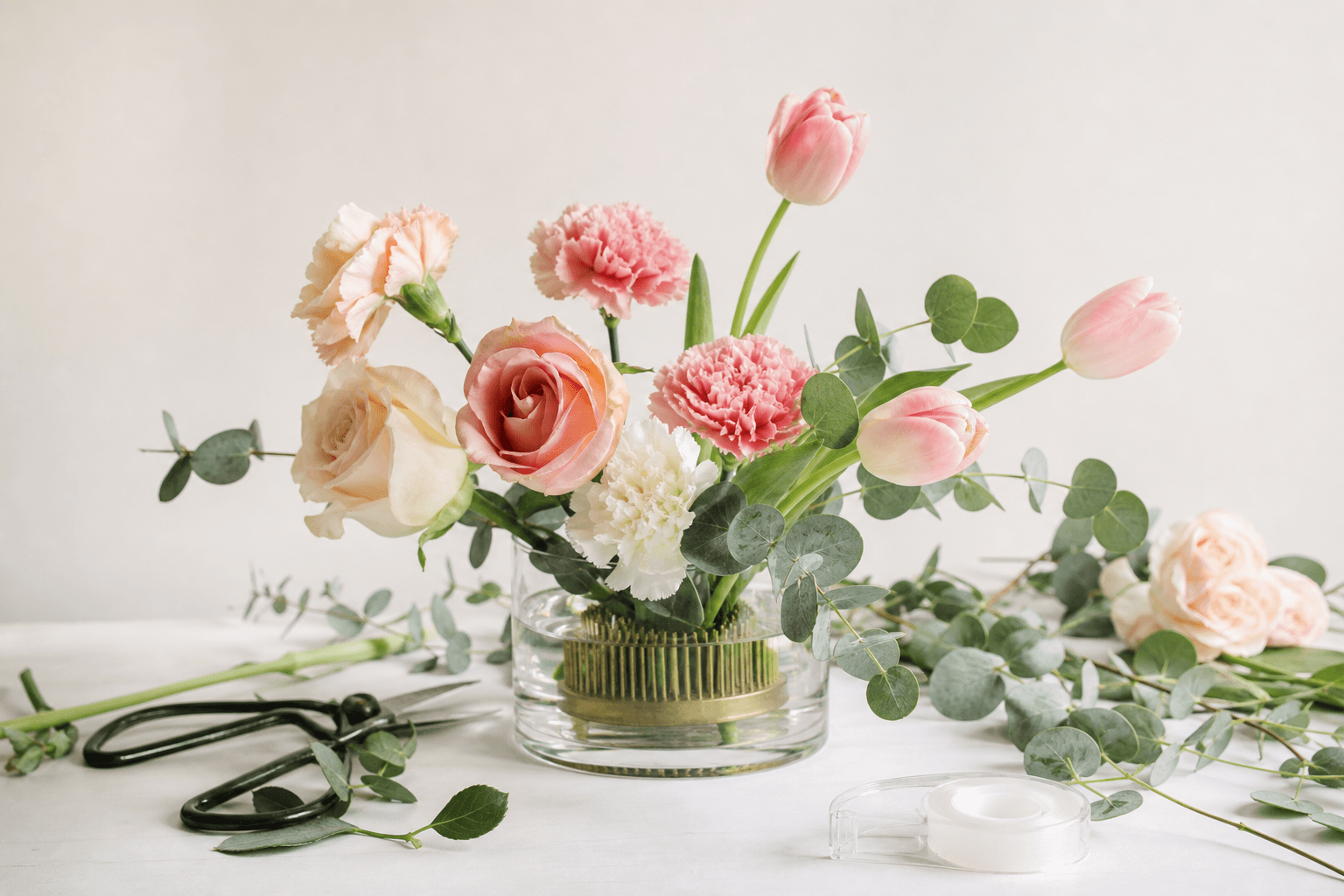
What Is a Flower Frog? How to Use One in a Vase
A flower frog holds stems in place without floral foam. This guide explains pin, cage and glass frogs, plus tape grids and chicken wire for low bowls and everyday vases.
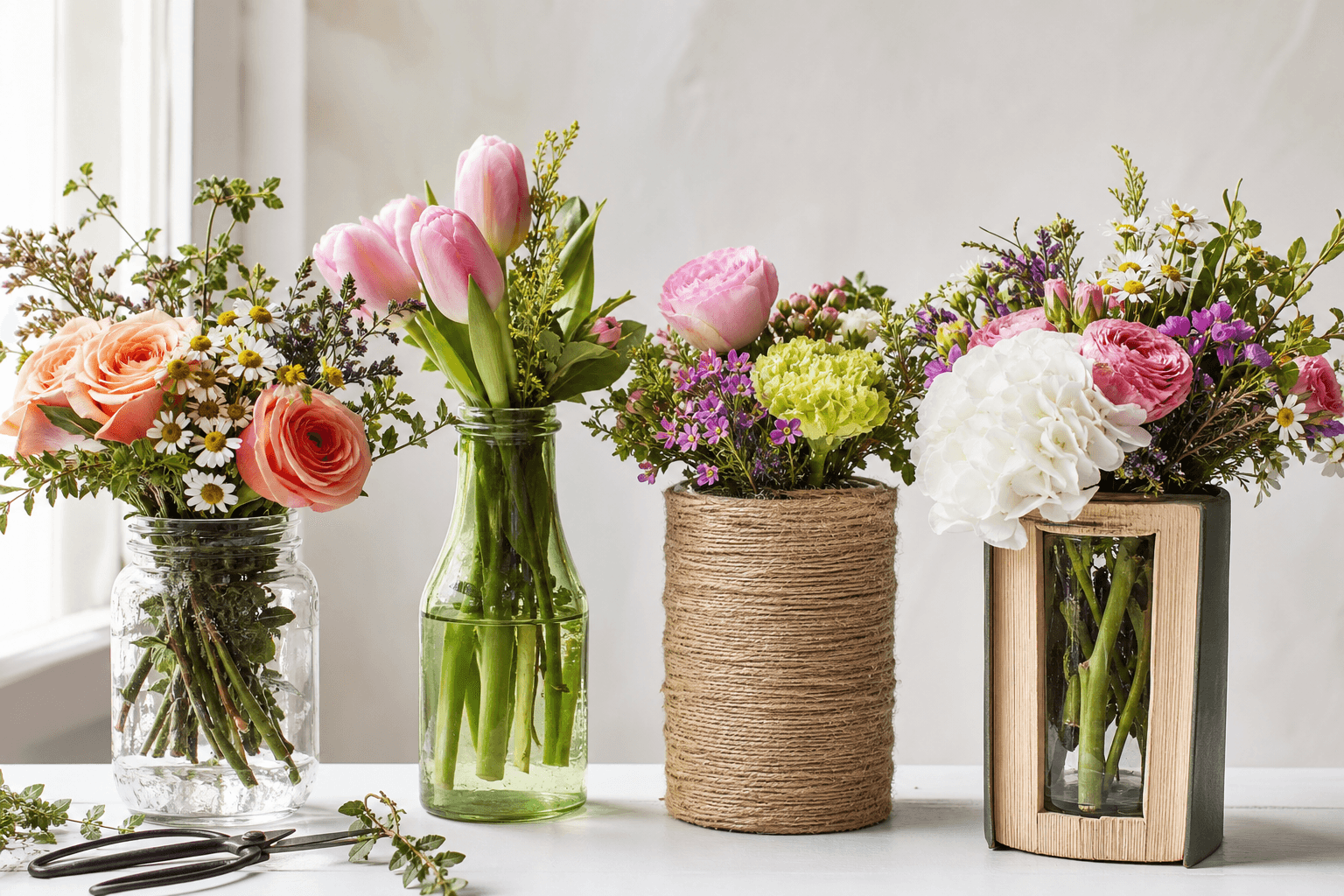
How to Make a DIY Flower Vase From Things You Already Own
Turn jars, bottles, tins and even old books into usable flower vases. The key is choosing the right insert, keeping water contained, and matching the vessel to the flowers.