What Is a Flower Frog? How to Use One in a Vase
A flower frog holds stems in place without floral foam. This guide explains pin, cage and glass frogs, plus tape grids and chicken wire for low bowls and everyday vases.
As an Amazon Associate, Flowers on Demand earns from qualifying purchases. Links to Amazon.ca in this article are affiliate links: if you buy through one we may earn a small commission, at no extra cost to you.
The simple job a frog does
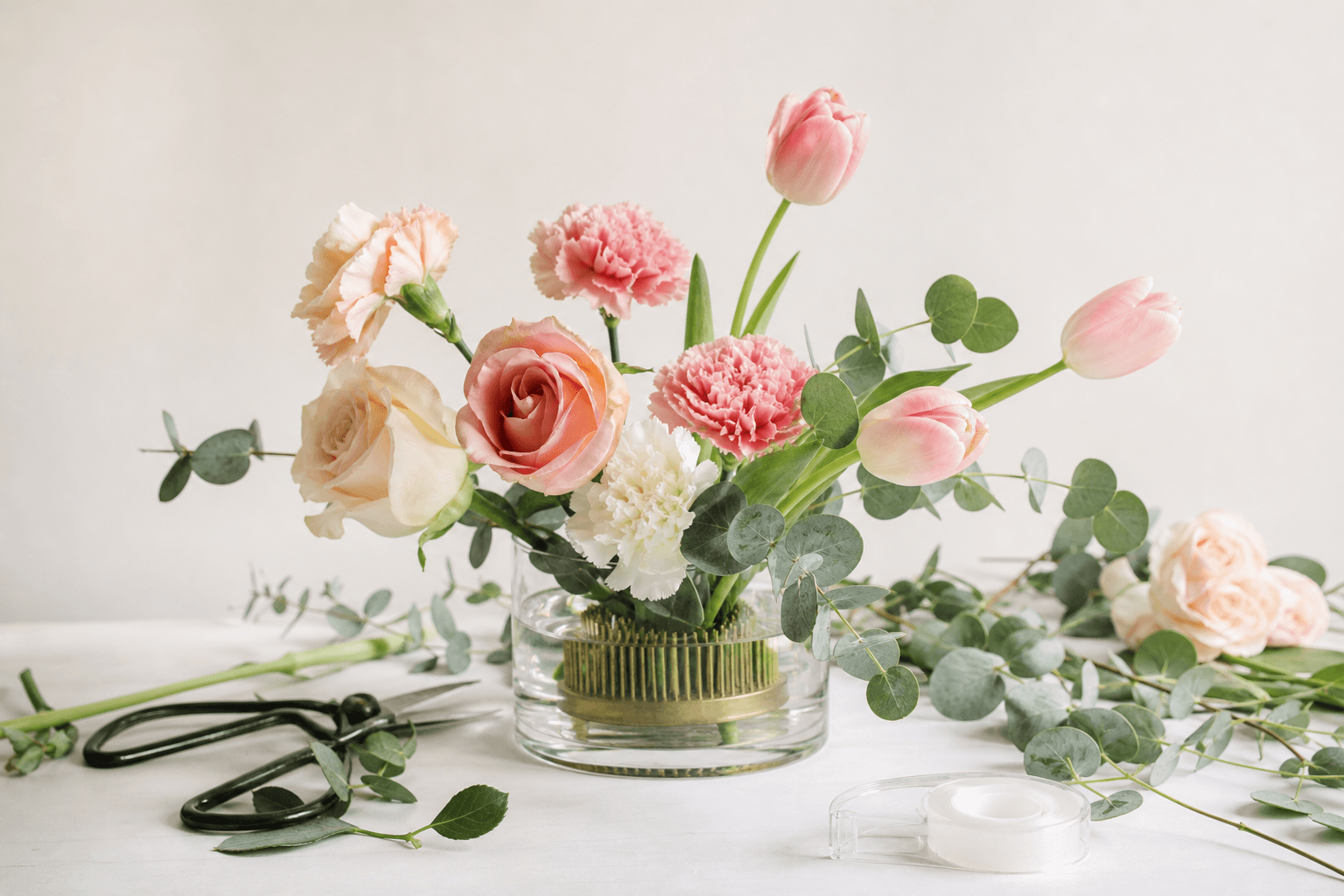
A flower frog vase is a vase or bowl set up with a stem holder in the bottom or across the opening. The frog keeps stems exactly where you place them, so roses, tulips, mums or greenery do not fall to one side. It is most useful in low bowls, wide cylinders and loose garden-style designs, where a normal tall vase is not enough support. It also gives you a foam-free way to make small table arrangements with fewer stems, because each stem can be angled and spaced deliberately instead of packed tightly.
The main types are pin frogs, cage frogs and glass frogs. A pin frog, also called a kenzan, has short metal pins that grip cut stems from below. A cage frog is a small metal or plastic cage that stems pass through. A glass frog has holes in a clear or coloured disk, and suits vintage vases as much as practical arranging. If you do not have a frog, a tape grid or chicken wire can do the same job in many arrangements, especially in opaque vases where the support is hidden.
Pin frogs, kenzan and sturdy stems
Pin frogs are the most precise choice for low bowls, ikebana-style lines and arrangements where you want each stem set at a clear angle. The weight matters because the frog has to stay put while stems push against it. A set of round pin frogs gives several sizes, from small frogs for a single shallow dish to larger ones for fuller bowls. They suit woody stems, chrysanthemums, carnations, roses, iris and firm greenery. Very soft stems, such as some ranunculus or hollow tulips, may need a gentler angle so the pins do not split them.
To use one, fill the vase with clean water first only if the frog does not need to be stuck down. Cut stems cleanly, strip off leaves below the water line and press the cut end straight onto the pins before leaning it into position. Good cuts matter, so use floral shears such as Leize flower scissors instead of dull kitchen scissors that can crush stems. If a stem feels unstable, cut it slightly shorter and reset it deeper into the pins rather than forcing it sideways.
Cage frogs and glass frogs
Cage frogs are useful when you want more holding power than a tape grid but less piercing than a pin frog. Stems slide through the openings and lean against the cage, so the shape helps make a rounded mound of flowers. They work well for short roses, spray mums, alstroemeria, mini carnations, eucalyptus and salal. The common mistake is choosing a cage that nearly fills the vase opening; then every stem stands upright and crowded. Leave some space around it so stems can cross and angle naturally, especially if the design is meant to look loose rather than domed.
Glass frogs are less aggressive and often prettier in a clear vase, but they need stems that fit their holes. They are good for daffodils, tulips, sweet peas, single stems of stock, short greenery and small mixed bunches. For a table design you can see over, a low clear cylinder such as the YOUEON wide low cylinder vase suits short-stemmed blooms, floating flowers and compact centrepieces. A glass frog inside that shape can look intentional, not like hidden hardware, because the frog becomes part of the arrangement.
Foam-free alternatives: tape grids and chicken wire
A tape grid is the easiest substitute if you are learning how to use a flower frog in a vase and do not want to buy a frog yet. Dry the rim, run narrow strips of waterproof tape across the opening in one direction, then cross them the other way to make squares. Clear floral tape is useful on glass because it disappears better than green tape. Put the heavier stems through the central squares first, then use the outer squares for softer flowers and greenery. Do not make the grid too tight, or stems will sit stiffly upright.
Chicken wire is the florist-style support for loose, garden-inspired designs in opaque vases. Make a soft ball, tuck it inside the container and tape it across the top if needed so it does not lift when stems are pulled out. A floral chicken wire roll is suited to bowls and ceramic vases where you want stems held without floral foam. For tall straight flowers such as long roses, lilies or branches, support may be more about vase shape; a tall glass cylinder vase gives the stems a straight wall to lean against.
Choosing the right flower frog vase shape
The best flower frog vase depends on height, width and how visible the mechanics will be. A low bowl needs a heavy pin frog or chicken wire because stems have little wall support. A narrow cylinder often needs no frog at all if the stems are long and naturally supported by the sides. A wide clear vase looks better with a glass frog or clear tape grid than with visible chicken wire. As a rule of thumb, if the opening is wider than your hand and the arrangement is short, plan some kind of support before you start cutting.
To secure a frog in a low vase, start with a clean, dry base. If the frog has a rubber base or enough weight, set it in dry, test it with a few stems, then add water gently down the side. If it slides, use florist putty under the dry frog, or make a discreet tape bridge over the frog and onto the inner wall of an opaque bowl. The part many people get wrong is trying to stick anything to a wet vase. Adhesives and tape fail quickly on wet glass, and the frog starts moving just when the arrangement gets heavy.
Which arrangements are worth the effort
Flower frogs are worth using for low dining table pieces, asymmetrical ikebana-style designs, short garden arrangements and any wide vase where stems keep drifting. They are less necessary for tightly gathered bouquets in a narrow vase. If you want a ready-made design instead of arranging at home, our vased arrangements arrive already designed by a local florist, and our centerpieces are made for table placement. For example, Silver Elegance Centerpiece at $79.95 CAD makes sense when you need a finished low arrangement rather than supplies.
For a gift that should arrive already in water, Eighteen carnations in a clear vase at $79.95 CAD is a practical choice because carnations are sturdy and long-lasting with normal care. Enchanted Cottage at $84.95 CAD is better when you want a softer mixed look. Flowers on Demand delivers across Canada, including AB, BC, MB, NB, NL, NS, ON, PE, QC, SK, NT, NU and YT, through a network of local florists. Delivery is a flat $19.99 CAD, and same-day delivery requires ordering by 1:00 PM in the recipient's local time, Monday to Saturday. There is no Sunday delivery, and substitutions of similar value and style can happen when a florist is short a specific stem.
Common questions
- Can I use a flower frog in any vase?
- Not every vase is a good fit. Flower frogs work best in low bowls, wide vases and containers with enough flat space for the frog to sit securely. Very narrow vases usually support stems on their own, while very uneven bases can make a pin frog wobble.
- Are flower frogs better than floral foam?
- They are better when you want a reusable, foam-free support and you are willing to place stems one at a time. Floral foam can be convenient for some dense professional designs, but many home arrangements do well with a pin frog, tape grid or chicken wire. The right choice depends on the container, the flower stems and how structured the design needs to be.
- How do I clean a pin flower frog?
- Rinse it after use, remove plant bits from between the pins and let it dry fully before storing. A small brush helps loosen debris around the pins. Handle it carefully, because the pins are sharp enough to prick fingers and can bend if dropped.
Arrangements to send
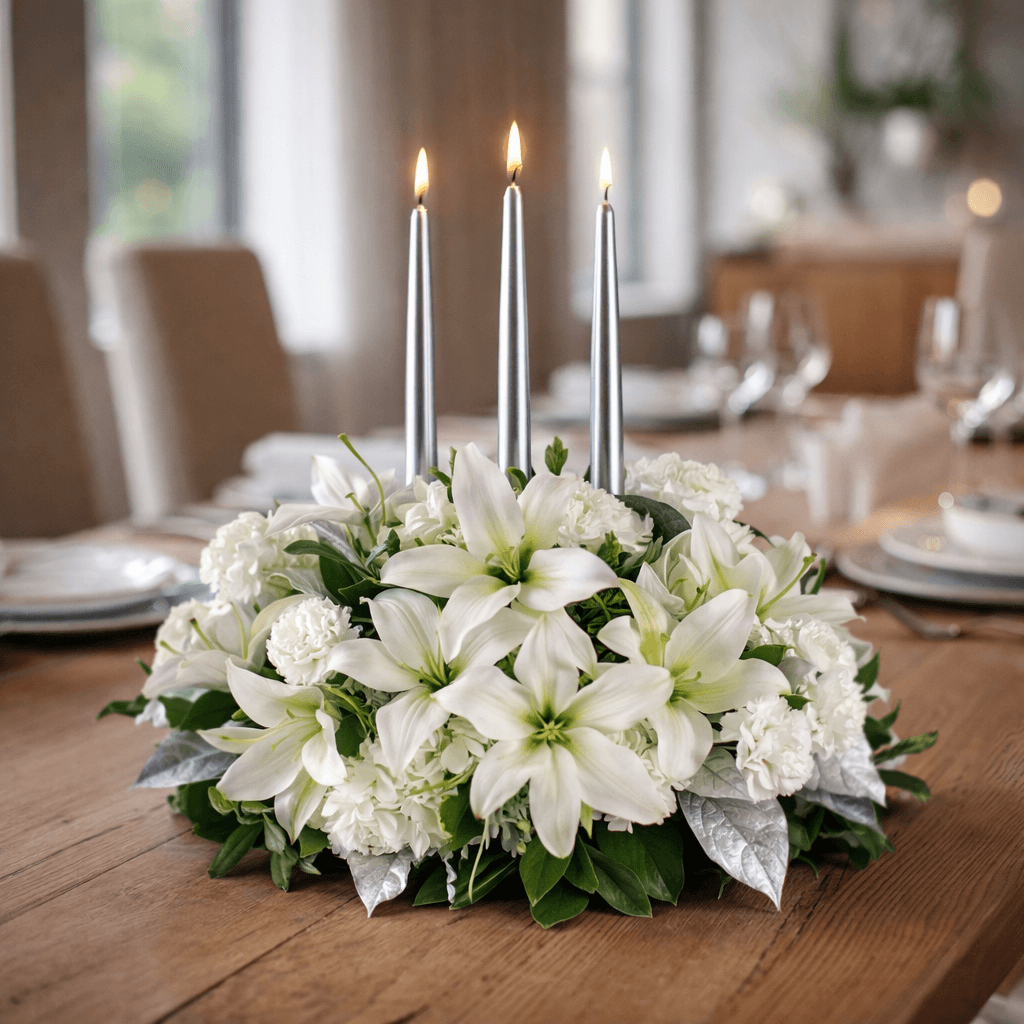
Silver Elegance Centerpiece
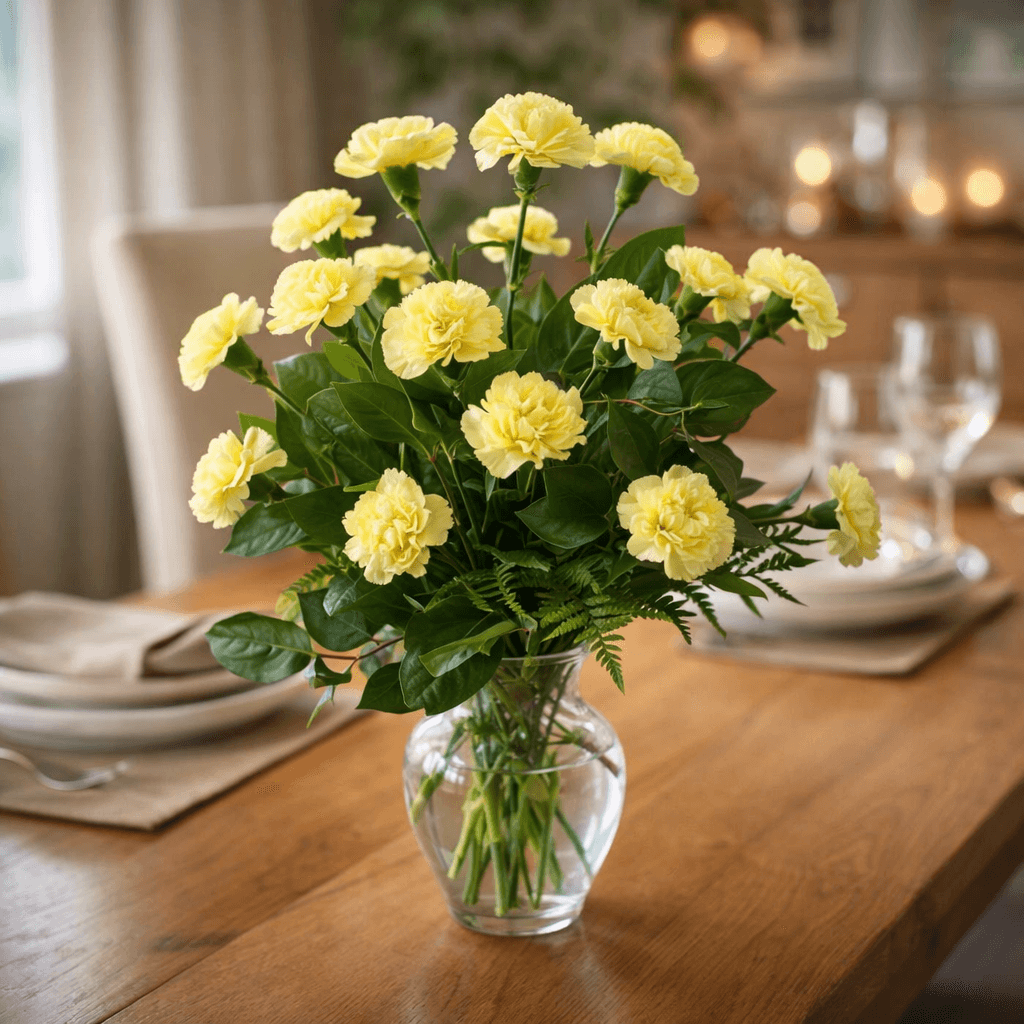
Eighteen carnations in a clear vase
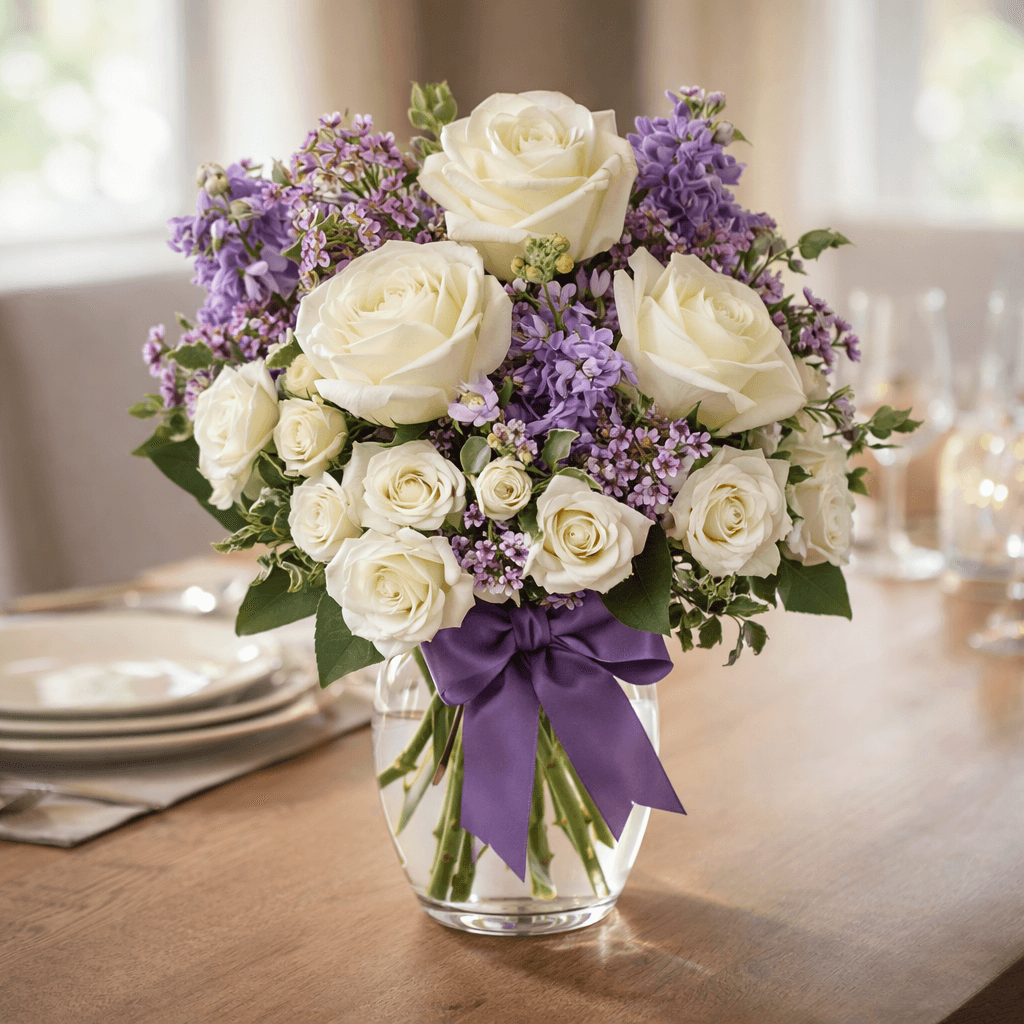
Enchanted Cottage
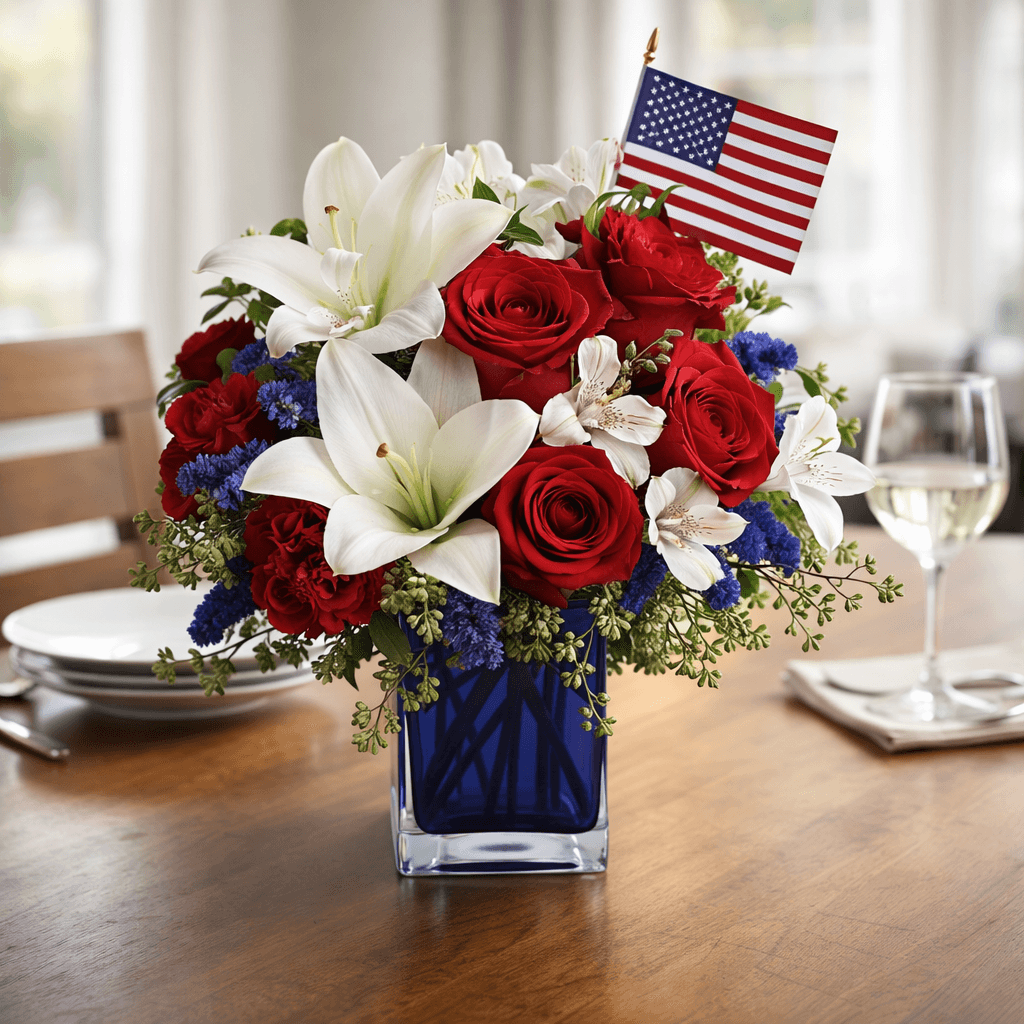
America the Beautiful
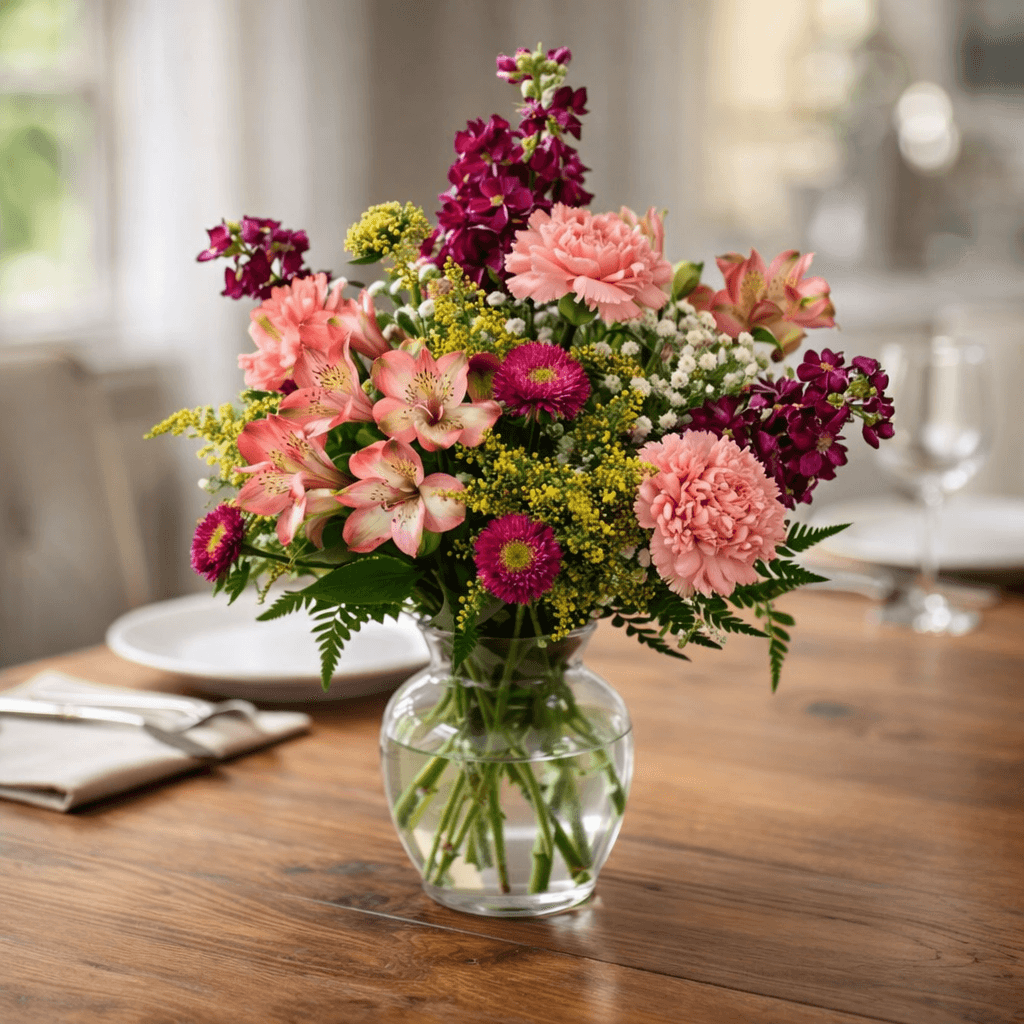
The Precious Medley Bouquet
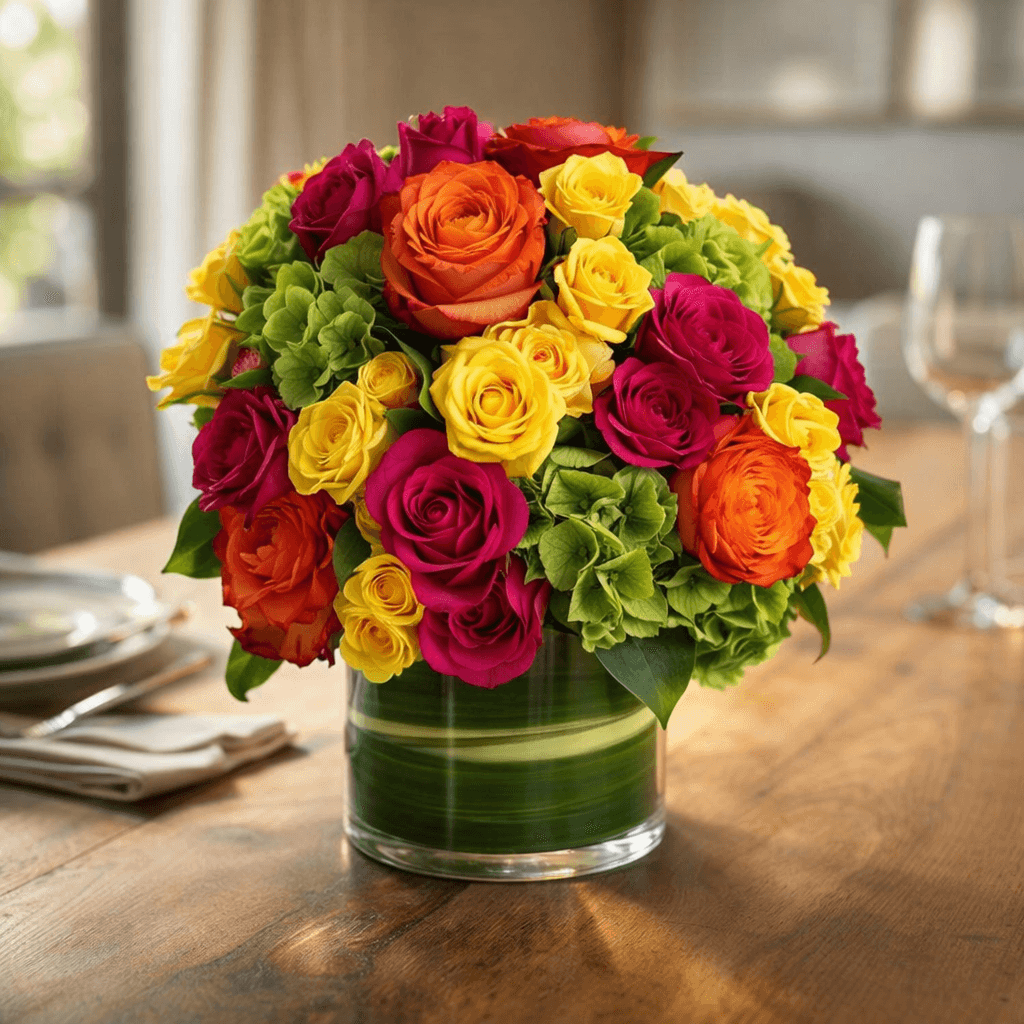
Blossoms in Vogue
Keep exploring
Shop these arrangements
More from the blog
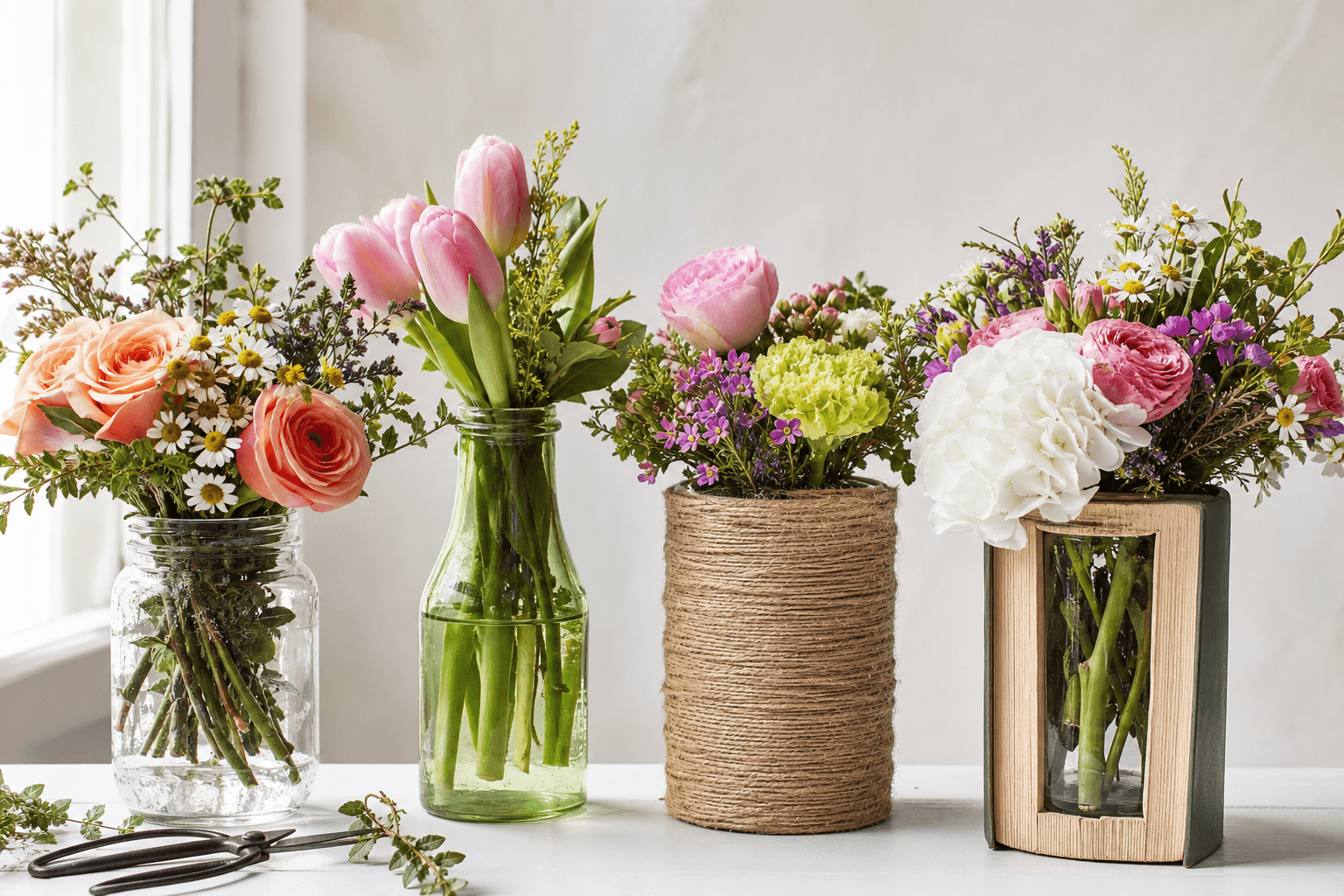
How to Make a DIY Flower Vase From Things You Already Own
Turn jars, bottles, tins and even old books into usable flower vases. The key is choosing the right insert, keeping water contained, and matching the vessel to the flowers.
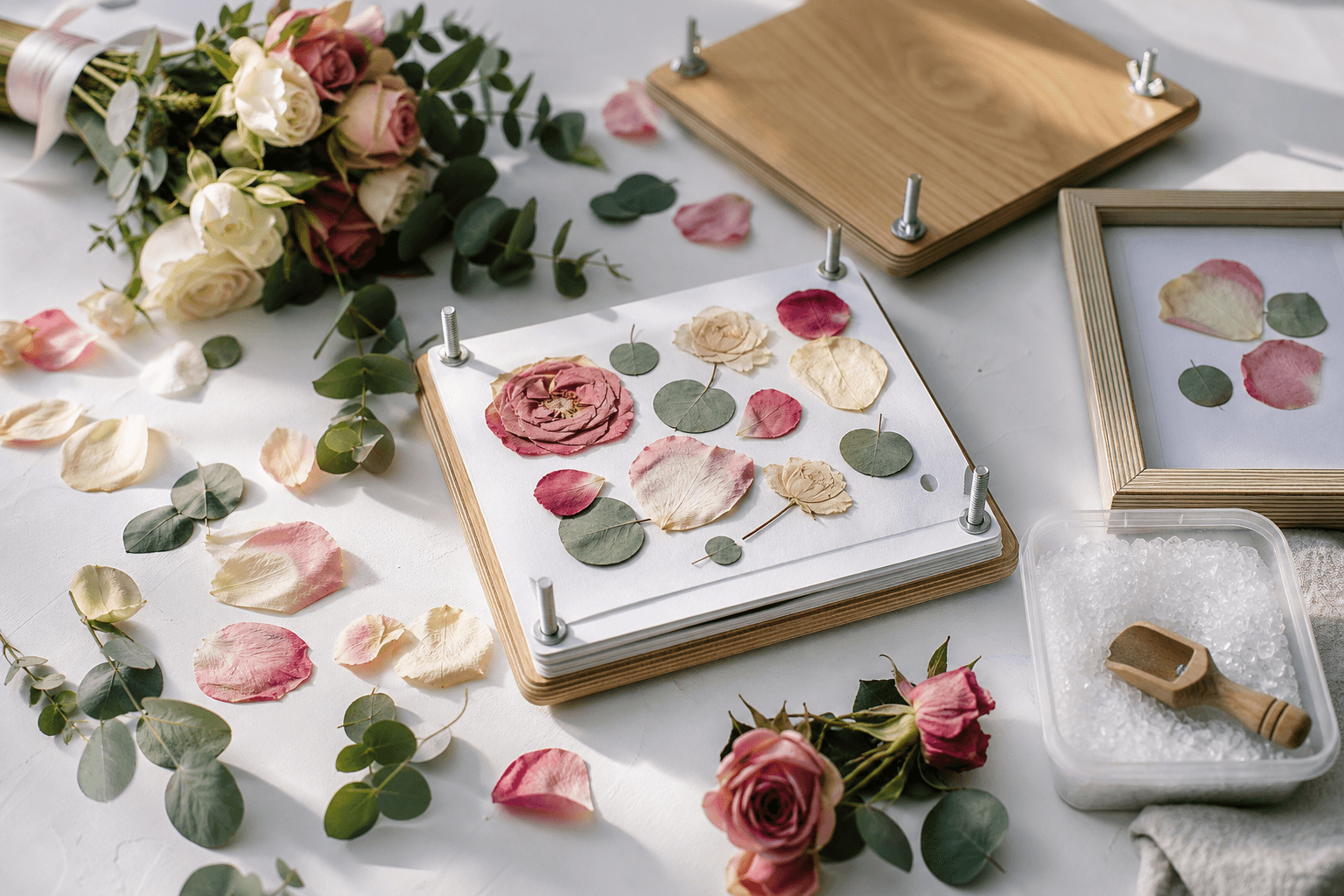
How to Preserve Wedding Flowers: Pressing, Drying and Silica Gel
Preserving a bouquet works best when you start within two days. This guide explains pressing, silica gel drying, air drying, framing, and which wedding flowers are worth saving.
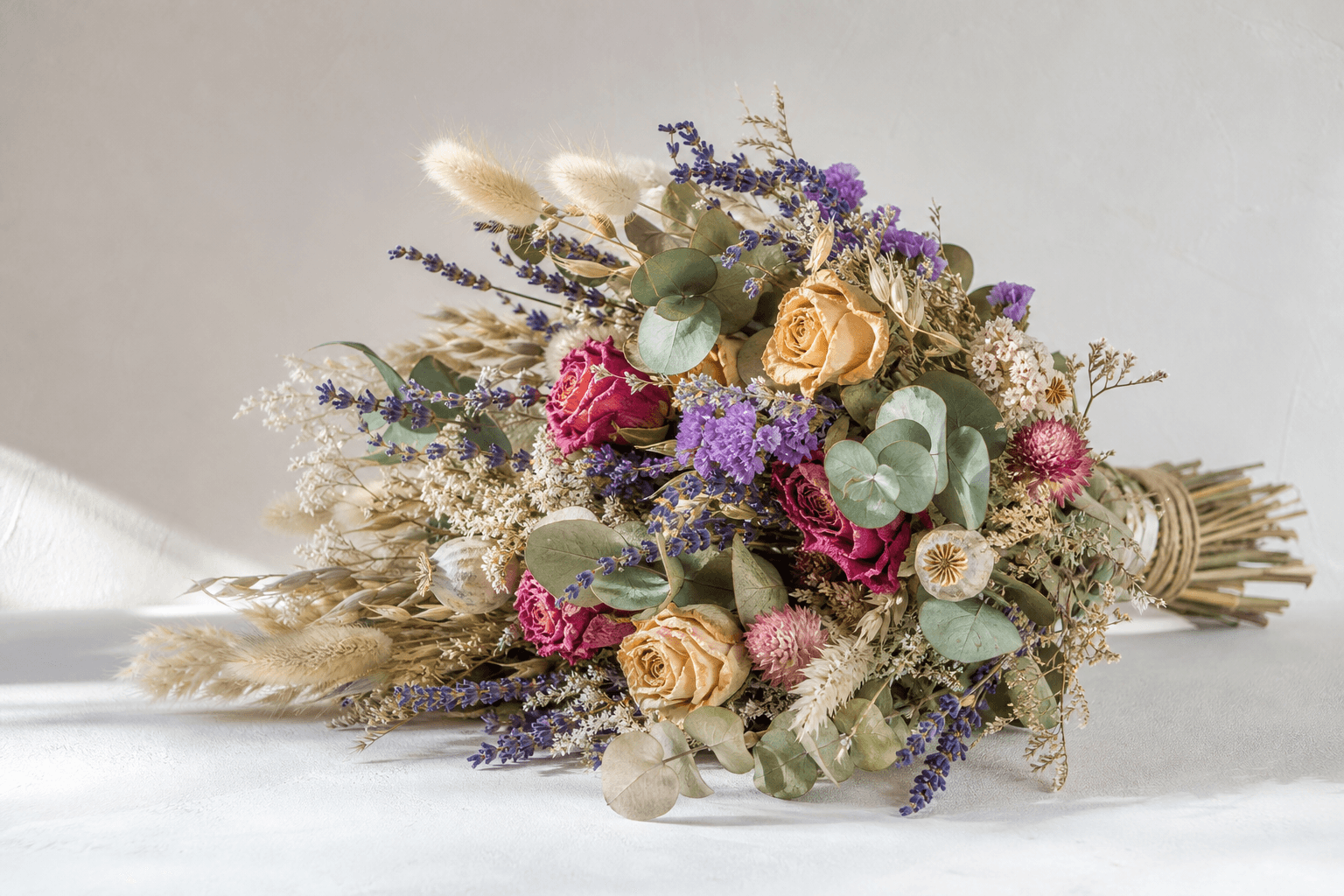
Dried Flowers: How to Make Them, Display Them and Make Them Last
A practical guide to drying flowers at home, choosing the right method, displaying a dried bouquet, and storing stems so they hold their shape and colour longer.