Gerbera Daisy Care: Keeping Cut Gerberas Upright and Potted Ones Blooming
Gerbera daisies are cheerful and long-lasting, but they have one habit: drooping heads. Here's how to keep cut gerberas upright for up to two weeks, and how to keep a potted gerbera in flower.
Gerbera daisy care has one golden rule: shallow, clean water. Gerbera stems are fuzzy and soft, and bacteria build up on them quickly, which blocks the stem and makes the heavy flower head droop. Give cut gerberas only 5 to 8 cm of fresh water with flower food, recut the stems every couple of days, and they'll last seven to fourteen days.
Potted gerberas are a different story: they want bright light, water at the soil rather than the leaves, and a crown that sits slightly above the soil. Both are covered below. For the flower's facts and the arrangements that use it, see our gerbera guide.
Gerbera care at a glance
The essentials:
- Cut stems: 5 to 8 cm of cool water with flower food, in a spotless vase.
- Recut: 1 to 2 cm off at an angle every two days, when you change the water.
- Vase life: 7 to 14 days.
- Potted plants: bright light with some direct sun, water at the base when the top 2 to 3 cm is dry.
- Temperature: cool rooms make cut flowers last longer; potted plants like 18 to 24°C.
- Pets: the ASPCA lists gerbera daisies as non-toxic to cats, dogs and horses.
Why gerbera daisies droop
A drooping gerbera, with the head bent over just below the flower, is almost always a water problem rather than an old flower. The stems are covered in fine hairs that hold bacteria, and those bacteria multiply in deep or dirty water and clog the stem. Without a steady flow of water, the soft stem just under the heavy head is the first part to give way.
Too much water causes it too. Gerbera stems sitting in a deep vase soak up water, go soft and start to rot from the bottom. That's why florists use so little water for gerberas, and why many slip a clear straw or a thin wire up the stem for support in arrangements.
How to care for gerbera daisies in a vase
Start with a vase washed in hot soapy water: leftover bacteria from the last bouquet will shorten their life. Fill it with just 5 to 8 cm of cool water and add the flower food that came with the arrangement. Cut 1 to 2 cm off each stem at an angle with a sharp knife or clean scissors, and pull off any leaves that would sit in the water.
Every two days, empty the vase, rinse it, refill with fresh water and give the stems another short cut. Keep the vase in a cool spot, out of direct sun and away from heat vents, televisions and fruit bowls. Gerberas also turn towards the light, so rotate the vase if the heads start leaning one way. Looked after like this, they'll last seven to fourteen days; our how long do flowers last post compares them with other flowers.
Reviving a drooping gerbera
If a head has already flopped, you can often save it. Recut the stem under running water, then wrap the whole flower, head and stem, in a cone of newspaper or kraft paper so the stem is held straight, and stand it in a few centimetres of fresh, cool water for an hour or two. As the stem takes up water it firms up again.
If the stem has creased sharply or gone brown and mushy where it bent, the damage is done. Shorten that flower to below the crease and use it in a small glass or bud vase, where it'll keep going for days.
Potted gerbera daisy care
Potted gerberas (Gerbera jamesonii) are often sold as a short-term gift plant, but with good care they flower for months. Give them a bright windowsill with a few hours of direct morning or late-afternoon sun; in low light they stop flowering and grow leggy. Water at the base when the top 2 to 3 cm of soil is dry, and avoid wetting the leaves or the crown, which leads to rot and powdery mildew.
When repotting, keep the crown, where the leaves meet the roots, slightly above the soil line; burying it is the usual cause of crown rot. Use a free-draining potting mix, feed every two to four weeks with a fertilizer for flowering plants while it's blooming, and snap off spent flowers at the base of the stem to keep new buds coming.
Gerberas outdoors in Canada
Gerberas are perennials only where winters stay mild (about zone 8 and warmer), so in most of Canada they're grown as summer annuals in pots, window boxes or sunny beds. Plant them out after the last frost, in full sun to light afternoon shade, with the crown just above the soil.
Before the first frost in fall you can bring a potted gerbera indoors to a bright, cool window. It'll flower less over winter, then pick up again as the days lengthen. Watch for aphids and whitefly on plants brought in from outside, and wipe them off before they spread to your other houseplants.
Are gerbera daisies safe for pets?
Yes. The ASPCA lists the gerbera daisy (Gerbera jamesonii) as non-toxic to cats, dogs and horses, which makes gerberas one of the better bright flowers for a home with pets. That's not true of every daisy-like flower: chrysanthemums and the common daisy are toxic, so check a mixed bouquet's other flowers too. Our flowers safe for cats post lists more.
Gerberas are a favourite for birthdays and get-well wishes because of their colour. Arrangements such as Yellow Rising and The Blushing Beauty Bouquet feature them, and every order is made by a local florist and delivered anywhere in Canada for a flat $19.99, with same-day delivery when you order by 1:00 PM in the recipient's time zone, Monday to Saturday. For what daisies mean, see daisy flower meaning.
Common questions
- How do you keep gerbera daisies from drooping?
- Use a clean vase with only 5 to 8 cm of water and flower food, recut the stems every two days and change the water each time. Deep or dirty water lets bacteria clog the stems, and the heads droop.
- How long do gerbera daisies last in a vase?
- With shallow, clean water and fresh cuts every couple of days, cut gerberas last seven to fourteen days.
- How often should I water a potted gerbera daisy?
- Water at the base when the top 2 to 3 cm of soil is dry, and avoid wetting the leaves and crown. Make sure the pot drains and never leave it standing in water.
- Are gerbera daisies toxic to cats?
- No. The ASPCA lists gerbera daisies as non-toxic to cats, dogs and horses.
Arrangements to send
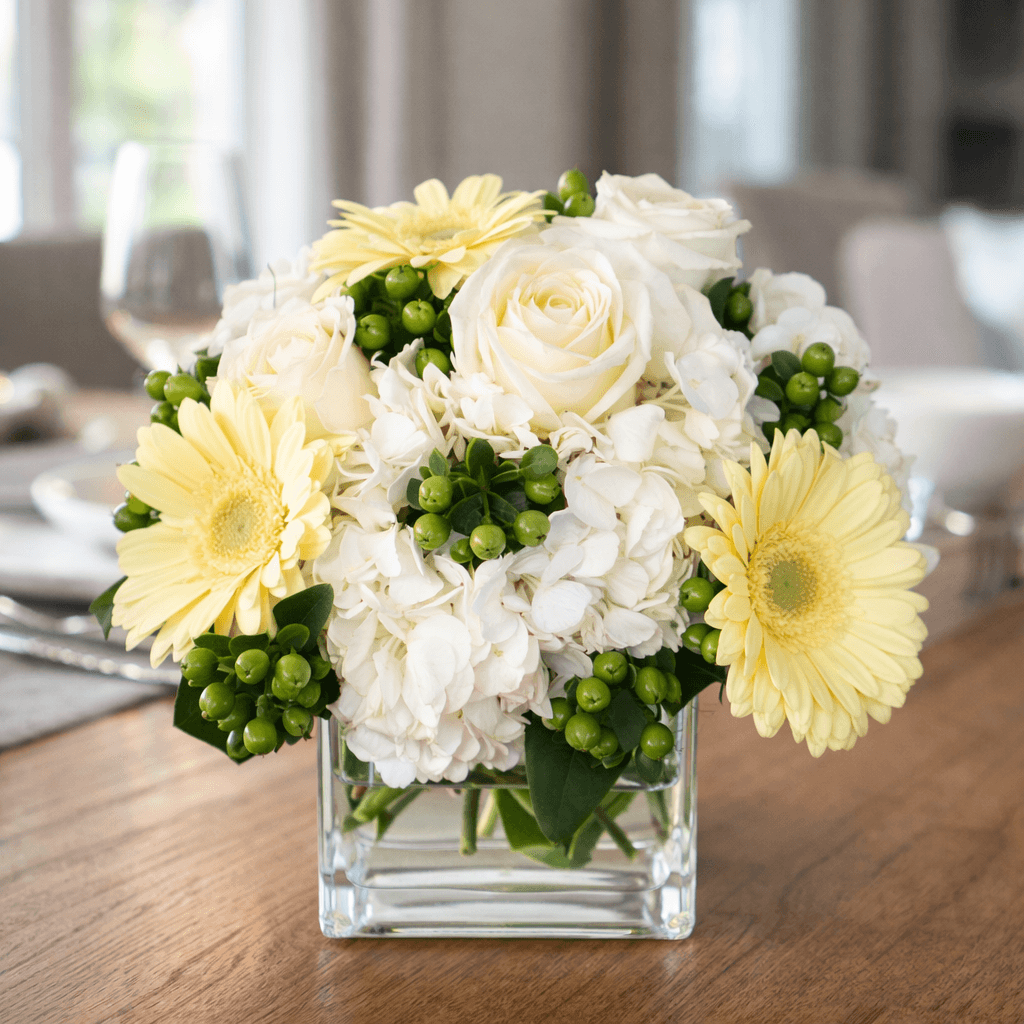
A Touch Of Class
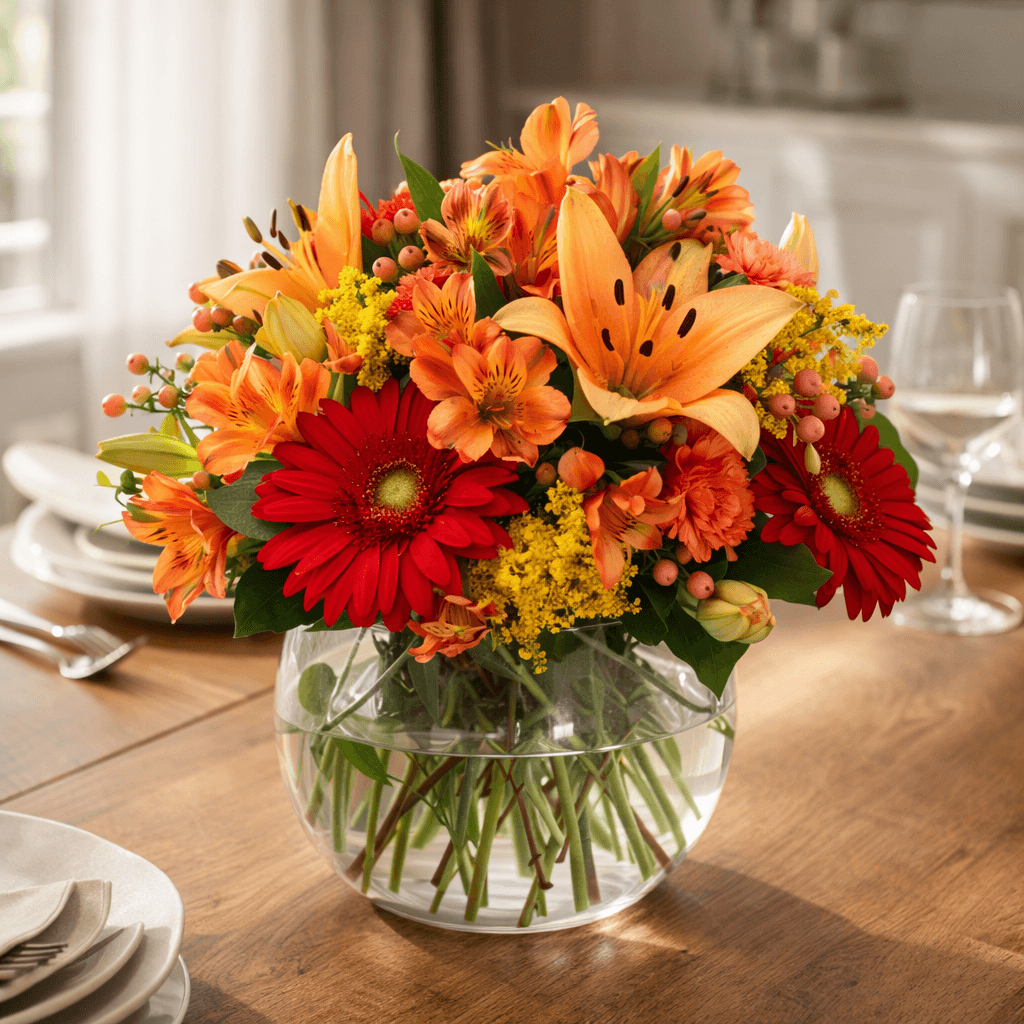
Orange Splash Bouquet
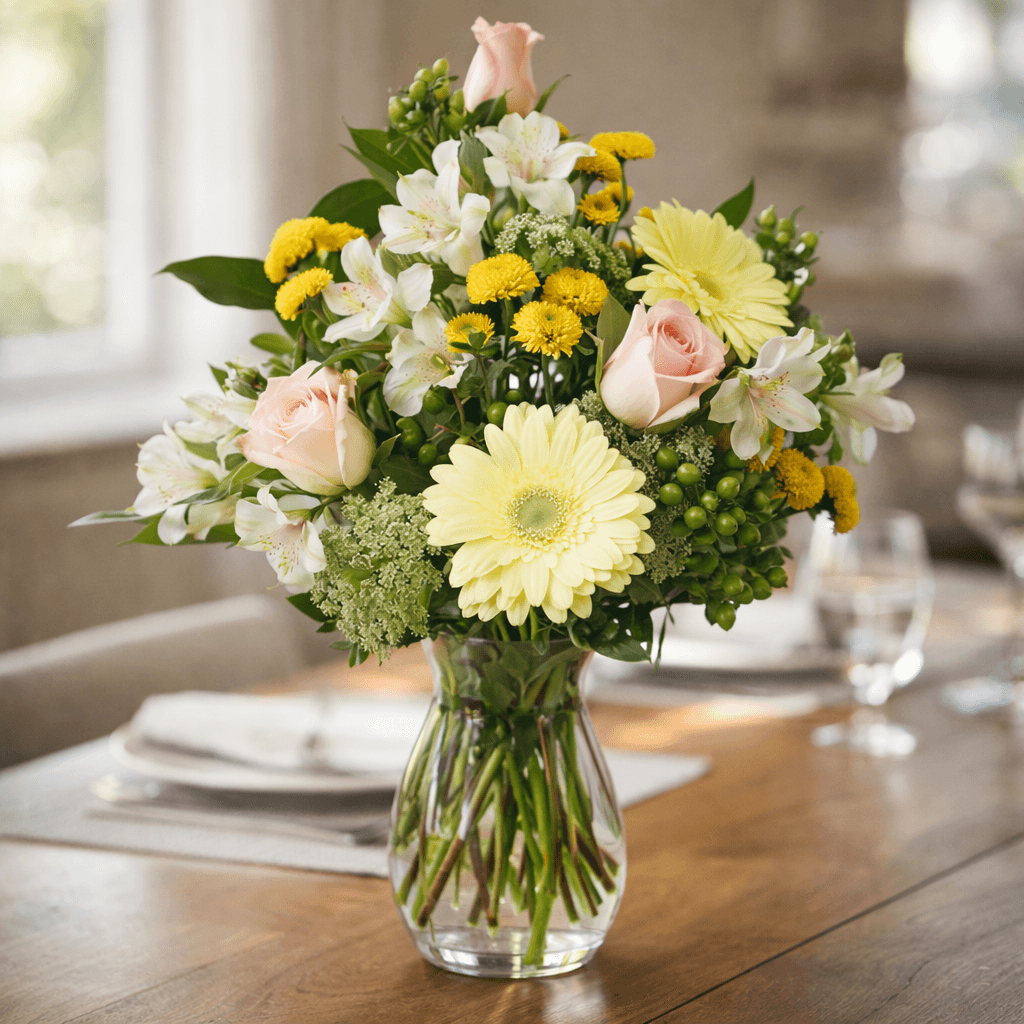
The Sweetest Touch
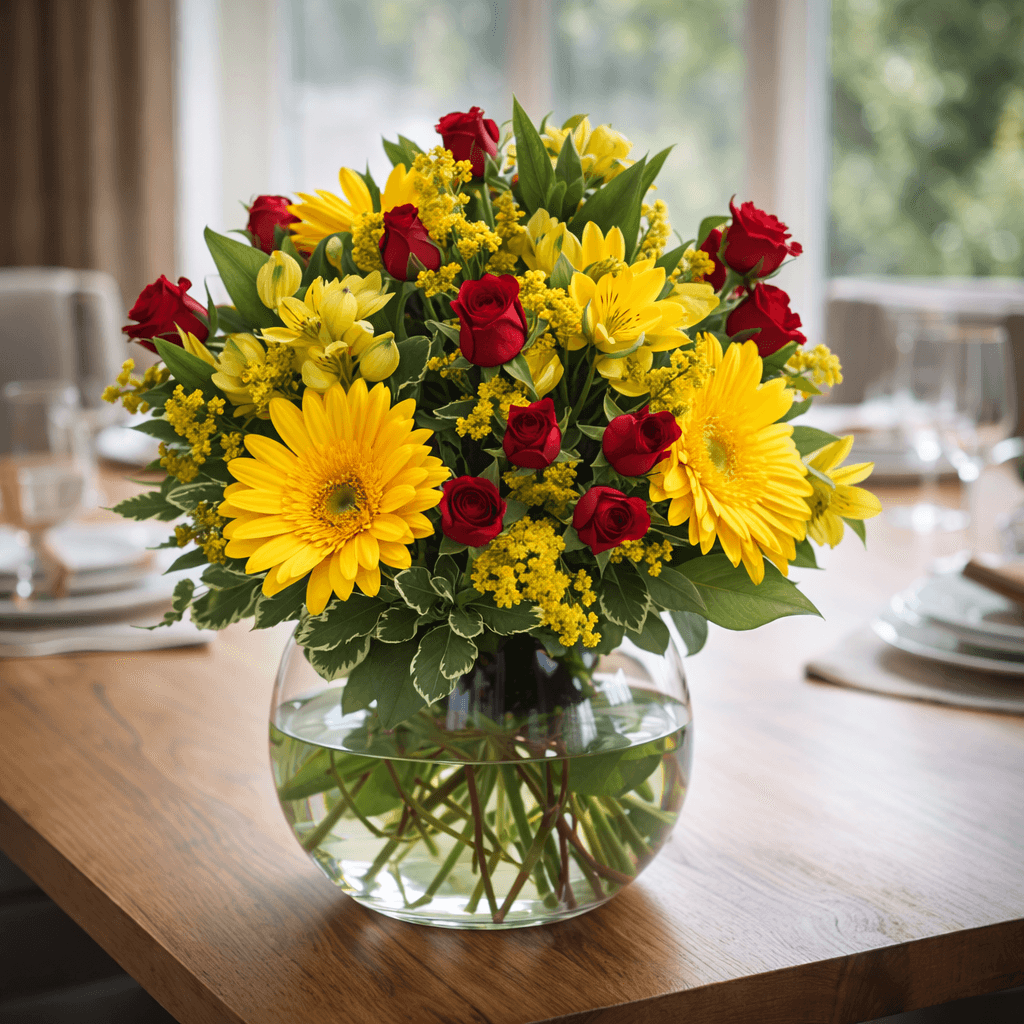
Gerbera and Rose Bouquet
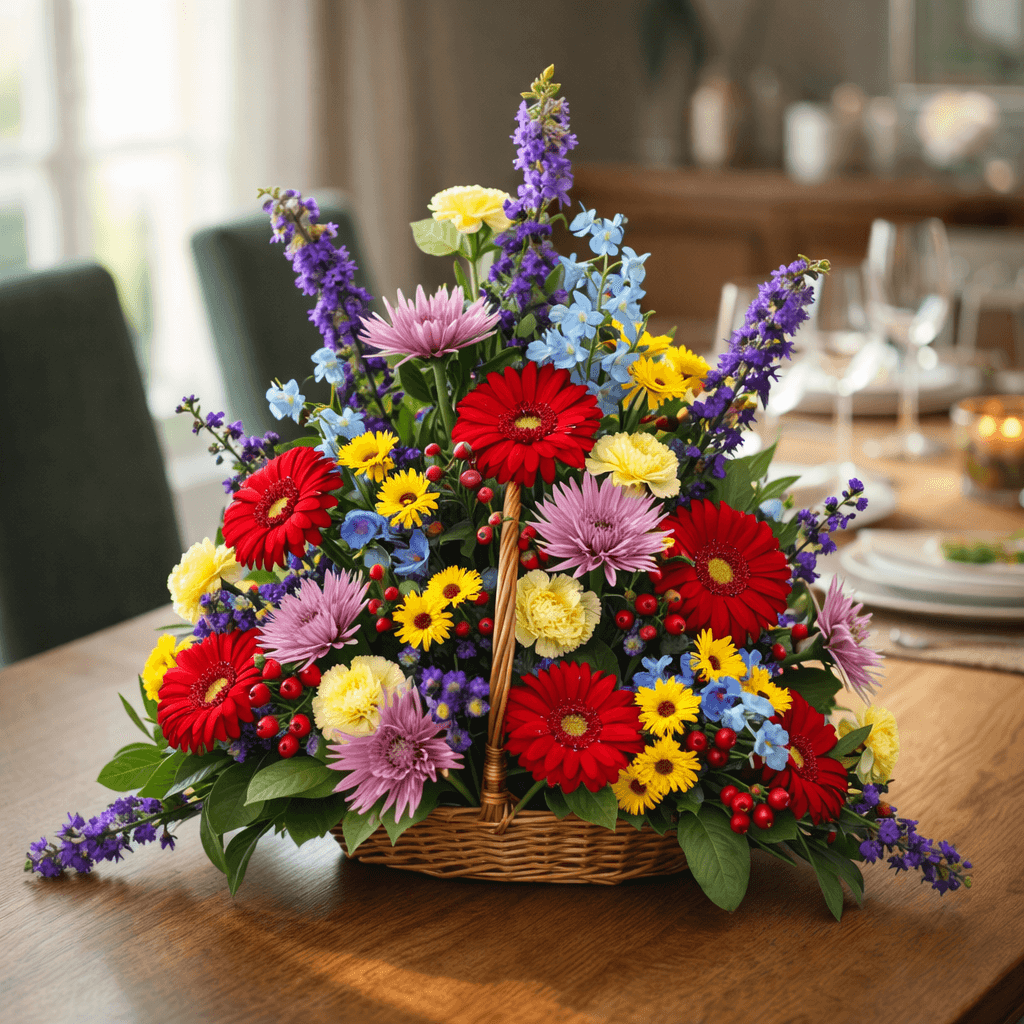
Colorful Fireside Basket
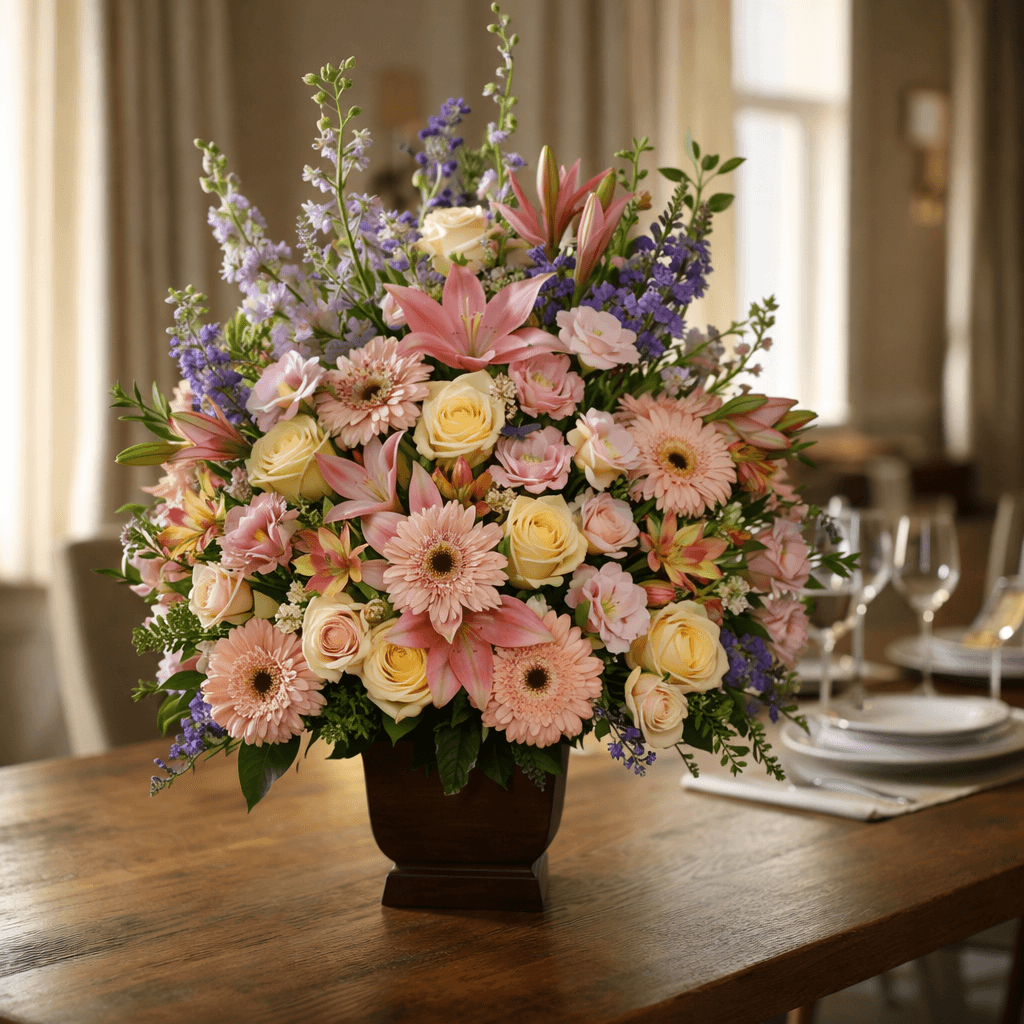
Loving Grace
Keep exploring
Flower guides
More from the blog
Bird of Paradise Care: Light, Water and Getting It to Flower Indoors
A bird of paradise wants more light than almost any other houseplant, steady watering and warmth. Here's how to keep one thriving in a Canadian home, why the leaves split, and how to coax out the flowers.
Calla Lily Care: Cut Stems, Potted Plants and Saving the Bulbs for Next Year
Calla lilies are easy once you know their quirks: cut stems want shallow water, potted callas want steady moisture and bright light, and in most of Canada the rhizomes need to come indoors for winter.
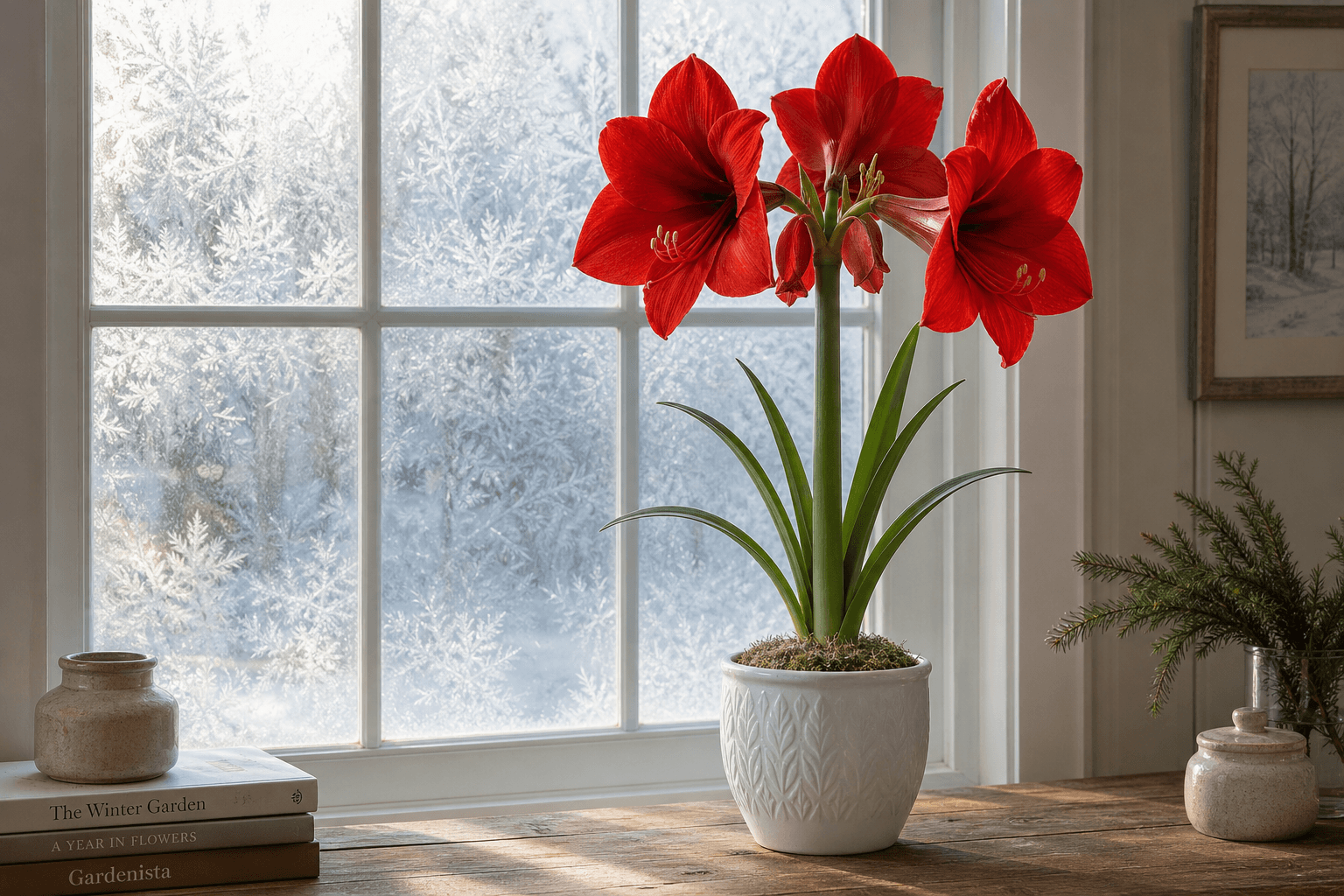
Amaryllis Care: From Bulb to Bloom, and Blooming Again Next Year
An amaryllis bulb goes from bare bulb to huge red or white trumpets in about six to ten weeks, which makes it one of the most satisfying winter plants there is. Here's how to plant it, keep it standing, make the flowers last, and coax it into blooming again next year.