Bird of Paradise Care: Light, Water and Getting It to Flower Indoors
A bird of paradise wants more light than almost any other houseplant, steady watering and warmth. Here's how to keep one thriving in a Canadian home, why the leaves split, and how to coax out the flowers.
Bird of paradise care is mostly about light. Give it the brightest spot in your home, ideally with a few hours of direct sun, water it when the top few centimetres of soil are dry, keep it warm, and it will grow into a big, dramatic plant. Skimp on light and it survives but never flowers.
Two plants share the name. The orange-and-blue Strelitzia reginae is the one with the famous crane-like flowers, and grows to about 1.5 metres. The giant white bird of paradise, Strelitzia nicolai, is the one sold as a tall, leafy floor plant; it can reach the ceiling indoors and rarely flowers in a home. Their care is the same.
Bird of paradise care at a glance
The essentials:
- Light: as bright as possible; a south- or west-facing window with some direct sun.
- Water: when the top 3 to 5 cm of soil is dry in spring and summer; less in winter.
- Temperature: 18 to 27°C; keep it above 10°C and away from cold drafts.
- Humidity: average room humidity is fine; very dry winter air causes brown edges.
- Feeding: balanced fertilizer every two to four weeks in spring and summer, none in winter.
- Repotting: every two to three years in spring; a slightly snug pot encourages flowers.
- Pets: toxic to cats and dogs, mainly the fruit and seeds.
Light: the thing that matters most
In the wild, Strelitzia grows in open, sunny scrub in South Africa, and indoors it wants as much of that sun as you can give it. A south- or west-facing window is best, with the plant right beside the glass. An east window can work for the white species. A north window, or a spot across the room from any window, will keep the plant alive but slowly stretching and never flowering.
Canadian winters make this harder: from November to February even a south window gives only a few weak hours of light. That's normal, and the plant slows down to match. If yours is in a dim room, a full-spectrum grow light on a timer for 10 to 12 hours a day makes a real difference. In summer you can move it out to a balcony or patio once nights stay above 10°C. Shift it into the sun gradually over a week or two, or the leaves will scorch, and bring it back in before the first cold nights of fall.
Watering and humidity
Water thoroughly when the top 3 to 5 cm of soil feels dry, until water runs out of the drainage holes, then empty the saucer. In a bright spot in summer that may be once a week; in winter, every two or three weeks. More birds of paradise die from overwatering than anything else, so when in doubt, wait a few days. Curling leaves usually mean the plant is thirsty; yellowing lower leaves and soft stems mean it's too wet.
Average indoor humidity is fine, but the very dry air of a heated Canadian house in January can brown the leaf edges. Grouping plants together or running a humidifier nearby helps more than misting, which dries off within minutes.
Why bird of paradise leaves split
Splits along the leaves are the question we hear most, and in most cases they're nothing to worry about. Bird of paradise leaves are built to tear between their veins: in the wild, the splits let strong wind pass through instead of ripping the whole leaf or toppling the plant. Indoors, leaves split when they're brushed against, when the air is dry, or simply with age.
You can't mend a split, but you can reduce new ones by keeping the plant out of busy walkways and away from heating vents. Trim a badly tattered leaf off at the base; new ones will replace it. Leaves that split and also turn brown and crispy point to dry air or underwatering rather than normal wear.
How to get a bird of paradise to bloom
Patience comes first. An orange bird of paradise usually needs to be three to five years old before it flowers, so a young plant from a garden centre may give you only leaves for a while. After that, blooms depend on bright light with several hours of direct sun, regular feeding in spring and summer, and a pot that is slightly snug: plants with plenty of root room tend to put their energy into leaves.
A cooler, drier rest in winter, around 13 to 16°C at night with less water, also helps set flower buds for spring. The white Strelitzia nicolai rarely flowers indoors at all, so if yours is the tall, leafy kind, enjoy it as a foliage plant.
Repotting, pests and pet safety
Repot every two to three years in spring, moving up only one pot size, into a free-draining mix such as a houseplant soil with added bark or perlite. A large plant can be divided at the same time by cutting through the root ball. Watch for spider mites in dry winter air, and for mealybugs and scale tucked into the leaf bases; wipe them off with a cloth dipped in soapy water or insecticidal soap.
Is bird of paradise toxic to cats and dogs? Yes. The ASPCA lists Strelitzia reginae as toxic to cats, dogs and horses, with mild nausea, vomiting and drowsiness, caused mainly by the fruit and seeds. It's not to be confused with the shrub Caesalpinia gilliesii, also sold as bird of paradise, which is more toxic. For pet-safe options, see our flowers safe for cats.
Easier plants to send as a gift
We don't deliver bird of paradise plants: they're large, slow to settle and need a very bright home. If you want to send a living plant that's easy for anyone, our plants range is chosen for that. A Peace Lily flowers in ordinary room light, The Schefflera Arboricola grows into a sturdy, tropical-looking plant, and a Mixed Plant Dish Garden gives several plants in one basket.
For seasonal plants, our guides to poinsettia care and Christmas cactus care cover the winter favourites. Plants are delivered by local florists anywhere in Canada for a flat $19.99, with same-day delivery when you order by 1:00 PM in the recipient's time zone, Monday to Saturday.
Common questions
- How much light does a bird of paradise need?
- As much as you can give it. A south- or west-facing window with a few hours of direct sun is ideal. In low light it survives but won't flower.
- How often should I water a bird of paradise?
- Water when the top 3 to 5 cm of soil is dry, thoroughly, then empty the saucer. That's often weekly in a bright spot in summer and every two to three weeks in winter.
- Why are my bird of paradise leaves splitting?
- Splitting is natural. The leaves are built to tear between their veins so wind can pass through. Indoors, splits come from being brushed against, dry air and age.
- Is bird of paradise toxic to cats?
- Yes. The ASPCA lists Strelitzia reginae as toxic to cats, dogs and horses, causing mild nausea, vomiting and drowsiness, mainly from the fruit and seeds.
Arrangements to send
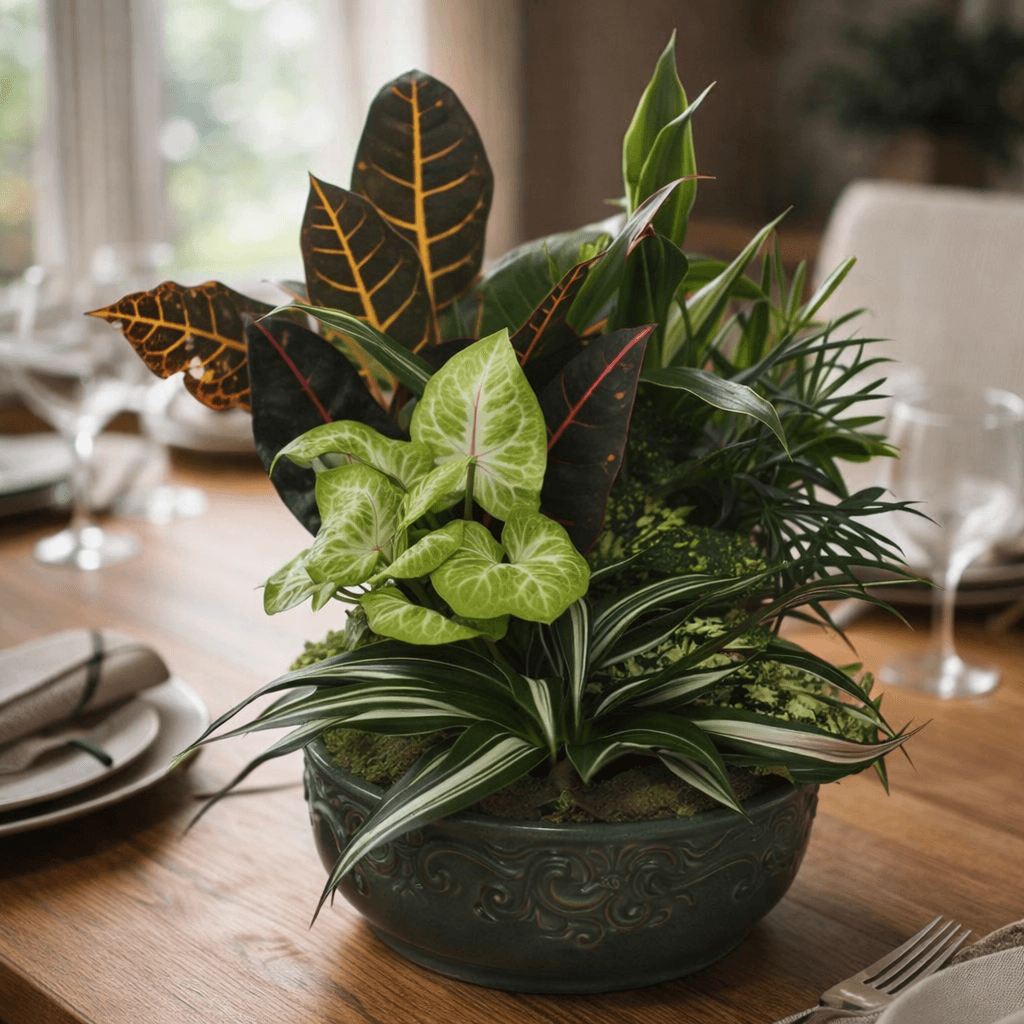
Mixed Plant Dish Garden
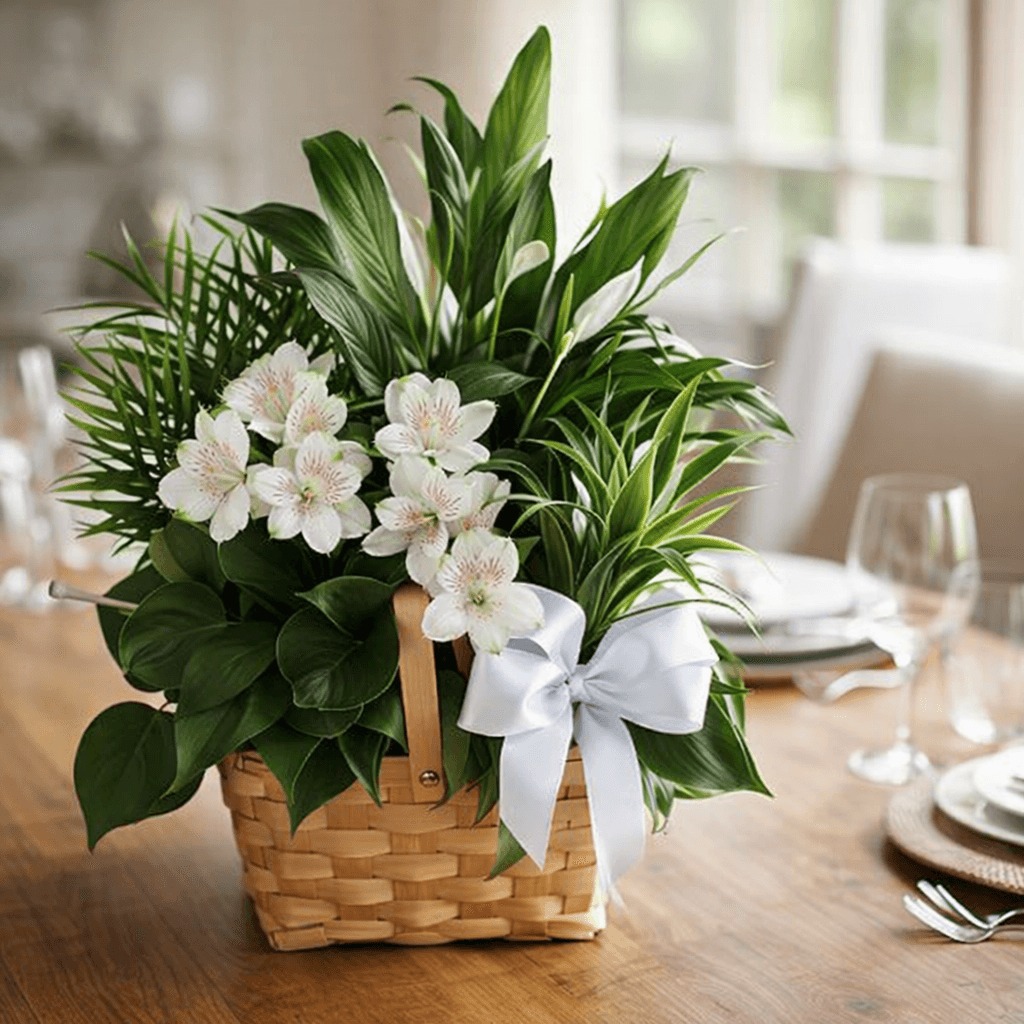
Peace & Serenity Dishgarden
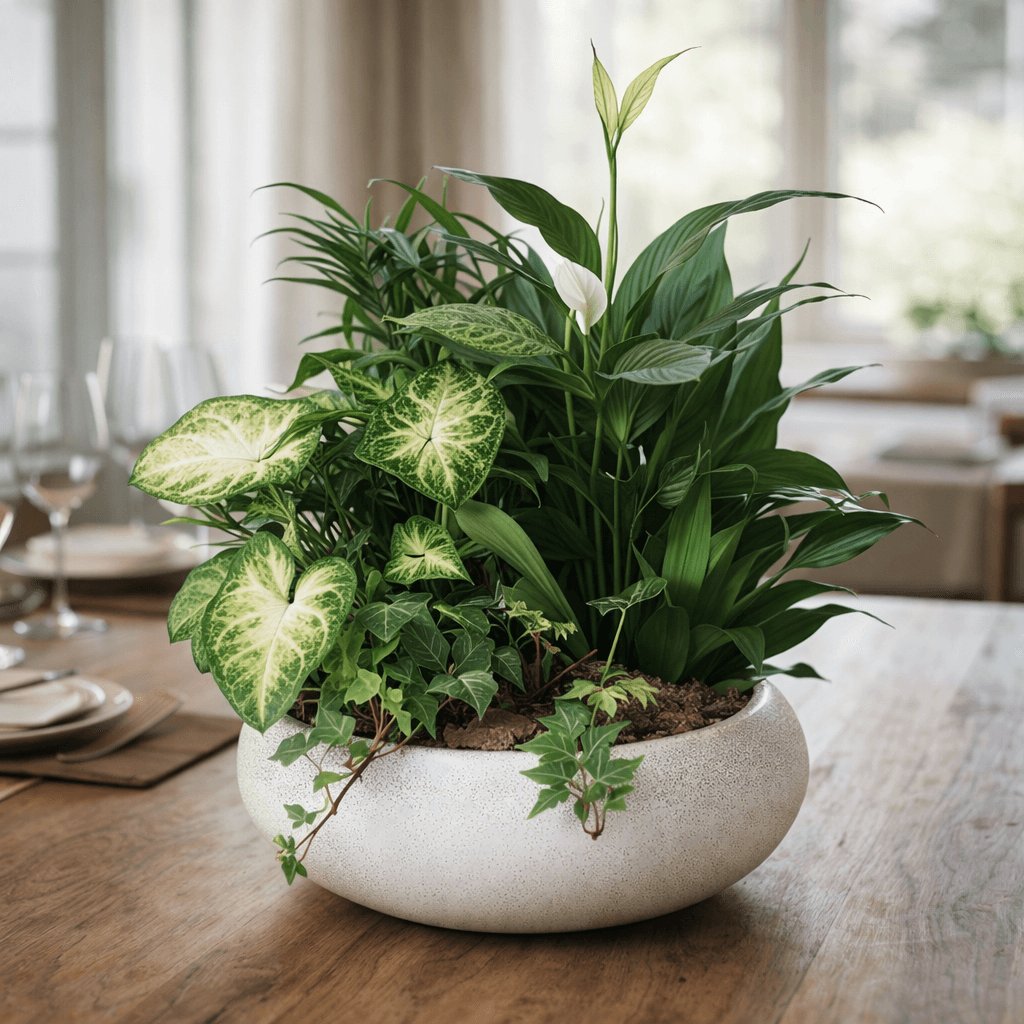
Medium Dish Garden

Small Garden Dish
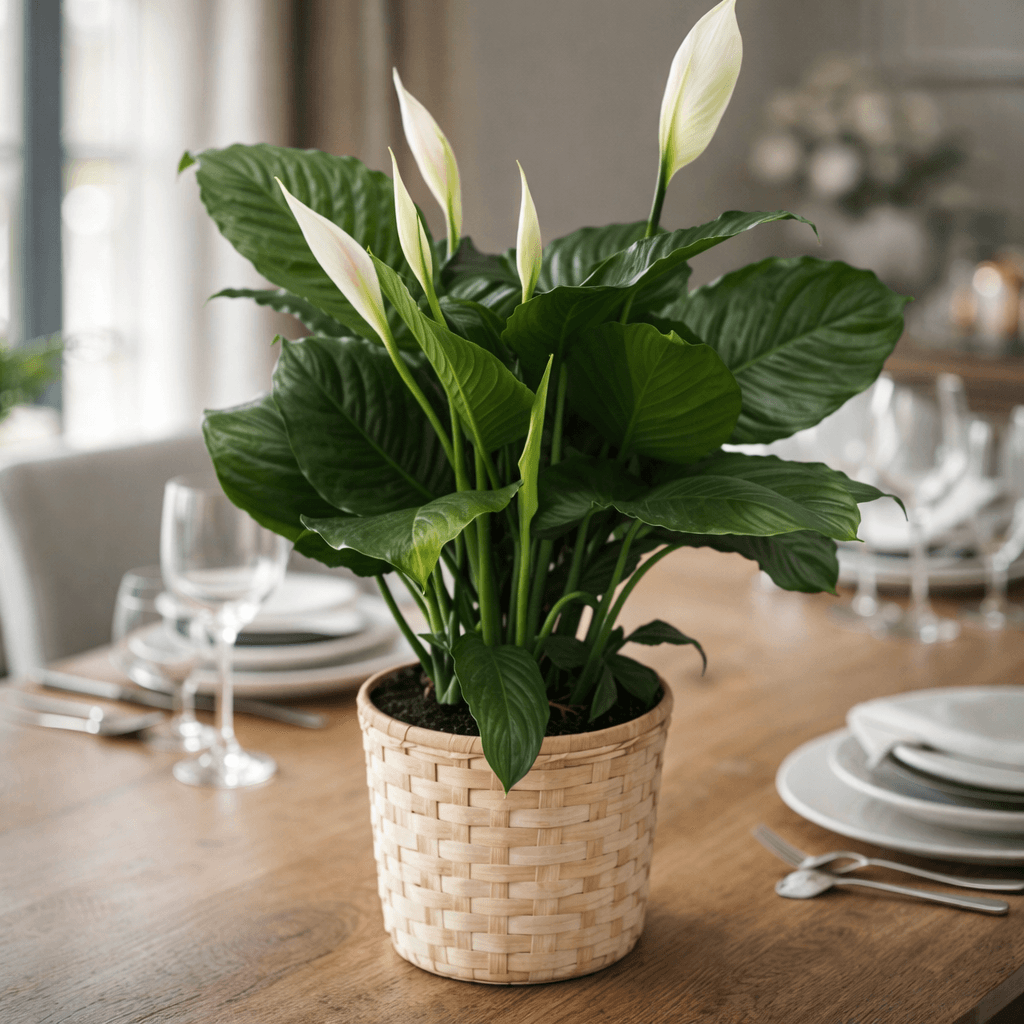
Peace Lily
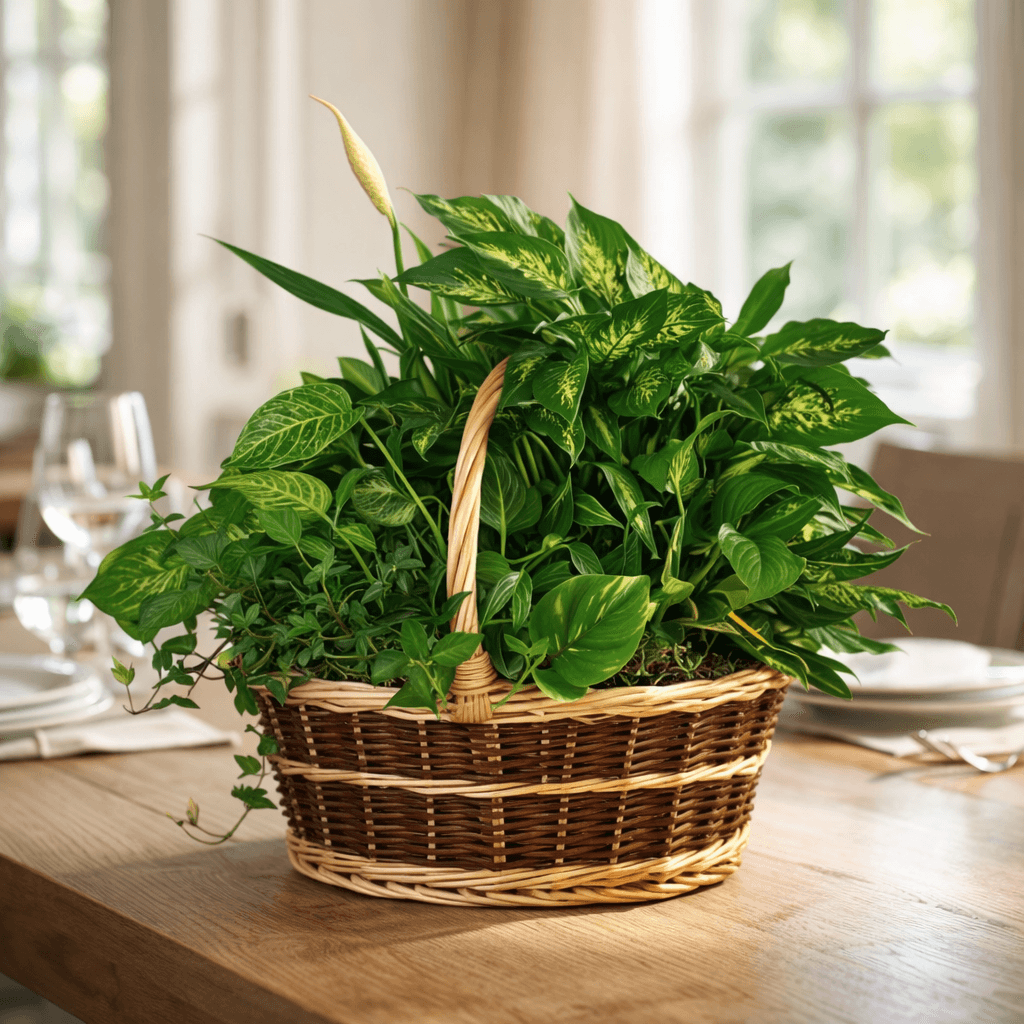
Large Basket Garden
Keep exploring
Shop these arrangements
More from the blog
Gerbera Daisy Care: Keeping Cut Gerberas Upright and Potted Ones Blooming
Gerbera daisies are cheerful and long-lasting, but they have one habit: drooping heads. Here's how to keep cut gerberas upright for up to two weeks, and how to keep a potted gerbera in flower.
Calla Lily Care: Cut Stems, Potted Plants and Saving the Bulbs for Next Year
Calla lilies are easy once you know their quirks: cut stems want shallow water, potted callas want steady moisture and bright light, and in most of Canada the rhizomes need to come indoors for winter.
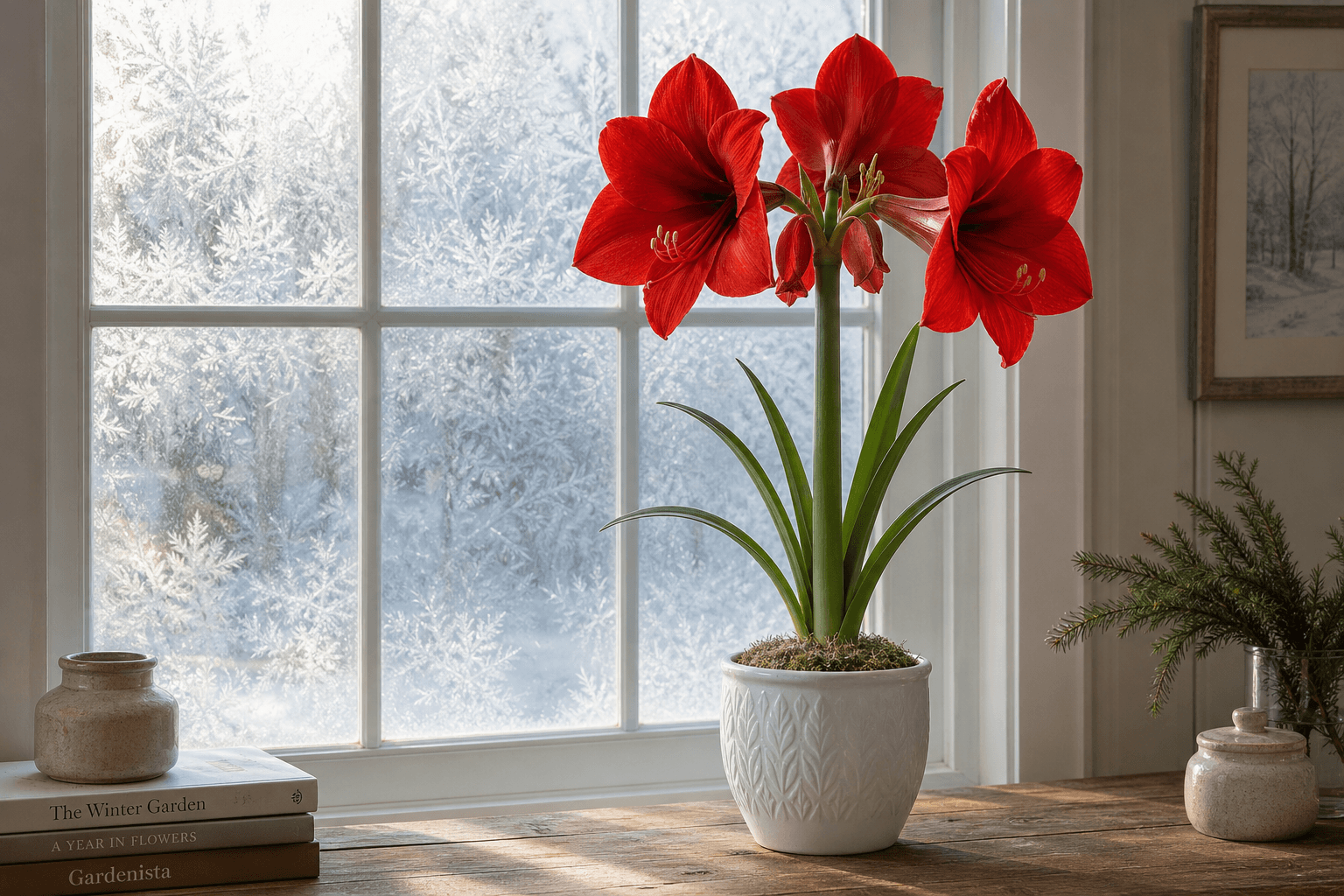
Amaryllis Care: From Bulb to Bloom, and Blooming Again Next Year
An amaryllis bulb goes from bare bulb to huge red or white trumpets in about six to ten weeks, which makes it one of the most satisfying winter plants there is. Here's how to plant it, keep it standing, make the flowers last, and coax it into blooming again next year.