How to Preserve Wedding Flowers: Pressing, Drying and Silica Gel
Preserving a bouquet works best when you start within two days. This guide explains pressing, silica gel drying, air drying, framing, and which wedding flowers are worth saving.
As an Amazon Associate, Flowers on Demand earns from qualifying purchases. Links to Amazon.ca in this article are affiliate links: if you buy through one we may earn a small commission, at no extra cost to you.
Start in the first 48 hours
The simplest answer to how to preserve wedding flowers is to choose a method within 48 hours, before bruising and browning set in. Keep the bouquet cool, remove any tight plastic wrap, and place the stems in clean water if they are still attached. Do not leave the bouquet in a hot car, near a sunny window, or in a hotel room with dry forced air. White flowers show damage fastest, especially white roses, lisianthus and ranunculus, so deal with those first.
Ask someone you trust to take the bouquet home if you leave for a honeymoon right away. Separate the best blooms from the rest: one perfect rose, a few small spray roses, a piece of eucalyptus, ribbon, and a good leaf may be more useful than the full bouquet. If the flowers have already been out of water for a full day, trim the stems, hydrate them for a few hours, and preserve only the firmest pieces.
Choose the method by flower, not by trend
Silica gel is the best home method for keeping the shape of whole blooms such as roses, peonies, dahlias, zinnias and sturdy ranunculus. Pressing is better for flat keepsakes: petals, leaves, ferns, delphinium florets, small daisies, astilbe and individual hydrangea florets. Air drying suits tougher materials like lavender, statice, baby’s breath, eucalyptus and grasses. The common mistake is trying one method for the entire bouquet, when most wedding bouquets are mixed on purpose.
Some flowers simply do not preserve well at home. Lilies have thick, moist petals and pollen that stains; many tropical orchids bruise easily; calla lilies and very fleshy petals often collapse or brown. Burgundy, mauve, peach and cream tones usually dry more forgivingly than pure white. If your bouquet was mainly fresh roses, you have more options than with a bouquet built around lilies and soft tulips.
How to preserve wedding flowers with silica gel
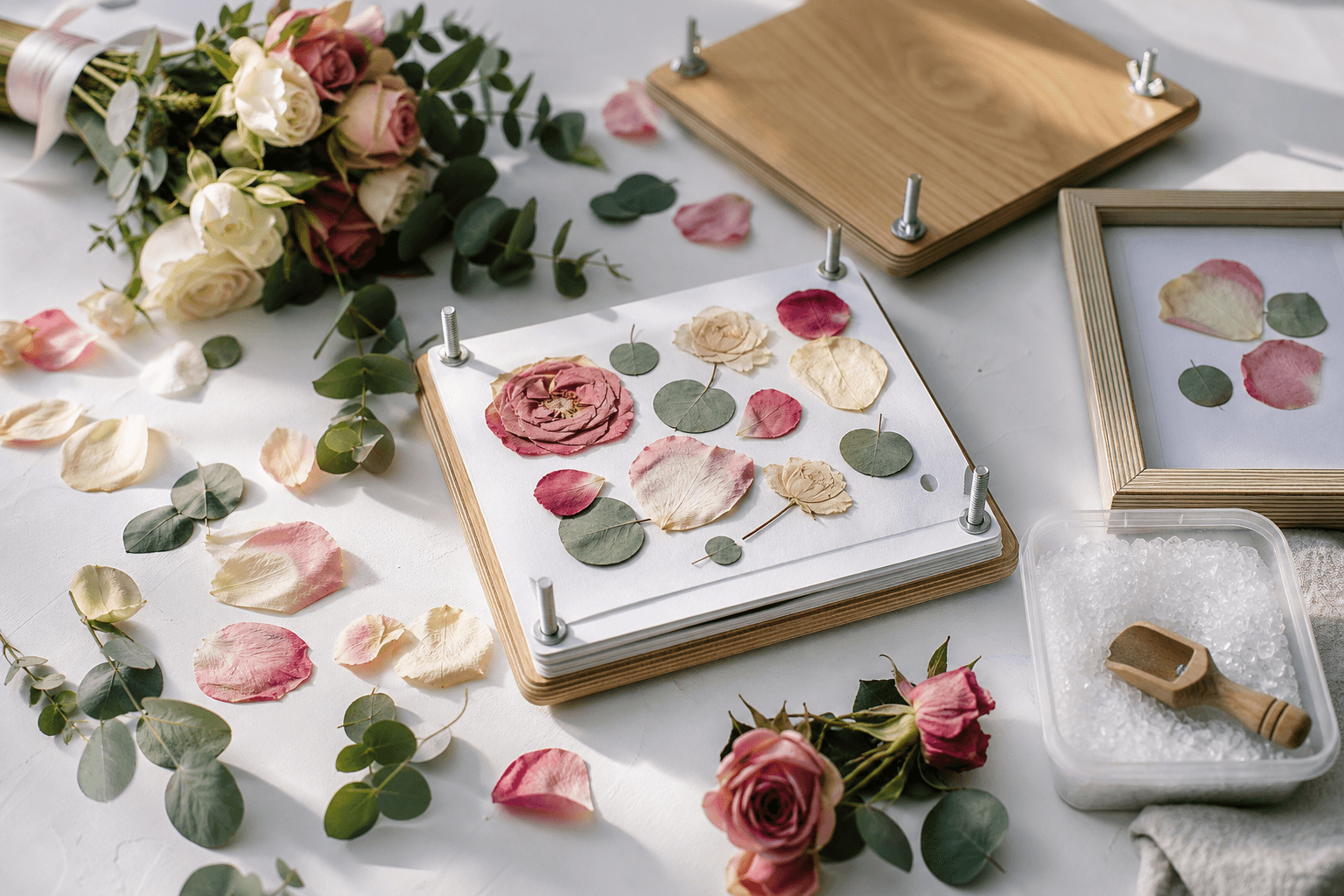
For whole flowers, use a sealable container deep enough that the bloom does not touch the lid. Pour in a layer of silica gel flower drying crystals, set the bloom face up, then spoon crystals slowly between the petals. This is where patience matters: dumping crystals on top can flatten the flower. Cover the bloom fully, close the container, and leave it undisturbed for several days. Silica gel is especially useful for roses, peonies and dahlias when you want dimension rather than a flat frame.
Remove the flower gently with a soft brush, because dried petals snap easily. Expect colour to darken: red roses may dry almost burgundy, blush flowers can become beige-pink, and ivory flowers may look cream. Do not spray the bloom heavily with hairspray; it can spot the petals and attract dust. If you want a fresh arrangement for an anniversary photo beside the preserved flowers, The Lavender Rose Bouquet is $89.95 CAD and keeps the tone romantic without pretending to replace the original bouquet.
How to press your wedding flowers for a frame
If you are learning how to press your wedding flowers, start by taking the bouquet apart. Cut away thick centres, split bulky blooms into petals, and press only pieces that can lie nearly flat. A small wooden press such as the Suziko flower press kit suits petals, leaves and thin flowers for frames, cards and bookmarks. Place absorbent paper above and below each piece, tighten the press evenly, and store it somewhere dry. Replace damp paper after the first day if the flowers are juicy.
How to press wedding bouquet flowers in a book is similar, but less tidy: use plain absorbent paper, not glossy magazine pages, and weigh the book down. Leave most pieces for two to four weeks. For how to press wedding flowers in a frame, press them first, then mount them later; do not clamp fresh flowers directly between glass. Small blue delphinium, fern, Queen Anne’s lace, rose petals and eucalyptus usually frame better than full carnations or large chrysanthemum heads.
Drying, displaying and what to do with pressed wedding flowers
Air drying is the least technical method, but it is not the same as forgetting the bouquet in a vase. Remove wet foliage, gather small bunches, tie with string, and hang them upside down in a dark, dry room with airflow. Basements in parts of Ontario, Nova Scotia or coastal British Columbia can be too damp, especially in summer. Once dry, place stems in an opaque vase such as a small white ceramic vase, which hides brittle stems and suits dried grasses or eucalyptus.
Pressed pieces can become framed art, thank-you cards, bookmarks, place-card keepsakes, ornaments or a small shadow box with the invitation and ribbon. If you want single stems from the bouquet spread along a shelf, small clear bud vases work well for one to three stems each. For long fresh stems before preserving, a tall clear cylinder vase suits roses, tulips, lilies and branches. If you are sending fresh flowers instead, a florist-made vased arrangement arrives already arranged by a local florist.
Fresh flowers before or after the keepsake
Preservation is personal, but fresh flowers still have their place around weddings: proposals, anniversaries, elopement dinners, family thank-yous and hotel-room surprises. Flowers on Demand delivers across Canada, including AB, BC, MB, NB, NL, NS, ON, PE, QC, SK, NT, NU and YT. Orders are fulfilled by a network of local florists who arrange and hand-deliver; we are not one shop sending vans across the country. Same-day delivery is available Monday to Saturday when you order by 1:00 PM in the recipient’s local time, with no Sunday delivery.
Delivery is a flat $19.99 CAD, and product prices are in Canadian dollars. For a romantic fresh gift before you start a keepsake project, The Red Rose Bouquet is $89.95 CAD, while The Stunning Beauty Bouquet is $79.95 CAD for a softer mixed look. Browse love and romance flowers if the occasion is tied to an anniversary or proposal. Substitutions of similar value and style can happen when a local florist is short a specific stem, which is normal in the flower industry.
Common questions
- How to preserve wedding flowers?
- Choose the method within 48 hours if you can. Use silica gel for whole roses, peonies and dahlias; press petals, leaves and small flat flowers; air dry lavender, statice, baby’s breath and eucalyptus. Keep flowers cool and hydrated until you start.
- How long do preserved flowers last?
- Preserved flowers can last several months to several years, depending on the flower, method, humidity and light. Pressed flowers kept dry and out of direct sun often last for years, though colours slowly fade. Silica-dried blooms keep their shape well but are fragile and should be handled as little as possible.
- How to press your wedding flowers?
- Take the bouquet apart and press only pieces that can lie flat, such as petals, leaves, fern, small daisies and delphinium florets. Place them between absorbent paper in a flower press or heavy book, tighten or weigh it evenly, and leave them for two to four weeks. Change damp paper early if the flowers are thick or moist.
- How to preserve wedding bouquet flowers?
- Separate the bouquet by flower type instead of treating it as one item. Press the delicate flat pieces, dry sturdy whole blooms in silica gel, and hang tougher filler flowers upside down to air dry. Avoid home-preserving lilies, very fleshy petals and badly bruised flowers, because they usually brown or collapse.
- How to press wedding flowers?
- Trim away thick stems and centres, lay the petals or small blooms flat on absorbent paper, and cover them with another sheet. Press them under even pressure in a flower press or heavy book. Do not press fresh flowers directly in a glass frame, because trapped moisture can cause mould.
- What to do with pressed wedding flowers?
- Pressed wedding flowers can be framed, added to thank-you cards, made into bookmarks, placed in ornaments, or saved in a shadow box with the invitation and ribbon. Use only fully dry flowers before sealing them behind glass. Keep the finished piece away from direct sun to slow fading.
Arrangements to send
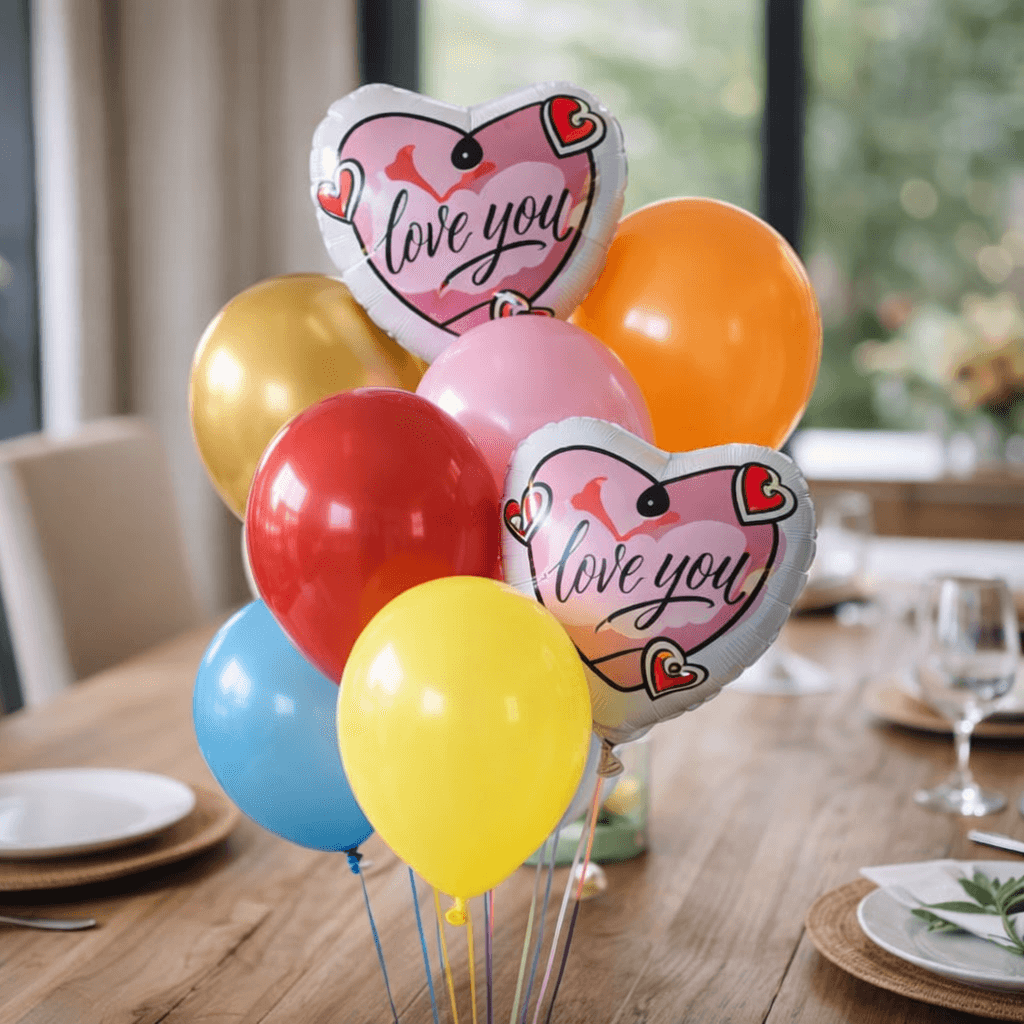
I Love You Balloon Bouquet
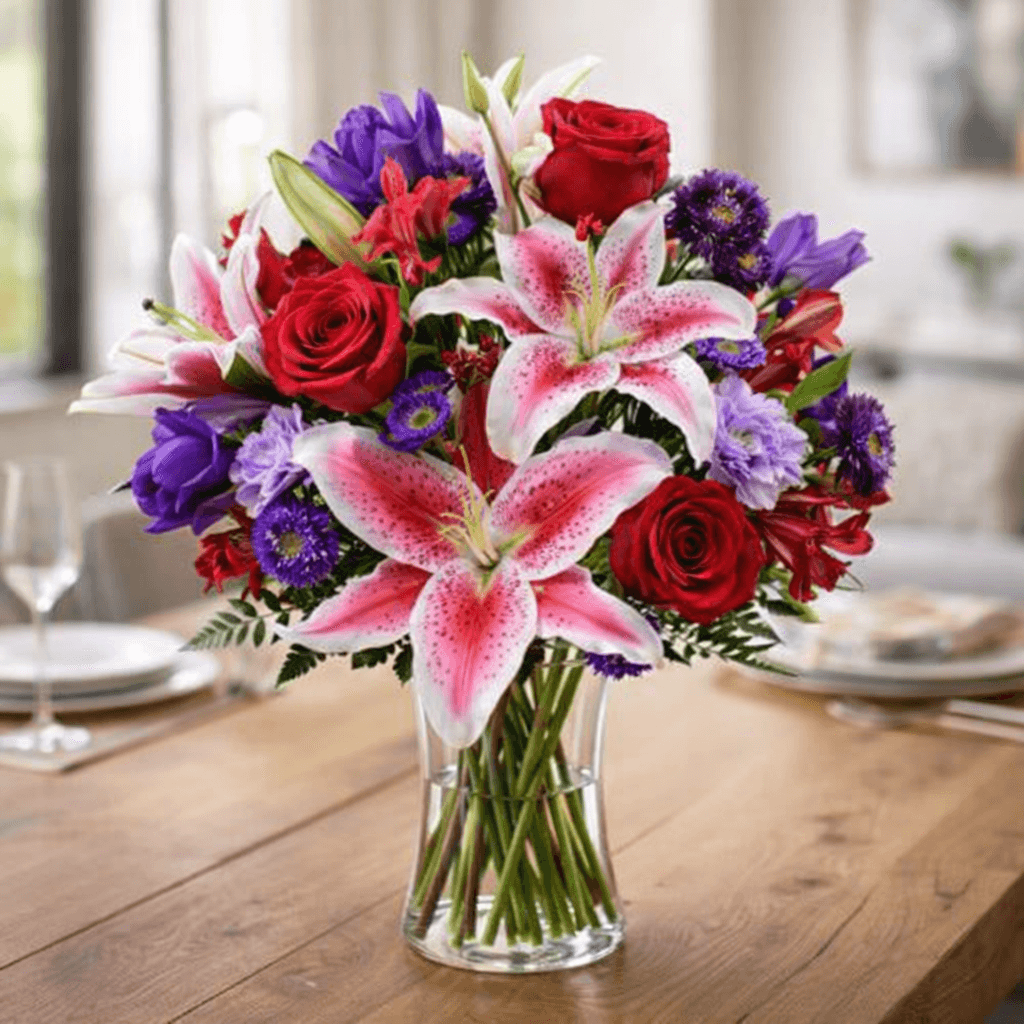
The Stunning Beauty Bouquet
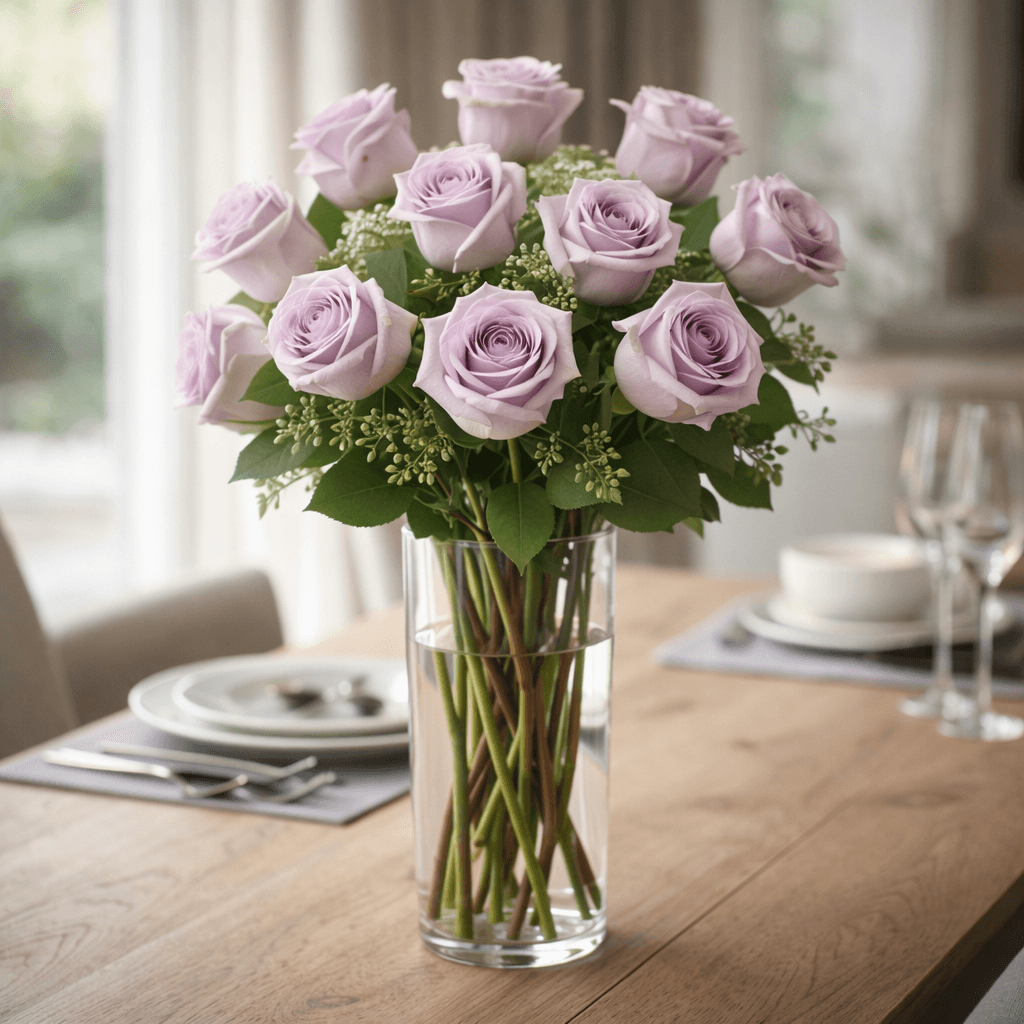
The Lavender Rose Bouquet
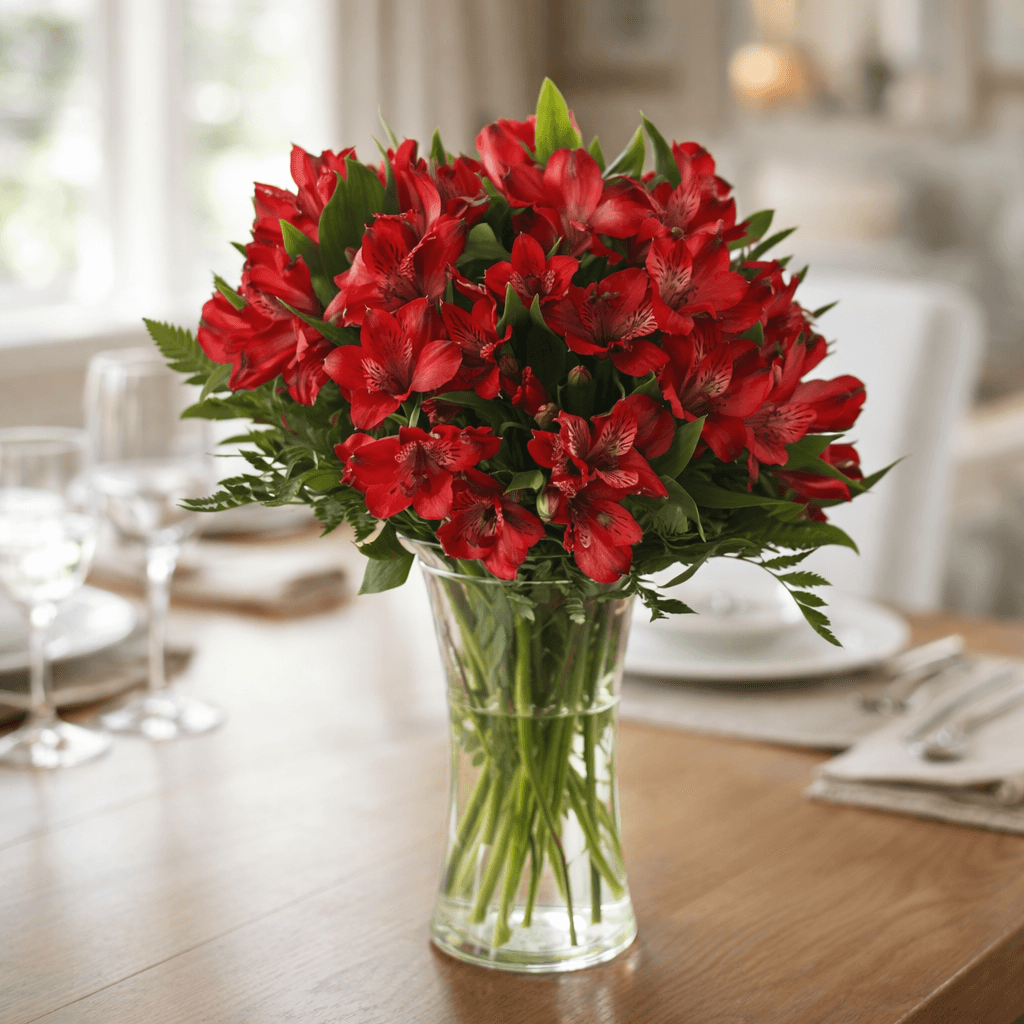
Lush
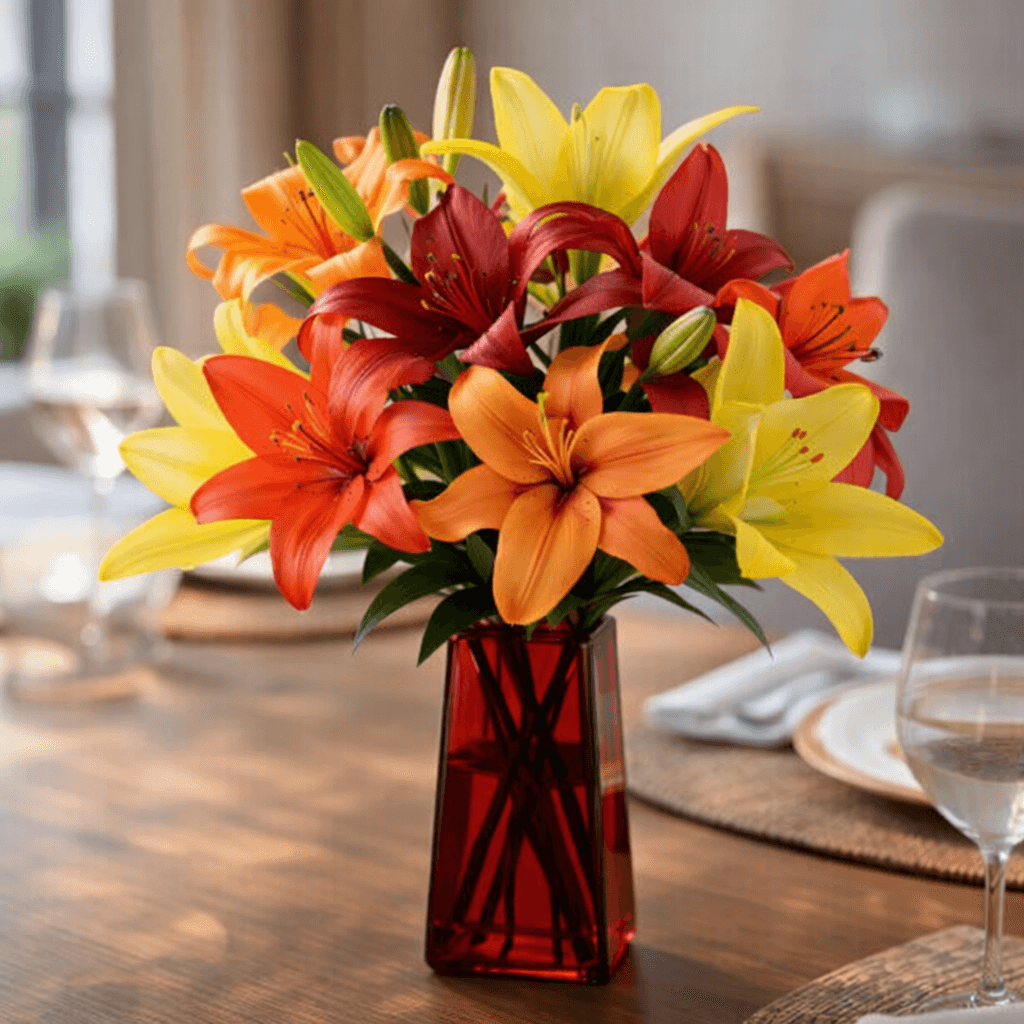
The Happy Thoughts Bouquet
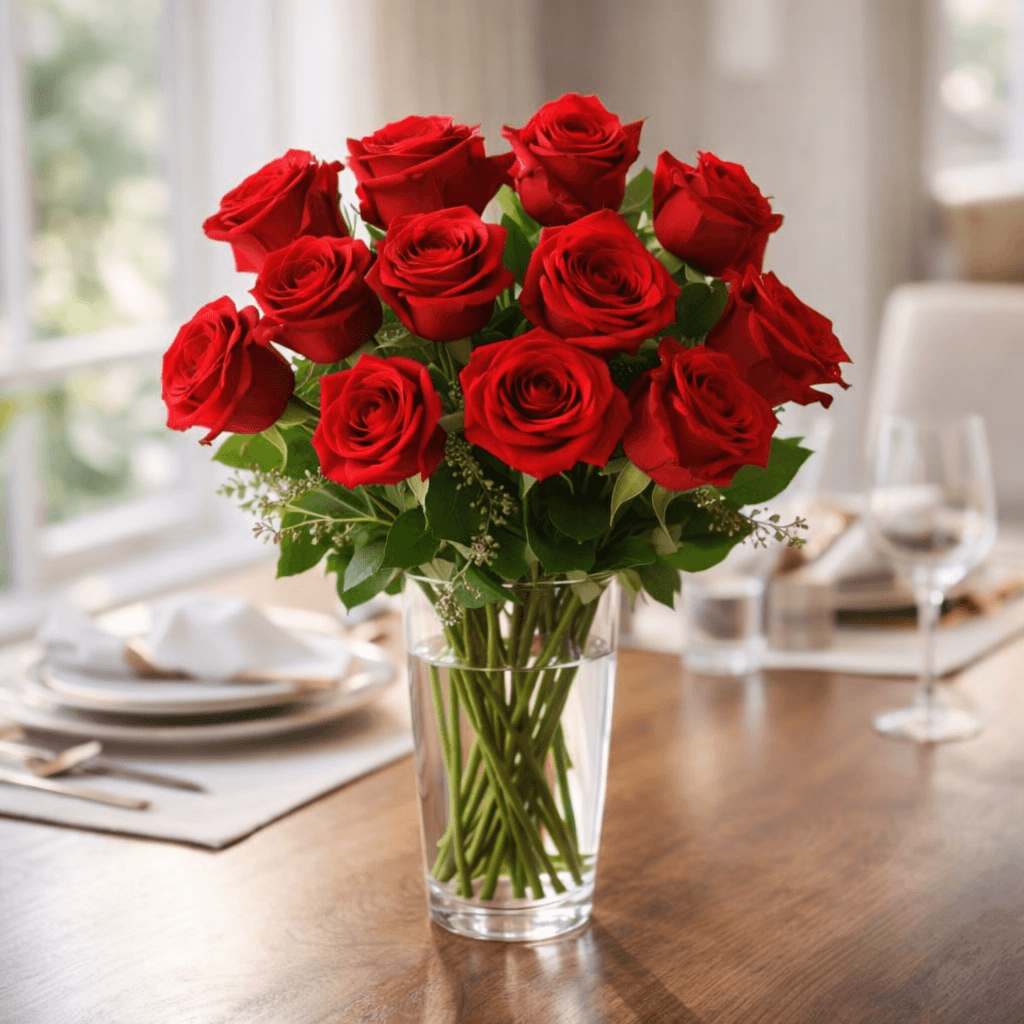
The Red Rose Bouquet
Keep exploring
Shop these arrangements
More from the blog
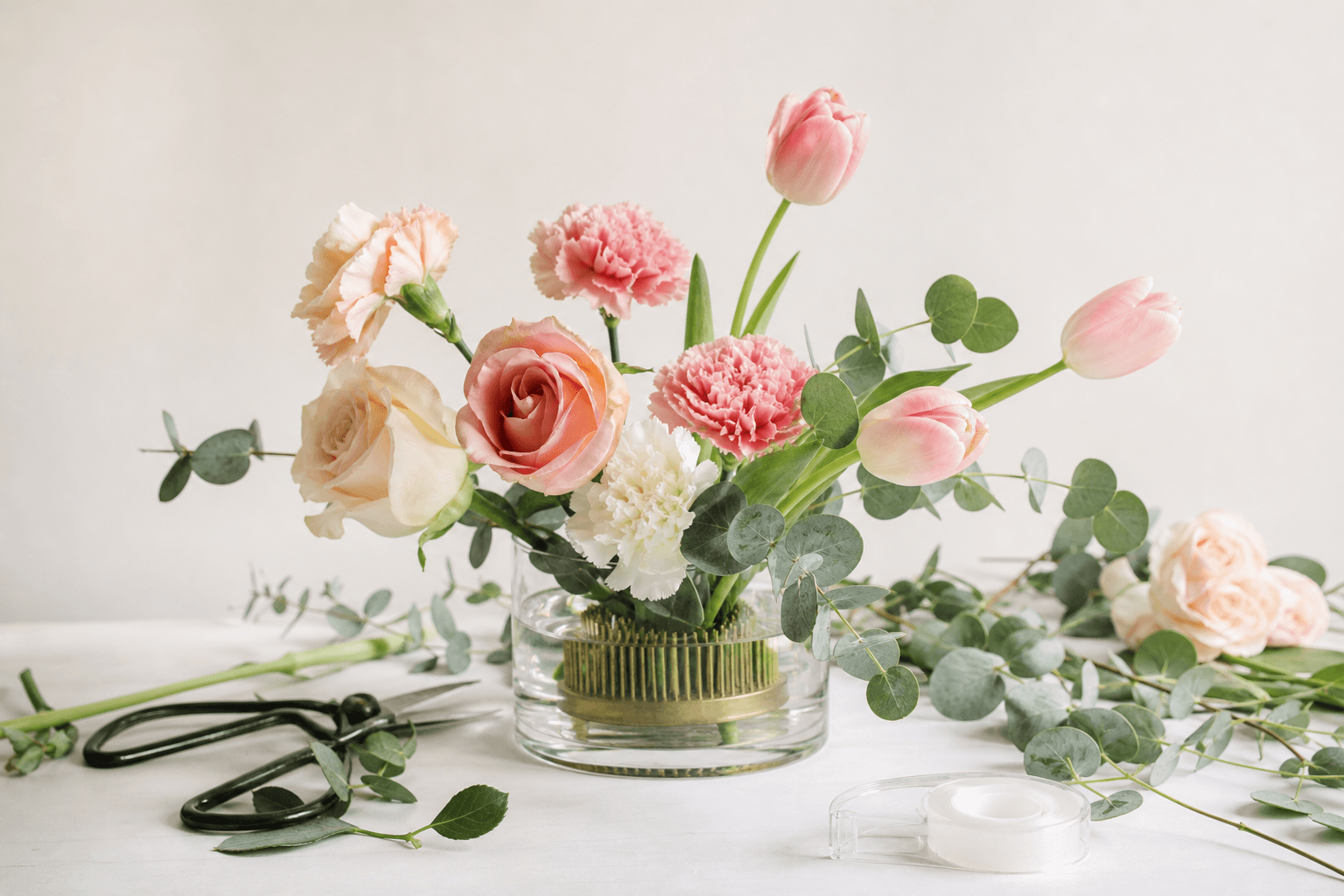
What Is a Flower Frog? How to Use One in a Vase
A flower frog holds stems in place without floral foam. This guide explains pin, cage and glass frogs, plus tape grids and chicken wire for low bowls and everyday vases.
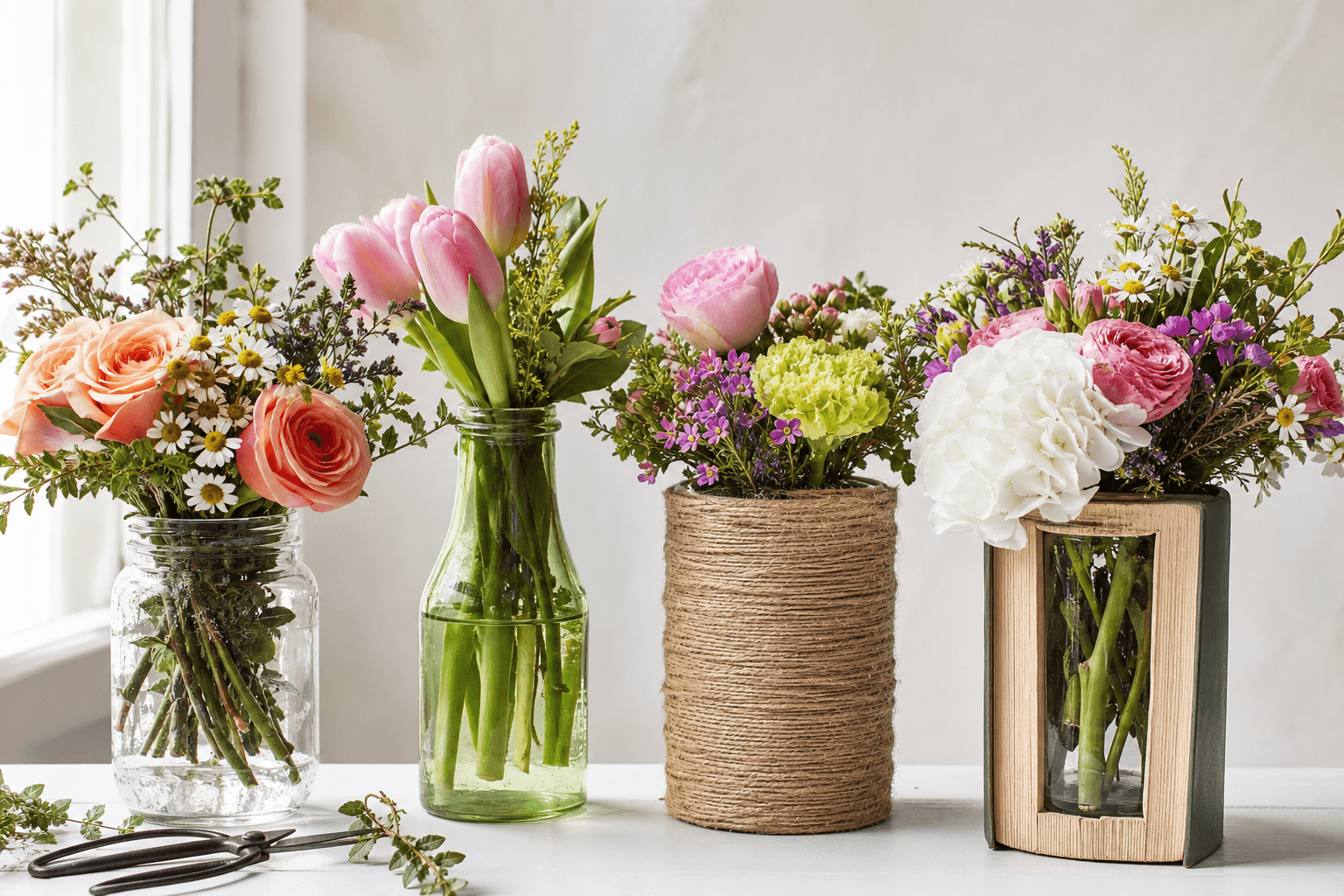
How to Make a DIY Flower Vase From Things You Already Own
Turn jars, bottles, tins and even old books into usable flower vases. The key is choosing the right insert, keeping water contained, and matching the vessel to the flowers.
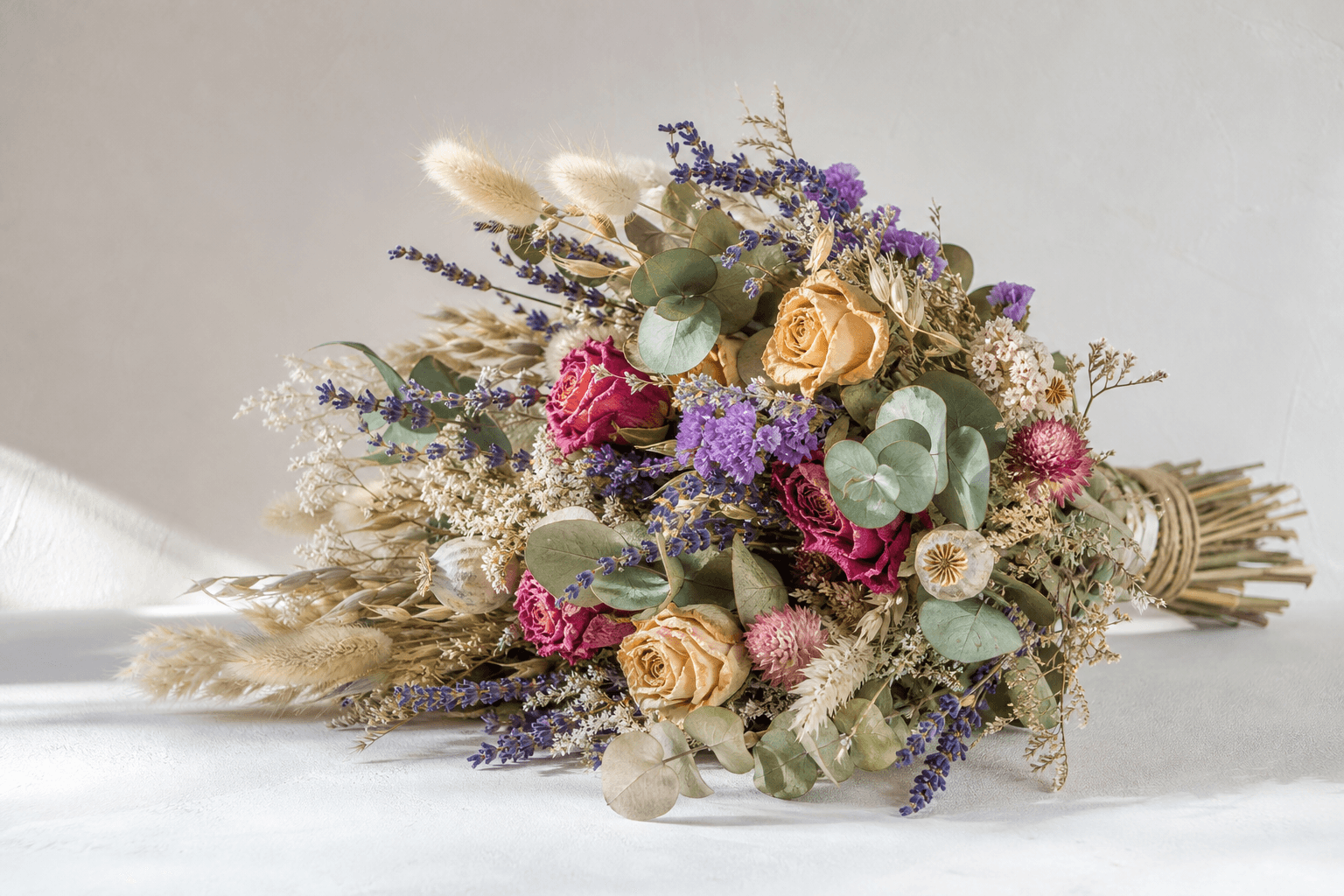
Dried Flowers: How to Make Them, Display Them and Make Them Last
A practical guide to drying flowers at home, choosing the right method, displaying a dried bouquet, and storing stems so they hold their shape and colour longer.