Amaryllis Care: From Bulb to Bloom, and Blooming Again Next Year
An amaryllis bulb goes from bare bulb to huge red or white trumpets in about six to ten weeks, which makes it one of the most satisfying winter plants there is. Here's how to plant it, keep it standing, make the flowers last, and coax it into blooming again next year.
As an Amazon Associate, Flowers on Demand earns from qualifying purchases. Links to Amazon.ca in this article are affiliate links: if you buy through one we may earn a small commission, at no extra cost to you. How we choose links
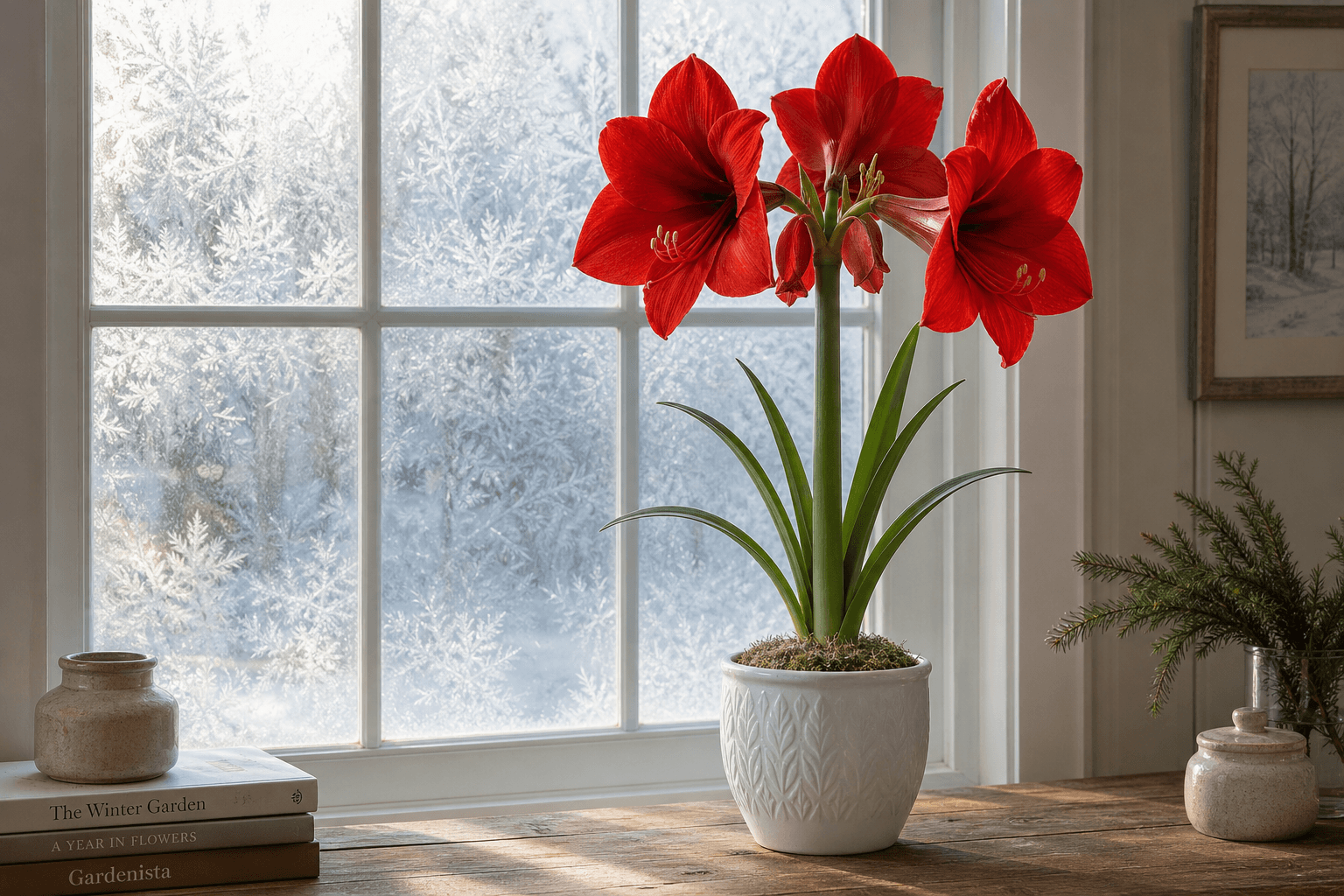
Few winter plants put on a show like an amaryllis. A bare, dry bulb sends up a thick stalk, and a few weeks later it opens four or more trumpet flowers the size of a hand, in red, white, pink, salmon or striped. In the darkest part of a Canadian winter, that's hard to beat.
The good news is that amaryllis is forgiving. The bulb already holds most of what it needs to flower the first time. Getting it to bloom again next year takes a little more effort, and this guide covers both.
One note on names: the big holiday bulbs are botanically Hippeastrum, native to Central and South America. The true Amaryllis belladonna is a different South African plant that's rarely sold in Canada, but everyone, growers included, calls the holiday bulb amaryllis.
Choosing an amaryllis bulb
When you're buying a bulb, or checking one you were given:
- Bigger is better. Larger bulbs usually produce more stalks and more flowers.
- Firm and dry. Avoid bulbs that are soft, mouldy or squishy at the base.
- A green tip is fine. A bulb that has already started a shoot is simply eager.
- Waxed bulbs are a one-season gift. Bulbs dipped in coloured wax need no water and flower on their stored energy, but with no roots or leaves to rebuild, most growers treat them as decorations to enjoy once.
Planting an amaryllis bulb
Choose a heavy pot only slightly wider than the bulb, with about two or three centimetres of space around it, and a drainage hole. A heavy ceramic pot stops a top-heavy plant from tipping. Fill it with ordinary potting mix and set the bulb so the top third sits above the soil. Firm the mix around it, water once to settle it, and then water sparingly until you see new growth: wet soil and no roots is how bulbs rot.
Amaryllis care while it grows and blooms
Once the stalk is up, the routine is simple:
- Light: the brightest window you have. Low light makes a long, leaning stalk.
- Turn the pot a quarter turn every day or two so the stalk grows straight.
- Water when the top few centimetres of soil are dry, more often once the leaves are growing.
- Warmth of about 18 to 24°C speeds growth. Once the flowers open, a cooler spot out of direct sun makes them last longer.
- Stake tall stalks. A thin bamboo stake and a soft tie keep a heavy head from snapping the stem.
How long do amaryllis flowers last?
Each flower lasts several days to a week or so, and because the blooms on a stalk open in sequence, a single stalk usually looks good for about two weeks. Many bulbs send up a second stalk as the first finishes, which can stretch the show to a month or more. A cool room, roughly 15 to 18°C, out of direct sun, slows the flowers down noticeably.
Snip off the yellow pollen-covered anthers as each flower opens if you'd like to keep the pollen off the petals and your tablecloth. Cut amaryllis stems also work in a tall vase; the hollow stems last about a week, and our vase life guide covers the general tricks.
Amaryllis as Christmas flowers
For flowers at Christmas, plant in late October or early November. Bulbs vary, so plant a couple a few weeks apart if timing matters, and you'll have flowers through the holidays and into January. Red and white varieties are the traditional Christmas pairing, and a potted amaryllis beside a vase of red roses or white lilies makes a strong holiday table. Our Christmas centrepiece ideas have more on building one.
How to care for amaryllis after blooming
This is where most amaryllis end up in the compost, but the bulb can flower for years if you let it recharge:
- Cut off each flower as it fades, so the plant doesn't spend energy on seed.
- Cut the stalk a few centimetres above the bulb once it yellows. Leave the leaves alone; they're what refuels the bulb.
- Grow it as a houseplant in your sunniest window, watering when the soil is dry and feeding every two to four weeks with a balanced houseplant fertilizer.
- Summer outdoors. Once there's no risk of frost, usually late May or June in most of Canada, move the pot outside to a spot with morning sun, then bring it in before nights turn cold.
Dormancy and getting it to rebloom
In late summer or early fall, stop watering and bring the pot indoors. Over the next few weeks the leaves yellow and die back; cut them off once they're brown. Then store the bulb, in its pot or bare, somewhere cool, dark and dry, ideally around 10 to 13°C, for at least eight to ten weeks. An unheated basement room or a cool closet works.
When you're ready for flowers, refresh the top layer of soil (or repot into fresh potting mix every few years), bring it into a bright room, water once and wait. Flowers usually follow in six to ten weeks. A bulb that sends up only leaves needed more time growing in the sun last summer; keep feeding it and try again next year.
Amaryllis and pets
Amaryllis is toxic to cats and dogs. The ASPCA lists vomiting, drooling, diarrhea, abdominal pain, lethargy and, in larger amounts, tremors among the signs, and the bulb is generally considered the most toxic part. Keep the plant, and especially loose bulbs in storage, away from pets. If you want a holiday plant that's safe around cats, the Christmas cactus is the better choice, and our guide to flowers safe for cats covers bouquets.
Red and white flowers for the holidays
We don't deliver amaryllis bulbs, but we do deliver the same red-and-white look. The Holiday Enchantment Bouquet pairs white snowball chrysanthemums with red roses and carnations, and the WhitePoinsettia Basket (Small) is a potted plant that lasts well past New Year's with the right care (see our poinsettia care guide). You'll find more in our red flowers and white flowers.
Sending red and white holiday flowers anywhere in Canada
Flowers on Demand delivers across every province and territory through a network of local florists, who arrange and hand-deliver each order. Delivery is a flat $19.99. For same-day delivery, order before 1:00 PM in the recipient's time zone, Monday to Saturday; there's no Sunday delivery. December is a peak season, so cutoffs can be earlier in the weeks before Christmas: order a day or two ahead if you can.
Start with our Christmas collection, or find the town you're sending to on our delivery cities page. Local florists occasionally swap a stem for one of similar style and value when a flower is short, so if one flower matters most, say so in the card or delivery note.
Common questions
- How do you care for an amaryllis after it blooms?
- Cut off the faded flowers, then the stalk once it yellows, but keep the leaves. Grow it in a sunny spot with regular water and fertilizer through summer, then let it go dormant in a cool, dark, dry place for eight to ten weeks before restarting it.
- How long do amaryllis flowers last?
- Each flower lasts several days to about a week, and a stalk usually looks good for around two weeks. A second stalk can extend the show to a month or more, especially in a cool room.
- How long does an amaryllis bulb take to bloom?
- Usually six to ten weeks after planting, depending on the bulb and how warm and bright the room is.
- Can you get a waxed amaryllis to bloom again?
- Rarely. Waxed bulbs flower on stored energy and can't grow roots through the wax, so most people enjoy them for one season.
- Is amaryllis toxic to cats and dogs?
- Yes. The ASPCA lists amaryllis as toxic to cats and dogs, with the bulb generally considered the most toxic part. Keep plants and stored bulbs out of reach.
Arrangements to send
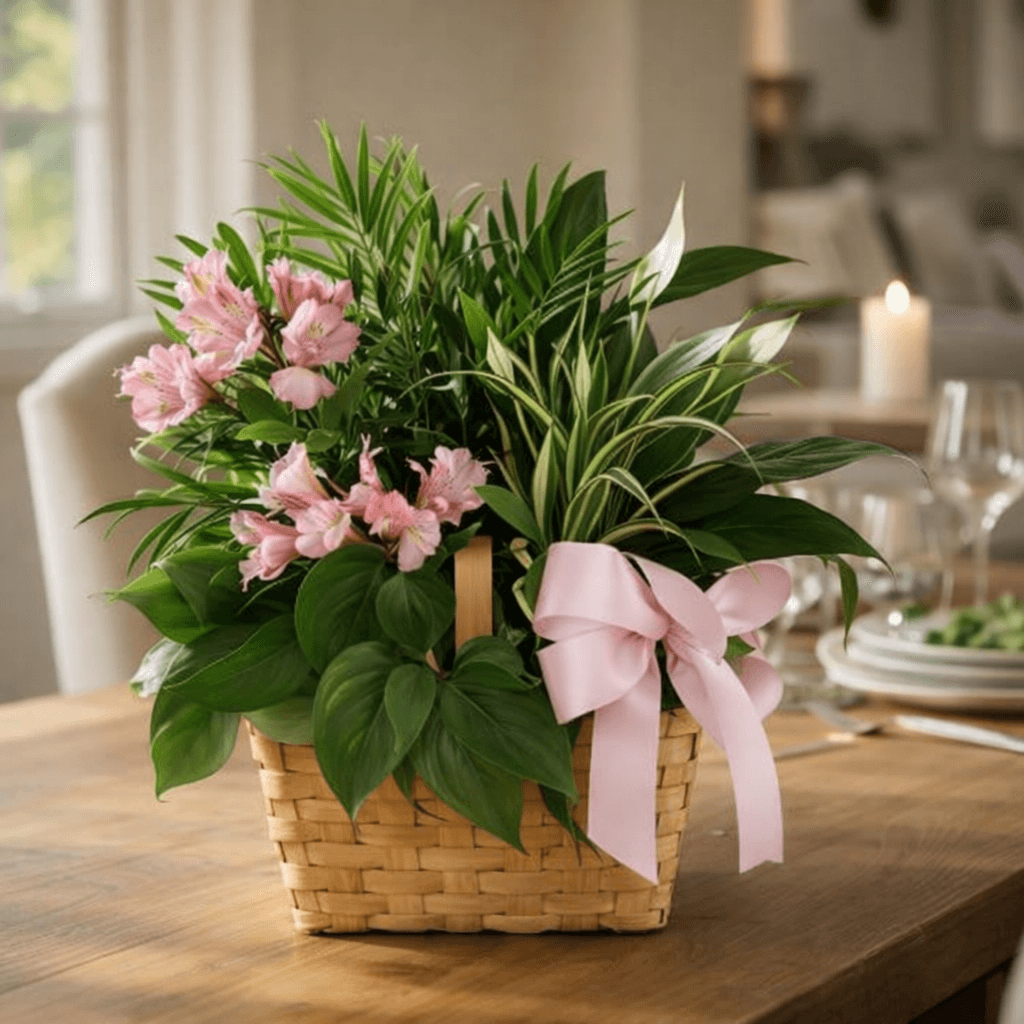
Living Spirit Dishgarden
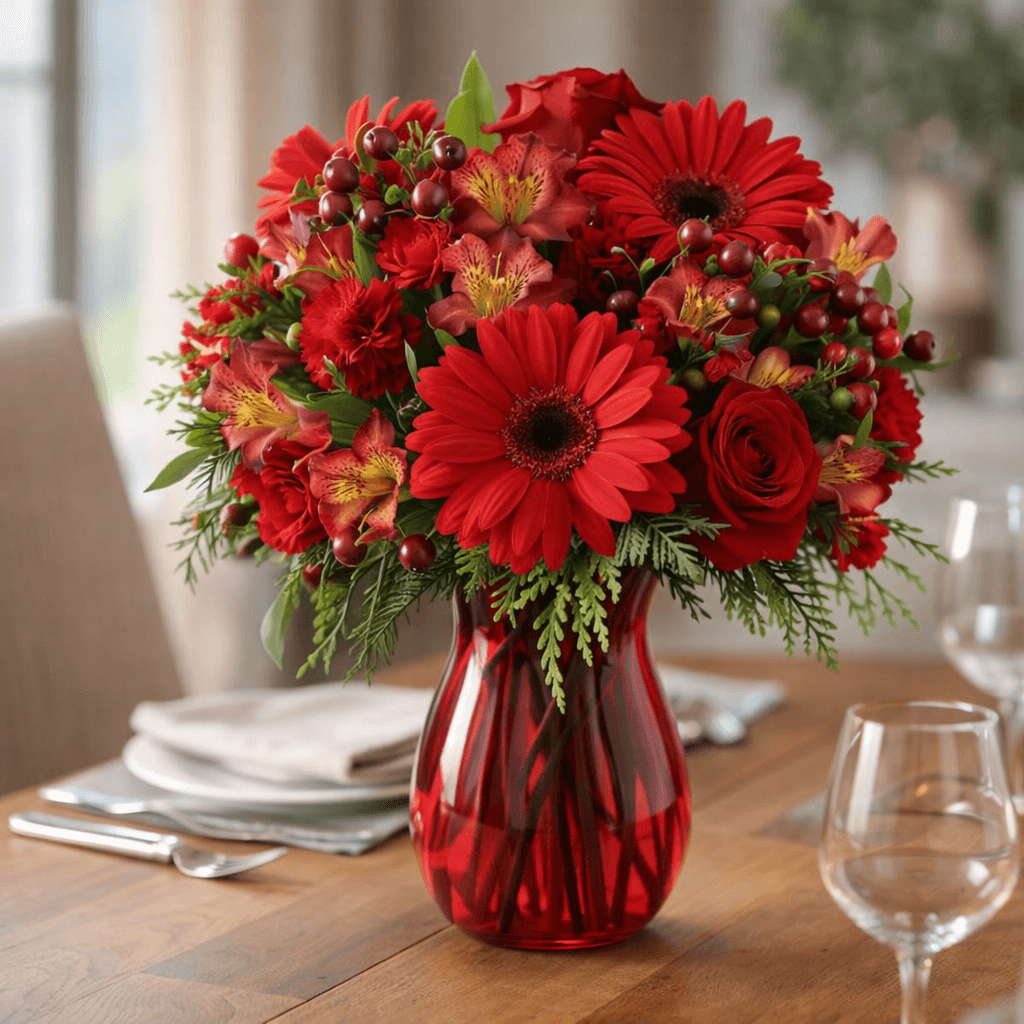
The Spirit of the Season Bouquet

Red Poinsettia Basket (Large)
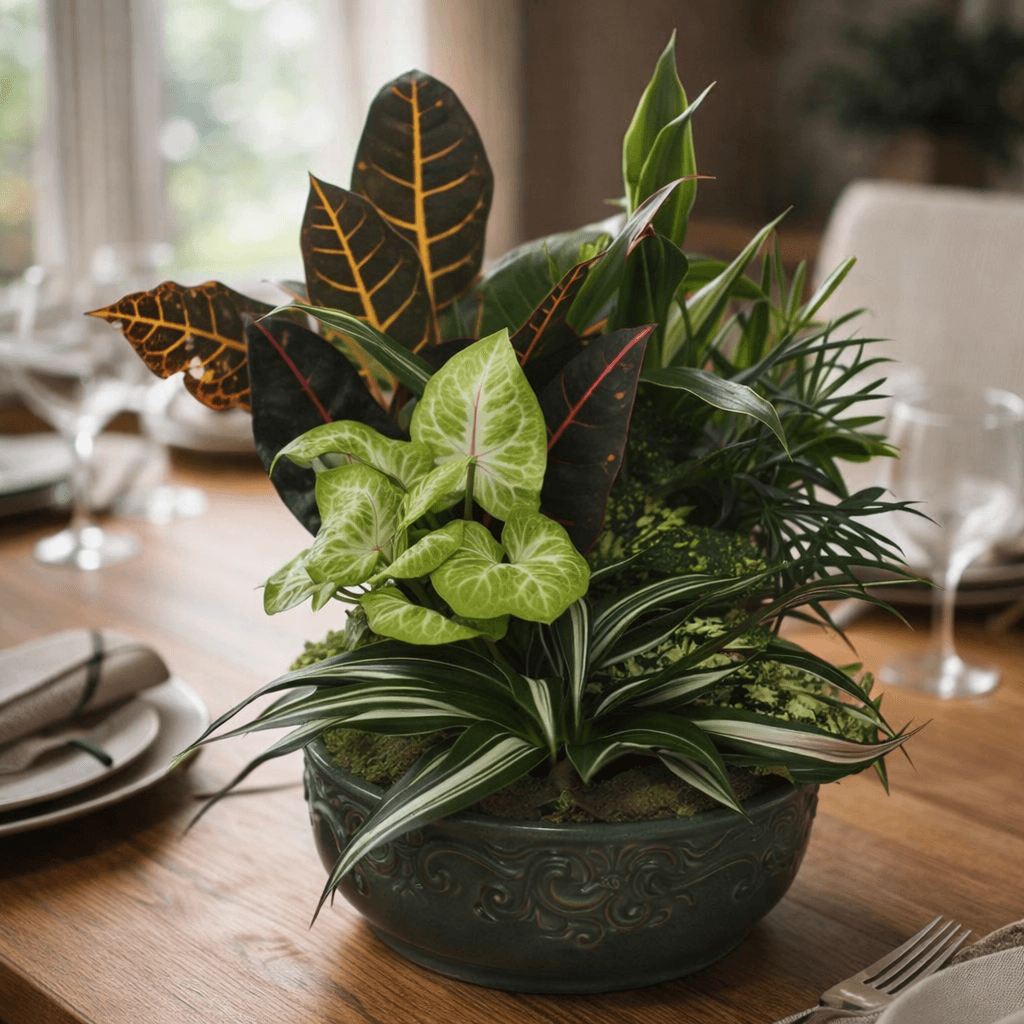
Mixed Plant Dish Garden
Your Light Shines
A basket of Mixed Garden Flowers
Keep exploring
More reading
More from the blog
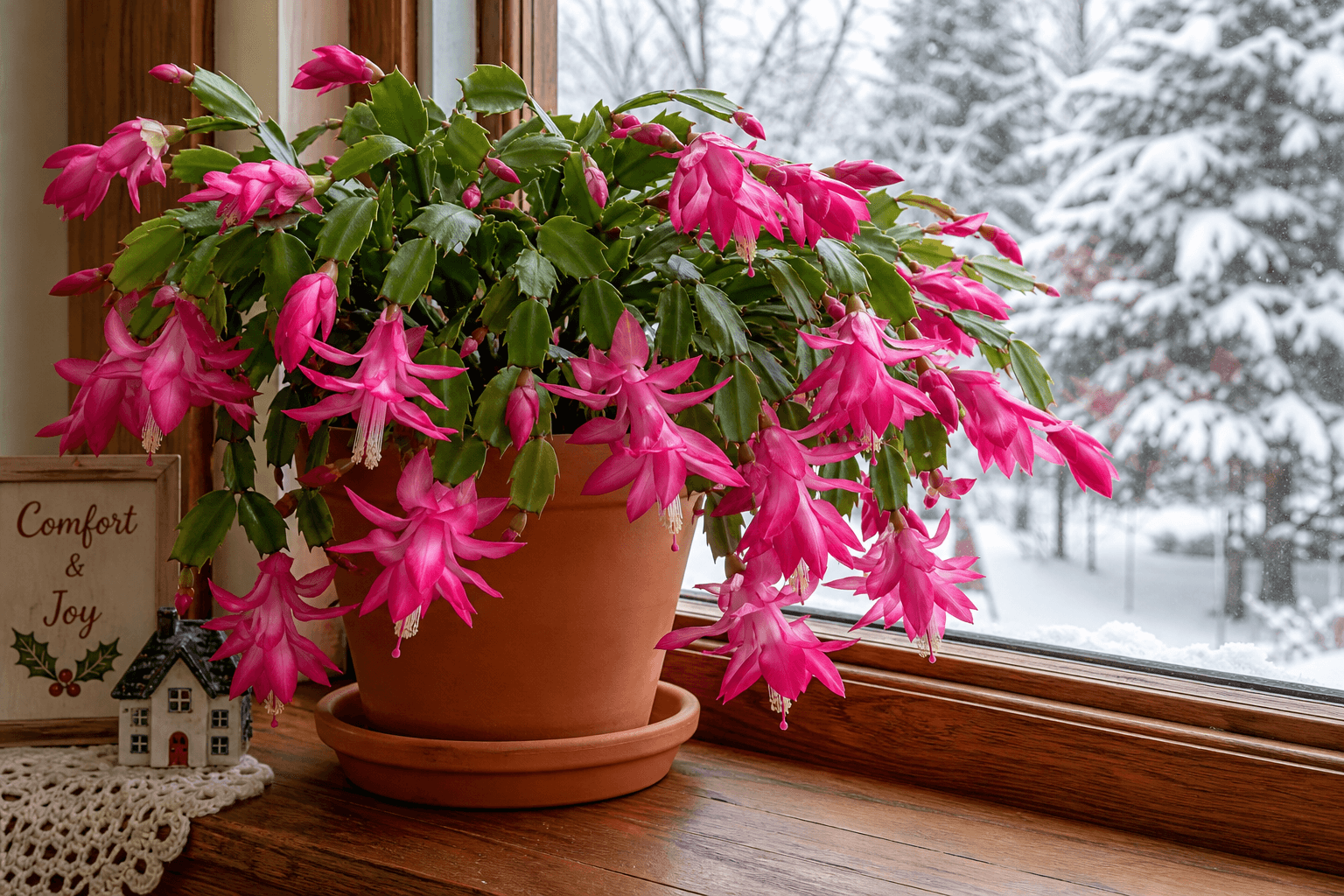
Christmas Cactus Care: Watering, Light and Getting It to Bloom
A Christmas cactus can live for decades and flower every winter, but it isn't a desert cactus and doesn't want to be treated like one. Here's how to water it, where to keep it, how to get it to bloom on time, and why the buds sometimes drop.
Flowers Safe for Cats, and the Ones to Keep Out of the House
Most bouquet flowers will at worst upset a cat's stomach. Lilies are different: a little pollen licked off a cat's fur can cause kidney failure. Here's which flowers are safe, which aren't, and how to send flowers to a home with a cat.
Poinsettia Care: How to Keep One Looking Good Past New Year's
Most poinsettias that die before January are killed by two things: cold on the way home and too much water. Here's how to keep one looking good in a dry, heated Canadian house, and how to make it colour up again next year.