Christmas Cactus Care: Watering, Light and Getting It to Bloom
A Christmas cactus can live for decades and flower every winter, but it isn't a desert cactus and doesn't want to be treated like one. Here's how to water it, where to keep it, how to get it to bloom on time, and why the buds sometimes drop.
As an Amazon Associate, Flowers on Demand earns from qualifying purchases. Links to Amazon.ca in this article are affiliate links: if you buy through one we may earn a small commission, at no extra cost to you. How we choose links
The Christmas cactus is one of the few houseplants that gets handed down. Plenty of Canadian families have one that started as a cutting from a grandmother's plant.
It's an easy plant once you know one thing: it isn't a desert cactus. Schlumbergera grows wild in the coastal mountain forests of southeastern Brazil, perched in the branches of trees where it's shaded, humid and never bone dry for long. Treat it like a forest plant rather than a cactus and most problems go away.
Christmas cactus care at a glance
If you only read one section, make it this one:
- Light: bright but indirect. An east window is ideal; a south or west window needs a sheer curtain.
- Water: when the top two or three centimetres of soil are dry. Never let it sit in water.
- Temperature: ordinary room temperature most of the year, cooler in fall to set buds.
- Soil: a fast-draining mix in a pot with a drainage hole.
- Food: half-strength houseplant fertilizer in spring and summer, none from early fall.
- Blooming: long nights and cool temperatures in October and November.
Christmas cactus vs Thanksgiving cactus
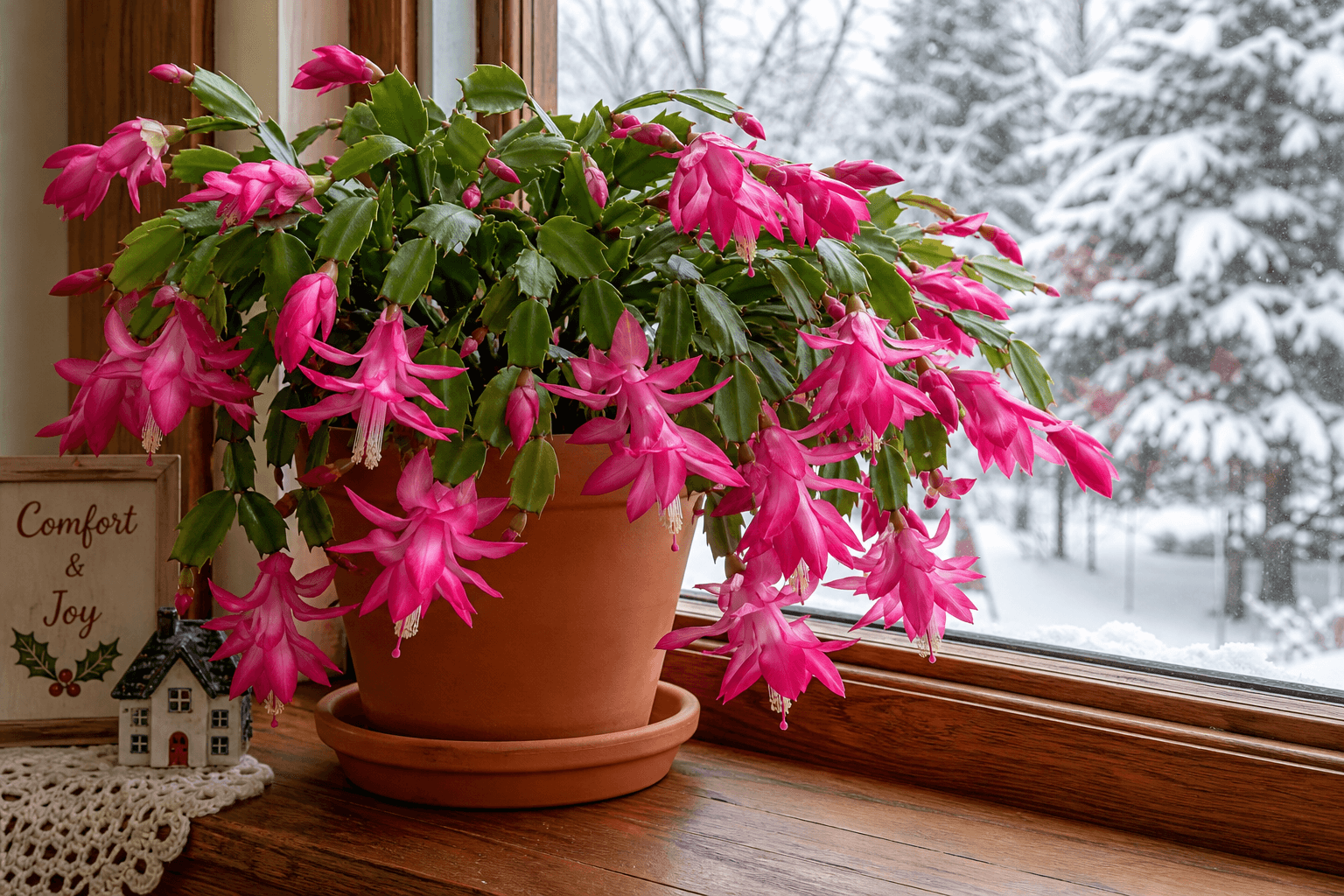
Many plants sold as "Christmas cactus" are actually Thanksgiving cactus, Schlumbergera truncata, which naturally blooms in November. If yours flowers in mid-November, that's almost certainly what you have. The two are close relatives and need exactly the same care, and the easiest way to tell them apart is the flat stem segments:
- Thanksgiving cactus: pointed, claw-like teeth along the edges of each segment, and flowers that tend to be held more horizontally.
- Christmas cactus (Schlumbergera × buckleyi): smooth, rounded, scalloped edges and flowers that hang down a little more.
- Easter cactus, a more distant cousin: bristly segment tips and star-shaped flowers that open in spring.
Christmas cactus watering
Overwatering kills more of these plants than anything else. Water thoroughly when the top two or three centimetres of soil feel dry, let the excess run out of the drainage hole, and empty the saucer after fifteen minutes. In a warm Canadian apartment that's often once a week; in a cool room it might be every ten days or two weeks.
Soggy soil rots the roots, and the first sign is limp, wrinkled segments, which looks confusingly like thirst. Check the soil before you add more water.
Furnace heat makes winter air very dry, and this forest plant prefers some humidity. A tray of pebbles and water under the pot, or grouping it with other plants, helps. A moisture meter takes the guesswork out if you tend to water on a schedule.
Light, soil and feeding
Bright, indirect light keeps the segments green and plump; harsh summer sun turns them reddish, and too little light means few flowers. Room temperatures of about 18 to 24°C suit it most of the year, and it can spend the summer outdoors in a shady spot once nights stay above about 10°C. Bring it in well before the first frost.
Use a fast-draining mix: a cactus and succulent mix blended with some regular potting soil or orchid bark works well. Whatever you choose, the pot needs a drainage hole; a decorative pot without one is fine only as an outer sleeve. Feed every two to four weeks from spring to late summer with a half-strength houseplant fertilizer, then stop in early fall so the plant can switch from growing to budding.
How to get a Christmas cactus to bloom
Christmas and Thanksgiving cacti set flower buds in response to long nights, cool temperatures, or both. Starting in late September or October, about six to eight weeks before you want flowers:
- Give it long nights. Around 12 to 14 hours of uninterrupted darkness a night. A spare room that nobody switches the light on in works; so does a closet overnight, or a box over the plant from early evening to morning.
- Keep it cool. Night temperatures of about 10 to 15°C encourage buds strongly. A cool porch that stays above freezing, an unheated sunroom or a basement window can all work.
- Water a little less. Let the soil dry slightly more between waterings than usual, without letting the segments shrivel.
- Stop feeding. No fertilizer from early fall until the buds are set.
Why Christmas cactus buds drop
Once you see small buds at the segment tips, move the plant back to its winter spot, resume normal watering and leave it alone. A plant that drops its buds has almost always had a shock of some kind. The common causes are moving the plant once buds have formed, a sudden swing in temperature (a cold draft from a door, or a hot air register), soil that's gone very dry or very wet, and a sharp change in light. Pick its winter spot before buds appear, keep the watering steady, and turn the pot as little as you can until it finishes flowering.
Repotting and propagating
Christmas cacti flower best when they're a little snug in the pot, so repot only every two or three years, in spring after flowering, going up just one pot size.
They're also among the easiest plants to share. Twist off a piece two or three segments long, let the broken end dry for a day, and push it about a centimetre into damp potting mix. Roots usually form within a few weeks. A rooted cutting makes a lovely gift for anyone who admired the parent plant.
Is a Christmas cactus toxic to cats?
No. The ASPCA lists the Christmas cactus as non-toxic to cats and dogs, which makes it one of the safest flowering plants you can keep or give at Christmas. A pet that chews a lot of it may still get a mildly upset stomach from the plant material, so it's worth keeping it out of reach of a determined nibbler.
Other holiday plants are a different story. Poinsettias are mildly irritating (see our poinsettia care guide), amaryllis is toxic to cats and dogs (see amaryllis care), and true lilies in holiday bouquets are dangerous to cats. Our list of flowers safe for cats covers the rest.
Holiday plants we deliver
We don't send Christmas cacti, but a potted plant is still one of the best holiday gifts for anyone who'd rather keep something growing than watch a bouquet fade. A Red Poinsettia Basket (Small) is the classic, and the Mixed Plant Dish Garden of indoor foliage suits someone who likes greenery all year. Browse our plants, or see our guide to Christmas flowers for the cut-flower side of the season.
Sending Christmas flowers and plants anywhere in Canada
Flowers on Demand delivers across every province and territory through a network of local florists, who arrange and hand-deliver each order. Delivery is a flat $19.99. For same-day delivery, order before 1:00 PM in the recipient's time zone, Monday to Saturday; there's no Sunday delivery. December is a peak season, so cutoffs can be earlier in the weeks before Christmas: order a day or two ahead if you can.
Start with our Christmas collection, or find the town you're sending to on our delivery cities page. Local florists occasionally swap a stem for one of similar style and value when a flower is short, so if one flower matters most, say so in the card or delivery note.
Common questions
- How do I get my Christmas cactus to bloom?
- Give it long nights (12 to 14 hours of darkness) and cool nights of about 10 to 15°C for six to eight weeks from late September or October, water slightly less and stop fertilizing. Move it back to its usual spot once buds appear.
- What is the difference between a Christmas cactus and a Thanksgiving cactus?
- The Thanksgiving cactus has pointed, claw-like teeth on its stem segments and blooms in November. The Christmas cactus has smooth, rounded edges and blooms closer to December. Their care is the same.
- How often should I water a Christmas cactus?
- When the top two or three centimetres of soil are dry, which is often about once a week indoors. Water thoroughly, let it drain and never leave it sitting in water.
- Is a Christmas cactus toxic to cats?
- No. The ASPCA lists it as non-toxic to cats and dogs. Eating a lot of any plant can upset a pet's stomach, so keep it out of reach of chewers.
- Why are the buds falling off my Christmas cactus?
- Usually a shock: moving the plant after buds form, a cold draft or blast of heat, or soil that's become very dry or very wet. Keep it in one spot with steady watering until it finishes blooming.
Arrangements to send
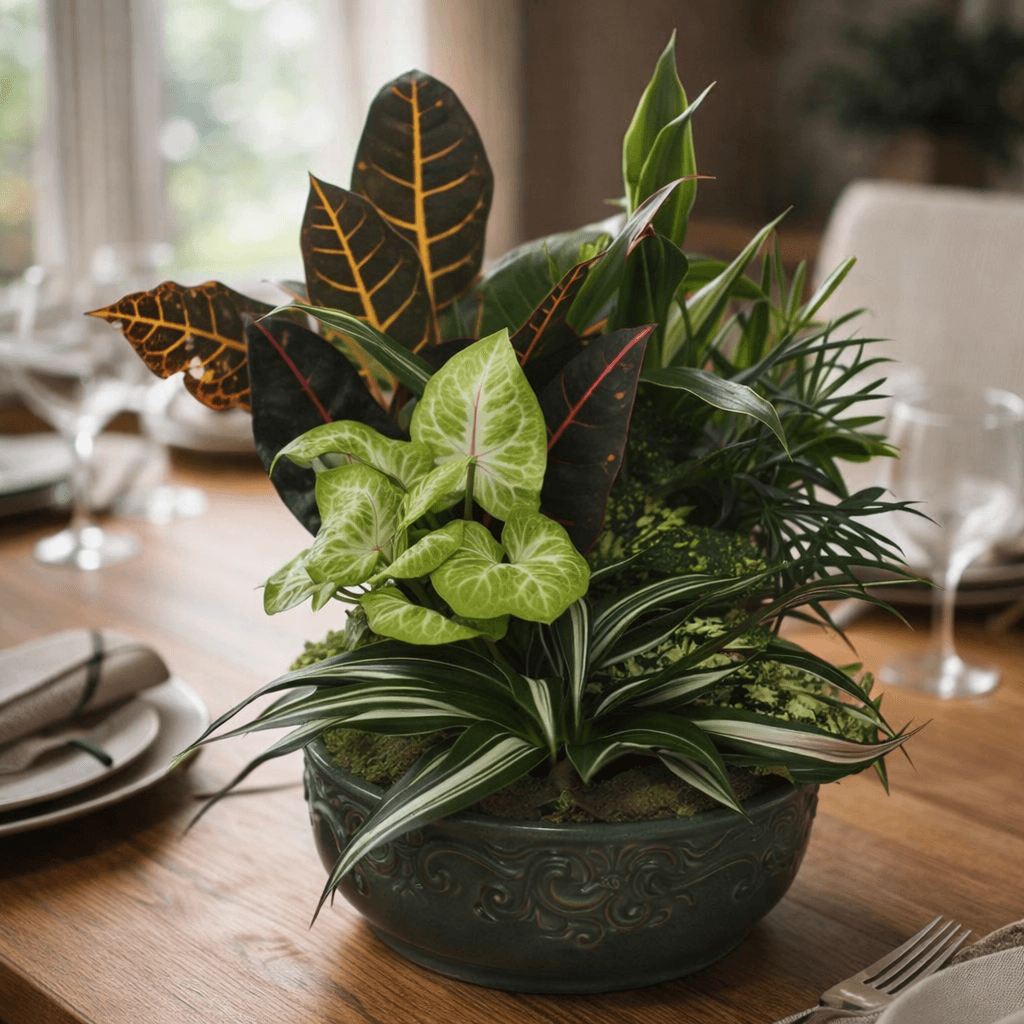
Mixed Plant Dish Garden
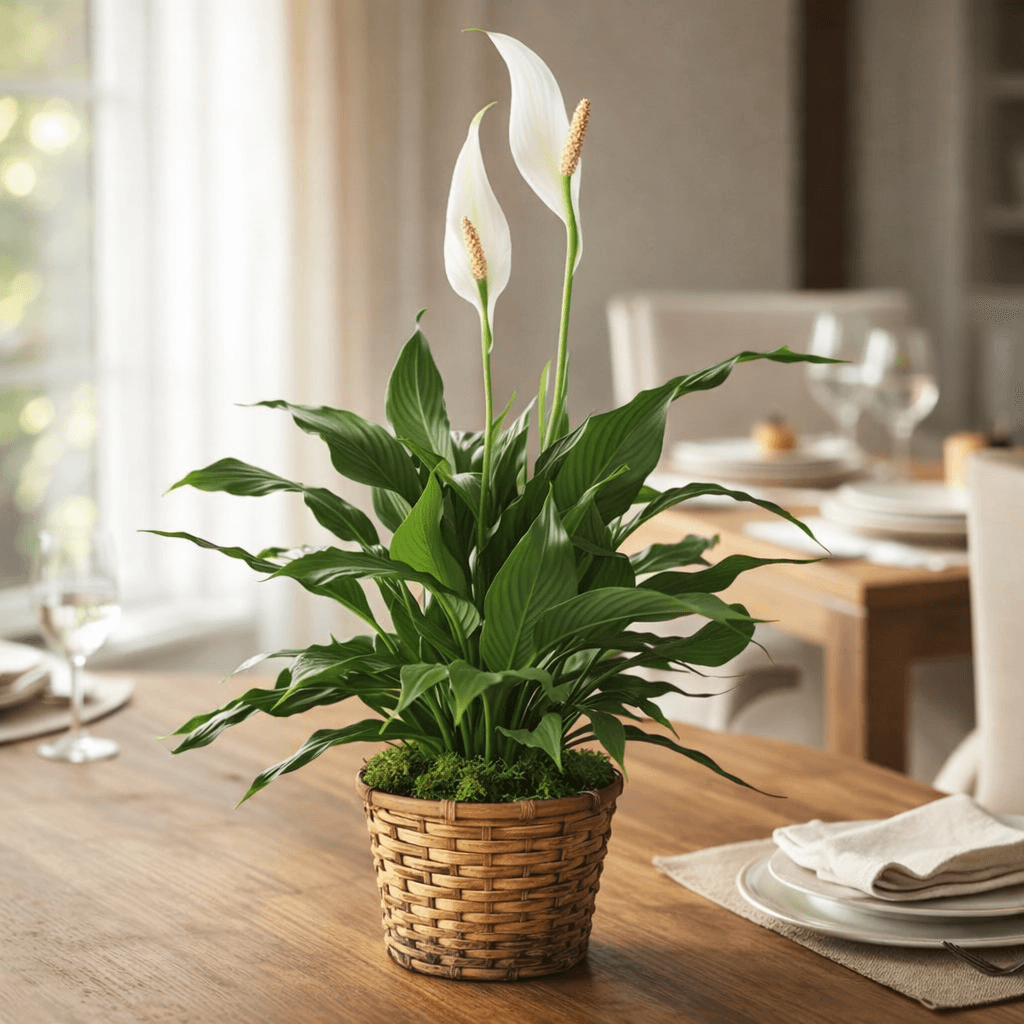
Simply Elegant Spathiphyllum
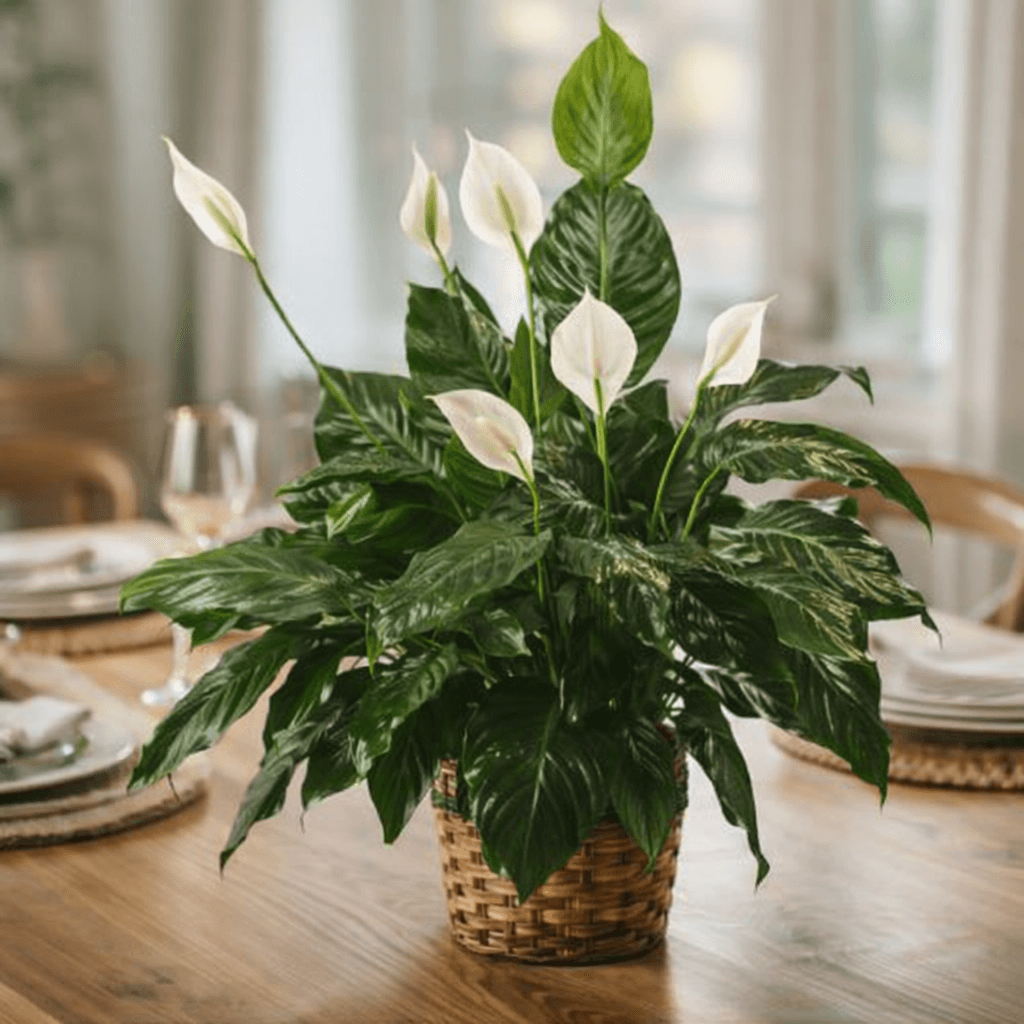
The Peace Lily

Small Garden Dish

Emerald Garden Basket

The Season's Glow Centerpiece
Keep exploring
More reading
More from the blog
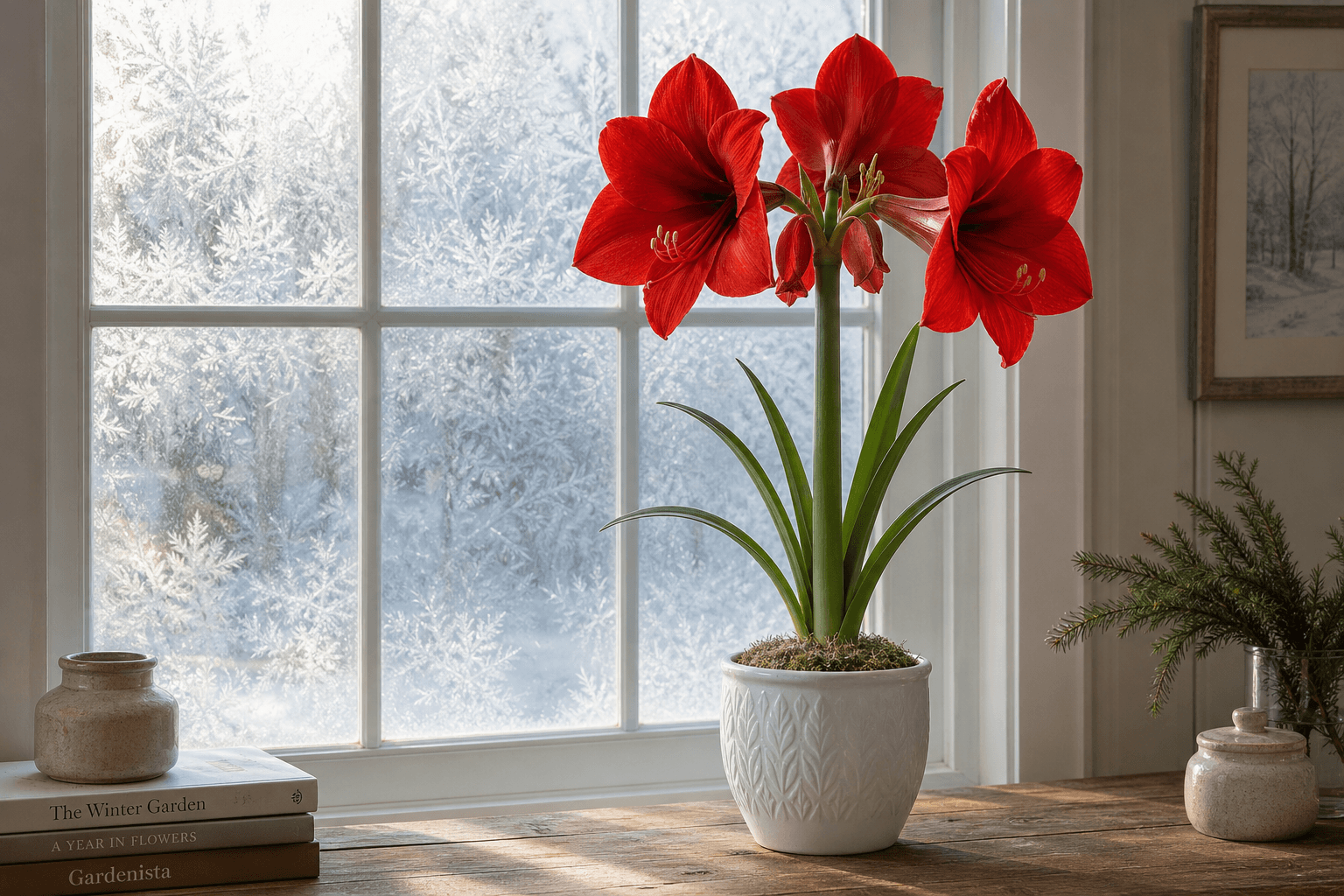
Amaryllis Care: From Bulb to Bloom, and Blooming Again Next Year
An amaryllis bulb goes from bare bulb to huge red or white trumpets in about six to ten weeks, which makes it one of the most satisfying winter plants there is. Here's how to plant it, keep it standing, make the flowers last, and coax it into blooming again next year.
Flowers Safe for Cats, and the Ones to Keep Out of the House
Most bouquet flowers will at worst upset a cat's stomach. Lilies are different: a little pollen licked off a cat's fur can cause kidney failure. Here's which flowers are safe, which aren't, and how to send flowers to a home with a cat.
Poinsettia Care: How to Keep One Looking Good Past New Year's
Most poinsettias that die before January are killed by two things: cold on the way home and too much water. Here's how to keep one looking good in a dry, heated Canadian house, and how to make it colour up again next year.