Poinsettia Care: How to Keep One Looking Good Past New Year's
Most poinsettias that die before January are killed by two things: cold on the way home and too much water. Here's how to keep one looking good in a dry, heated Canadian house, and how to make it colour up again next year.
As an Amazon Associate, Flowers on Demand earns from qualifying purchases. Links to Amazon.ca in this article are affiliate links: if you buy through one we may earn a small commission, at no extra cost to you. How we choose links
Poinsettias are the plant of the Canadian holiday season, and also the one most often in the green bin by mid-January. They aren't fussy plants. They're tropical shrubs from Mexico that end up in a Canadian December, and almost every problem traces back to cold, water or a heat vent.
This guide covers what to do the day one arrives, how to water it in a heated house, what falling leaves are telling you, and how to bring one back into colour next Christmas if you want to try. If you're sending one, our white poinsettia baskets are delivered by a local florist anywhere in Canada.
The first hour: get it out of the cold and out of the sleeve
Poinsettias are damaged by temperatures below about 10°C, and a few minutes of Canadian winter between the car and the front door can be enough. The damage often doesn't show for a day or two, then the leaves darken, droop and drop. Carry one home in a bag or wrapped in paper, and don't leave it in a cold car while you finish your shopping. Florists wrap them for the walk from the van to the door for the same reason.
Take the plastic or paper sleeve off as soon as it's inside. A plant left in its sleeve droops quickly. Most poinsettias also come in a decorative foil wrap, which looks festive but holds water against the roots. Either poke a few holes in the bottom of the foil and set it on a saucer, or take the pot out of the foil to water it.
Light and temperature
Give it the brightest spot you have that isn't touching cold glass: near a south, east or west window, with at least six hours of bright, indirect light a day. A poinsettia in a dim corner keeps its colour for a while, then starts dropping leaves.
Ordinary room temperature suits it, roughly 18 to 22°C during the day and not much below 15°C at night. What it hates is a change. Keep it away from drafty doors, cold windowsills, heat registers, radiators, fireplaces and the top of the TV. A plant that's fine on Monday and dropping leaves on Wednesday has usually been moved next to one of these.
Watering: the thing that kills most poinsettias
Overwatering kills more poinsettias than anything else, and underwatering runs a close second in a dry, heated house. The fix is to check instead of watering on a schedule. Push a finger into the soil: when the top two or three centimetres feel dry, it's time. In a warm house that's often every two to four days for a standard 15 cm (6") pot. A simple soil moisture meter takes the guessing out of it if you'd rather not dig into the pot.
When you water, do it thoroughly. Take the pot to the sink, water until it runs out the bottom, let it drain completely, then put it back. Never leave it standing in water in the foil, which rots the roots. Once the foil is off, a clear plant saucer under the pot keeps water off the windowsill or table.
A wilting poinsettia can be too dry or too wet, so check the soil before you reach for the watering can. Dry soil and a light pot mean it needs a drink, and it usually perks up within hours. Wet soil and wilting mean the roots are struggling, and more water will make it worse.
Why are the leaves falling off?
Leaf drop is a poinsettia's way of complaining. The pattern usually tells you why:
- Lots of leaves dropping a day or two after it arrived: cold damage on the way home, or a draft where it's sitting now.
- Lower leaves turning yellow, soil wet: too much water. Let it dry out more between waterings and make sure it isn't sitting in water.
- Wilting, soil dry, pot feels light: too little water. Water it thoroughly; it should recover.
- Coloured bracts browning or curling at the edges: hot, dry air. Move it away from the heat source.
- Colour fading in February or March: that's normal. The plant has finished its season.
How to pick one that lasts
The red, white or pink parts aren't petals. They're bracts, coloured leaves, which is why they hold their colour for weeks. The actual flowers are the small yellow-green buds in the centre of each bract cluster. A plant whose buds are still tight and green-yellow is fresh; one with buds that are open and shedding yellow pollen, or already falling off, is further along.
Look for dense, dark green leaves right down to the soil, stiff stems, and no wilting. Avoid plants that have been sitting near a store's automatic doors.
Are poinsettias poisonous?
Less than their reputation suggests. The ASPCA's Animal Poison Control Center lists them as irritating to the mouth and stomach of cats and dogs, sometimes causing vomiting, and describes them as generally overrated in toxicity. It's still kindest to keep the plant out of reach of a pet that chews things. The milky sap can irritate skin, and people with a latex allergy may react to it, so wear gloves if you're trimming one.
If your house has a cat, the plants and flowers to really worry about are lilies. Our guide to flowers that are safe for cats covers which ones are a genuine emergency.
Do poinsettias need fertiliser?
Not while they're in colour. A poinsettia bought or received in December has everything it needs for the season. If you're keeping it after the holidays, start feeding once new growth appears in spring: a balanced liquid houseplant food such as Schultz All Purpose plant food, at half the label strength, every two to four weeks through summer.
How to make a poinsettia rebloom next Christmas
It can be done, and it's a satisfying project, but be honest with yourself about the commitment: the key step is two months of strict nightly darkness every fall. Here's the calendar for most of southern Canada:
- January to March: keep it in bright light and water as above. It will gradually lose its colour.
- Late March or April: once the bracts fade, cut each stem back to about 15 cm and water a little less for a few weeks.
- May: repot into a container one size larger and start feeding. When nights stay above about 13°C, usually in early June, it can spend the summer outside in partial shade.
- June to early August: pinch the tip off each new shoot when it reaches about 10 cm, for a bushier plant. Stop pinching by early August.
- Late August or early September: bring it back inside before nights drop below about 13°C.
- From about October 1: give it 14 hours of complete darkness every night, for example 5 PM to 8 AM in a closet or under a box, and bright light during the day. Keep this up for eight to ten weeks. Even a lamp switched on for a few minutes can reset the clock.
- Late November to early December: the bracts colour up. Bring it back to its bright spot and enjoy it.
Sending a poinsettia this Christmas
A potted poinsettia is one of the easiest Christmas gifts to receive: no vase, no arranging, and weeks of colour. Our small and large white poinsettia baskets are a softer, wintry take on the classic red, and the rest of our Christmas collection has fresh arrangements if you'd rather send cut flowers.
Each order is arranged and delivered by a local florist near the recipient, for a flat $19.99 delivery anywhere in Canada. Order by 1:00 PM in their time zone, Monday to Saturday, for same-day delivery, and by December 22 to be safe for Christmas, when florists' routes fill up early. Because we deliver in winter, the plant travels wrapped against the cold and arrives ready to unwrap and set in the light.
Common questions
- How often should I water a poinsettia?
- Water when the top two or three centimetres of soil feel dry, which is often every two to four days in a heated house. Water thoroughly at the sink, let it drain completely, and never leave it standing in water.
- Why is my poinsettia dropping its leaves?
- Usually cold or a draft, especially in the first days after it comes home, or watering that is too much or too little. Check the soil and move it away from doors, cold windows and heat vents.
- How long does a poinsettia last?
- With bright light, steady room temperature and careful watering, a poinsettia keeps its colour well into the new year, often until February or March. With more work it can be kept as a houseplant and brought back into colour the next winter.
- Are poinsettias poisonous to cats and dogs?
- They are mildly toxic. The ASPCA describes them as irritating to the mouth and stomach, sometimes causing vomiting, and generally overrated in toxicity. Keep them out of reach of pets that chew plants.
- Can you get a poinsettia to bloom again?
- Yes. Cut it back in spring, keep it growing through summer, then give it 14 hours of complete darkness every night from about October 1 for eight to ten weeks. It should colour up by early December.
Arrangements to send
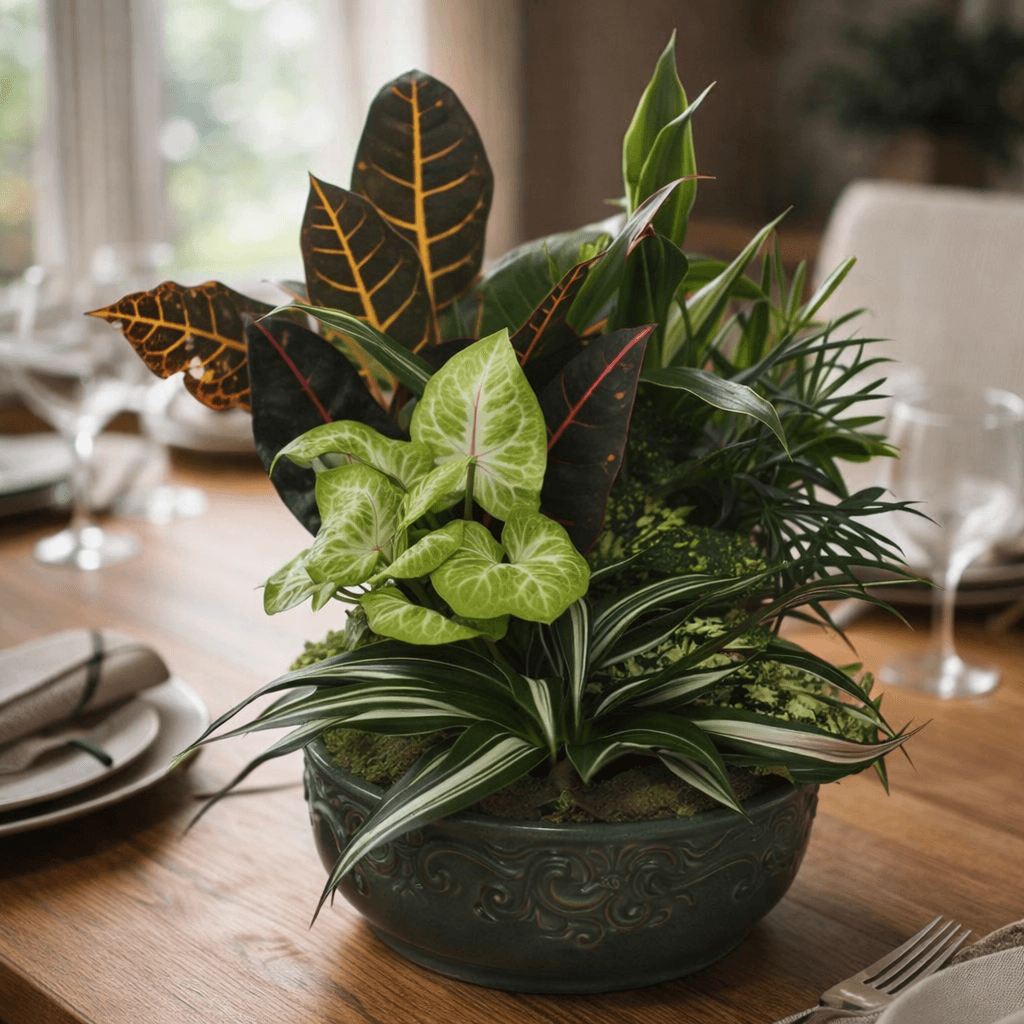
Mixed Plant Dish Garden
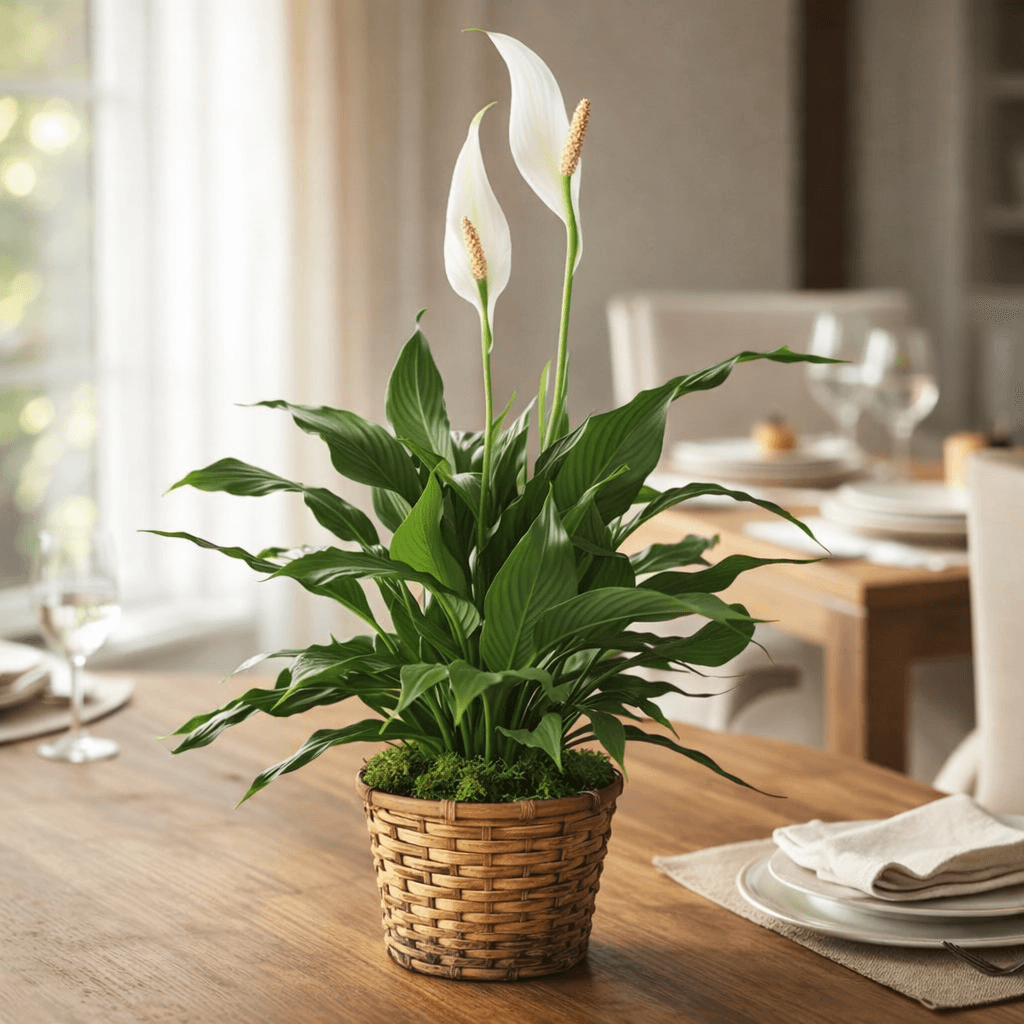
Simply Elegant Spathiphyllum
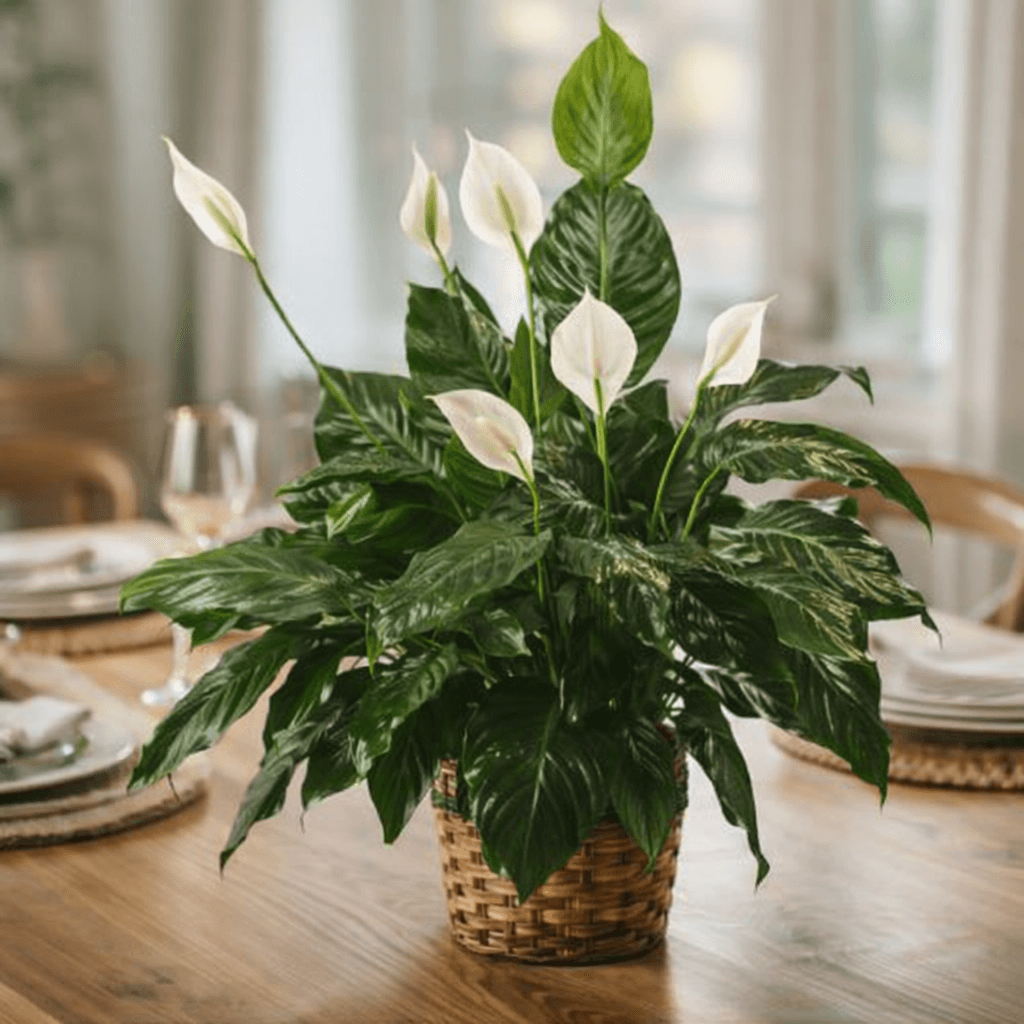
The Peace Lily

Small Garden Dish

Emerald Garden Basket
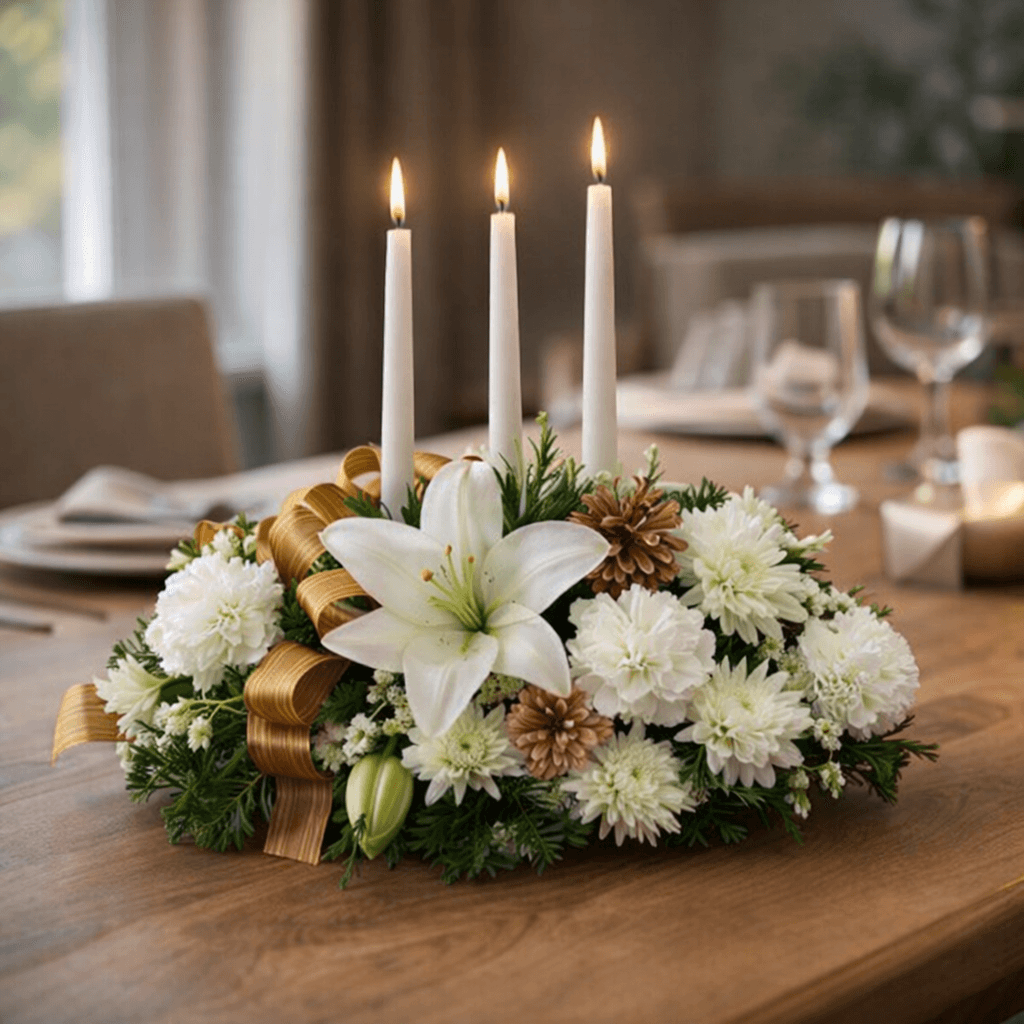
The Season's Glow Centerpiece
Keep exploring
More reading
Browse by colour
More from the blog
Flowers Safe for Cats, and the Ones to Keep Out of the House
Most bouquet flowers will at worst upset a cat's stomach. Lilies are different: a little pollen licked off a cat's fur can cause kidney failure. Here's which flowers are safe, which aren't, and how to send flowers to a home with a cat.
What Is a Flower Frog? How to Use One in a Vase
A flower frog holds stems in place without floral foam. This guide explains pin, cage and glass frogs, plus tape grids and chicken wire for low bowls and everyday vases.
How to Make a DIY Flower Vase From Things You Already Own
Turn jars, bottles, tins and even old books into usable flower vases. The key is choosing the right insert, keeping water contained, and matching the vessel to the flowers.